Reception Places Available for September 2026!
Widecombe-in-the-Moor Primary

Outdoor Learning

Published: 12 Jun '26

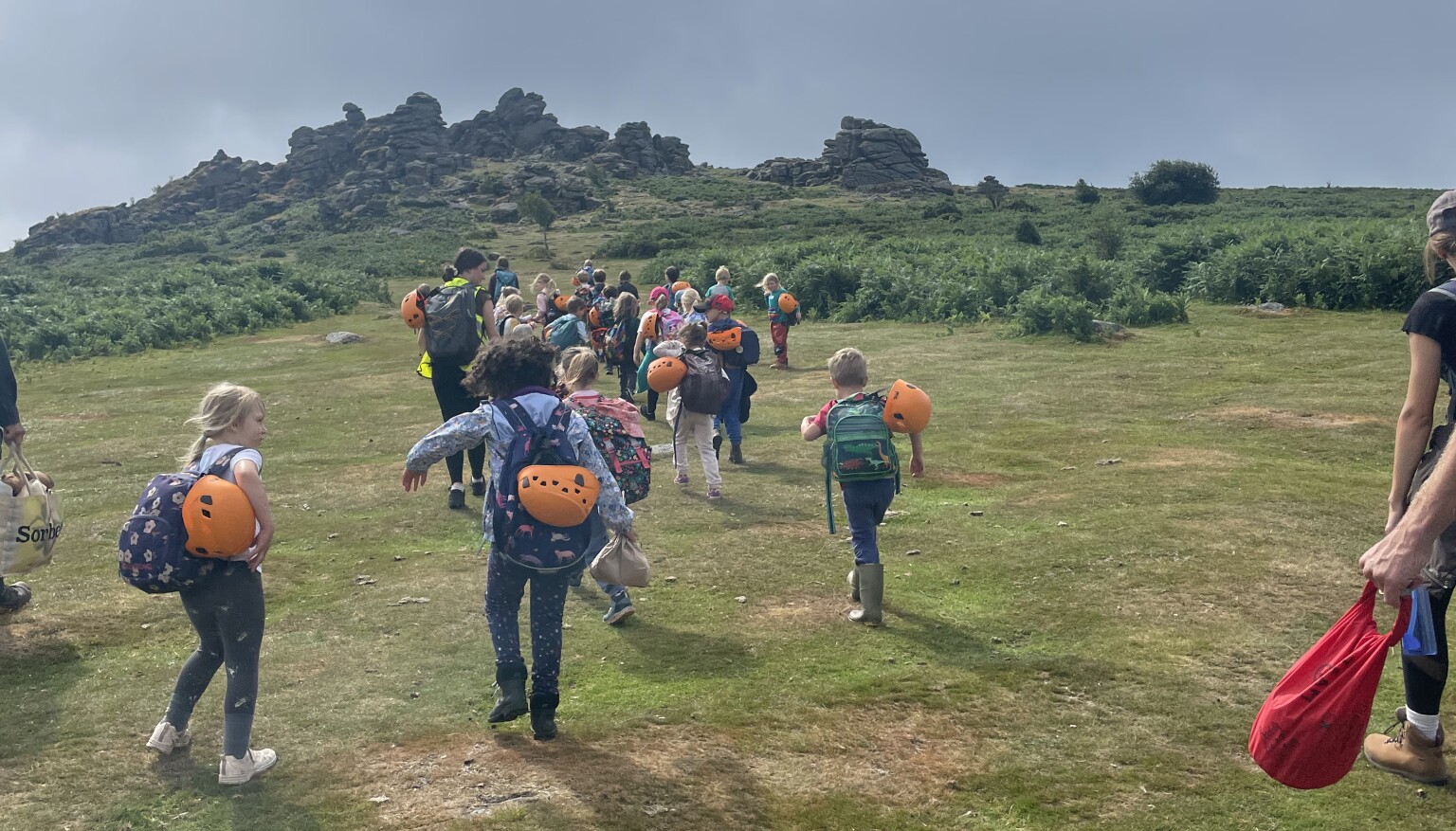
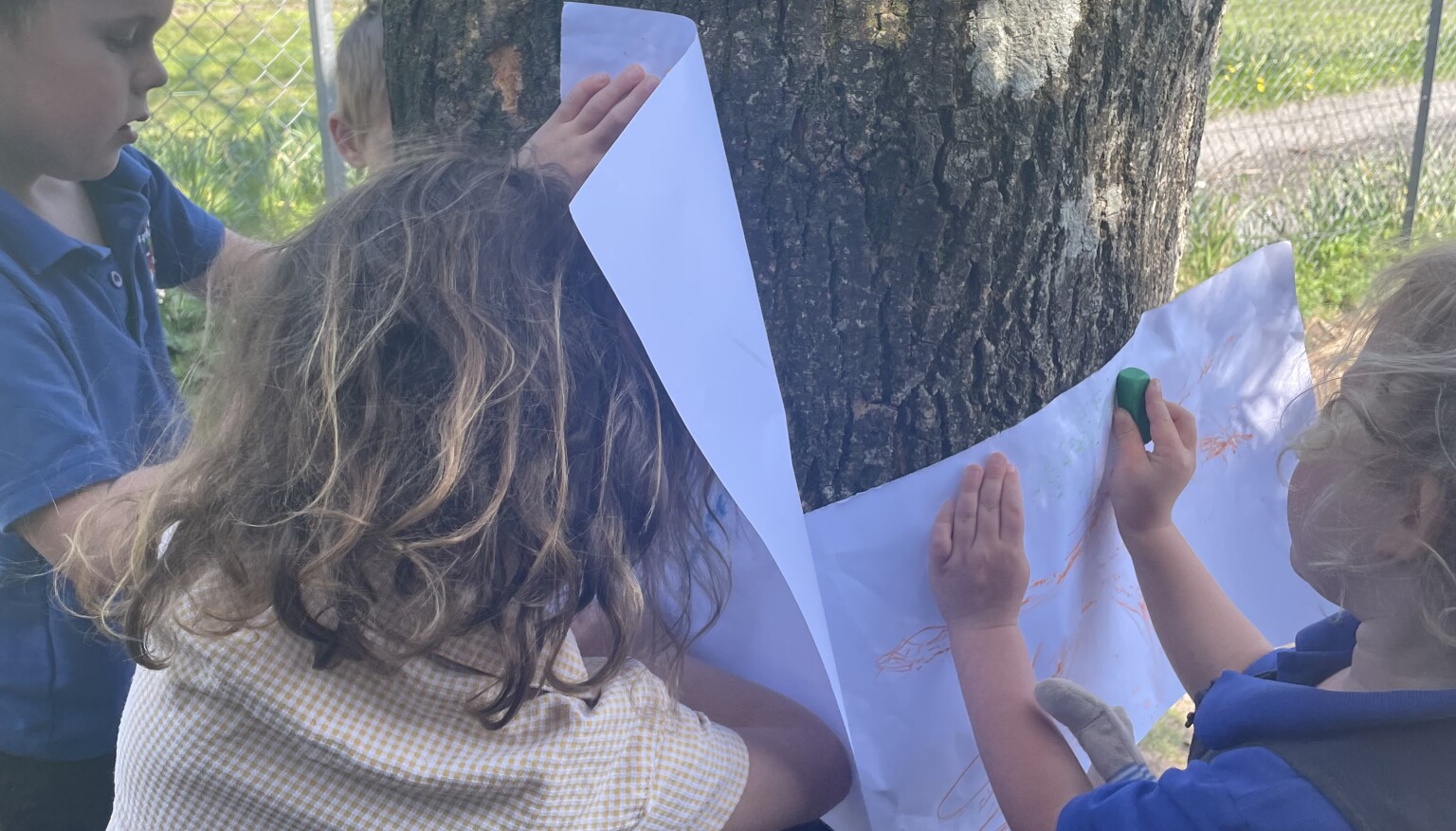
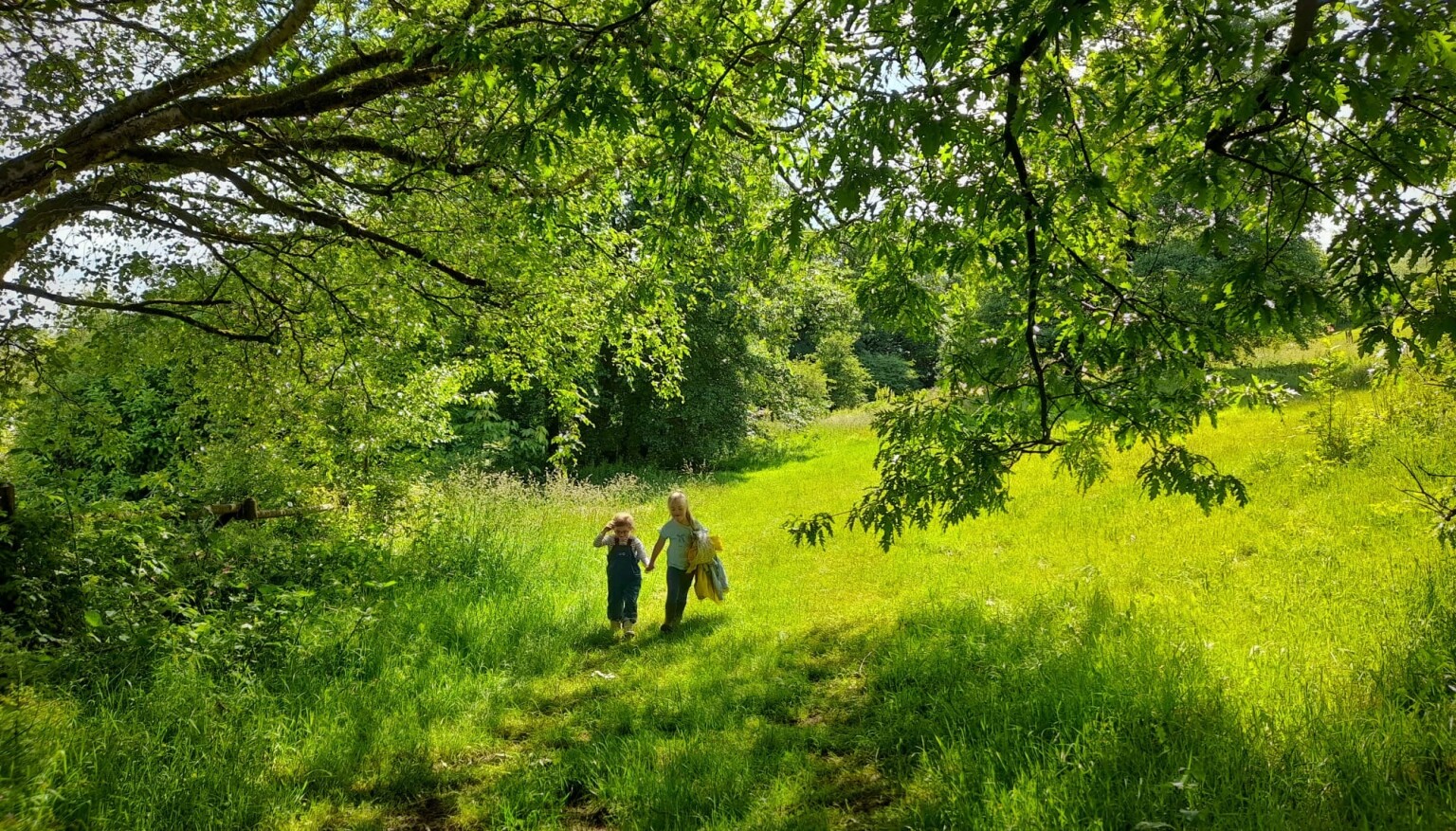
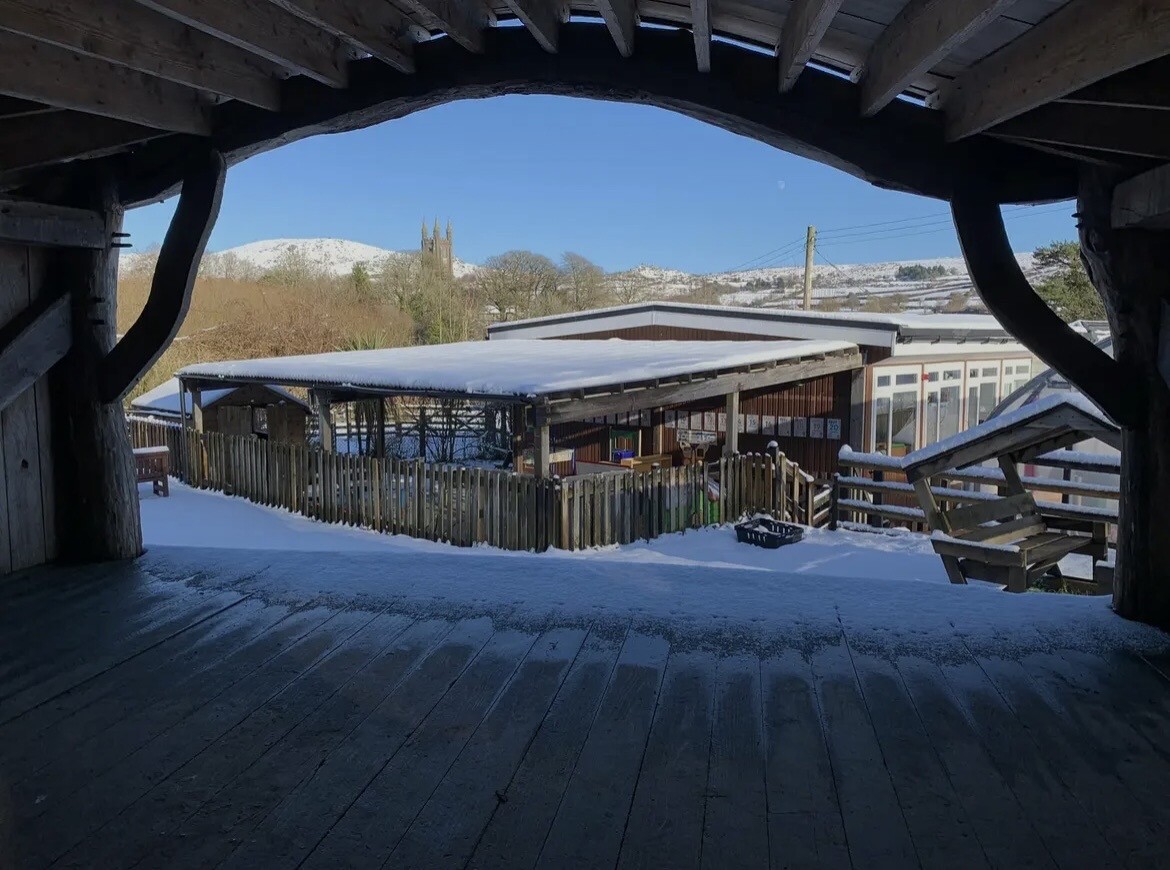
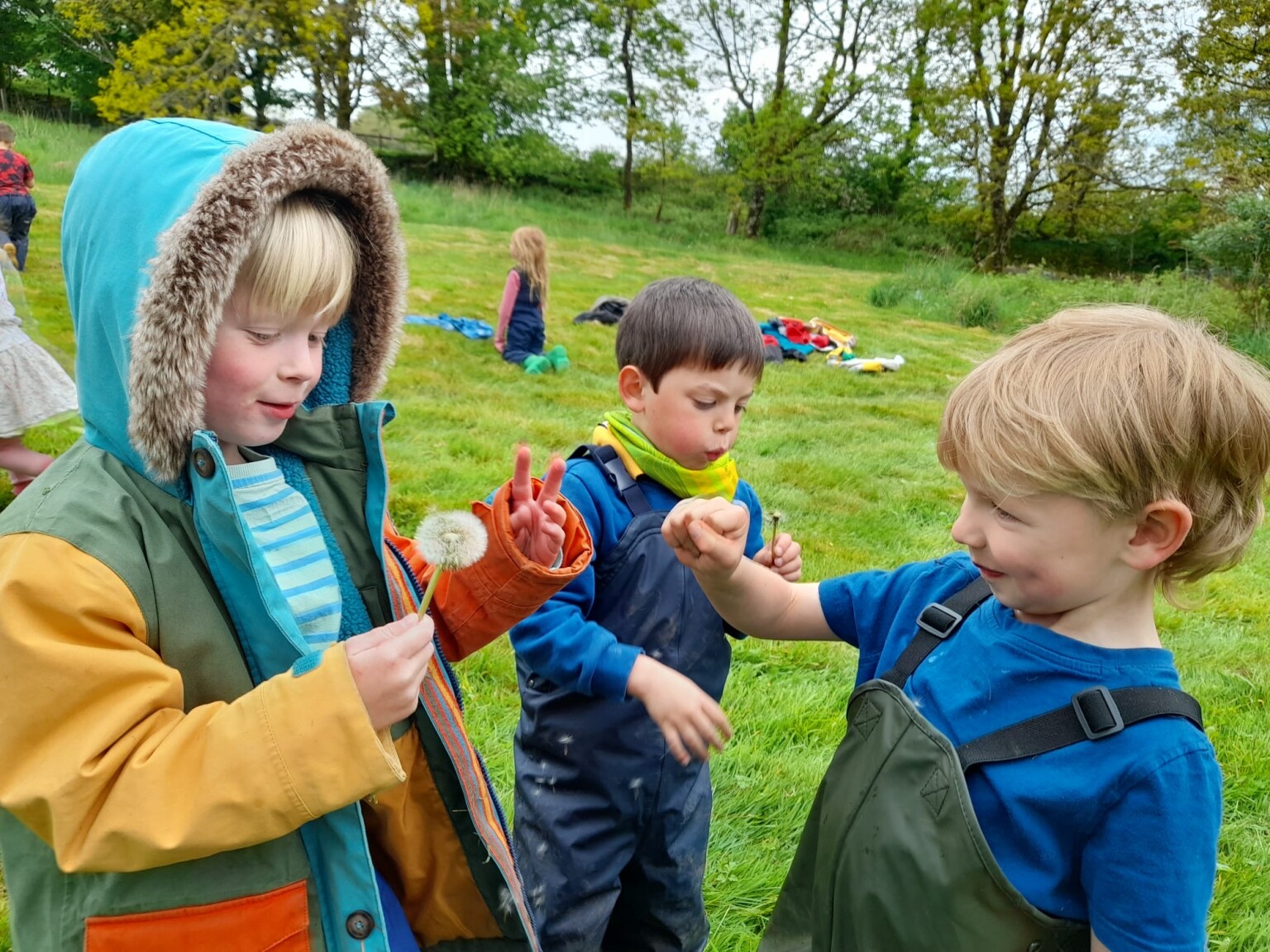
Outdoor Learning is woven into the heart of life at Widecombe-in-the-Moor. Surrounded by the wild beauty of Dartmoor National Park, our children step beyond the classroom and into a landscape that inspires curiosity, resilience and adventure. The moor becomes our extended learning environment—rich with history, wildlife, granite tors and endless opportunities to explore.

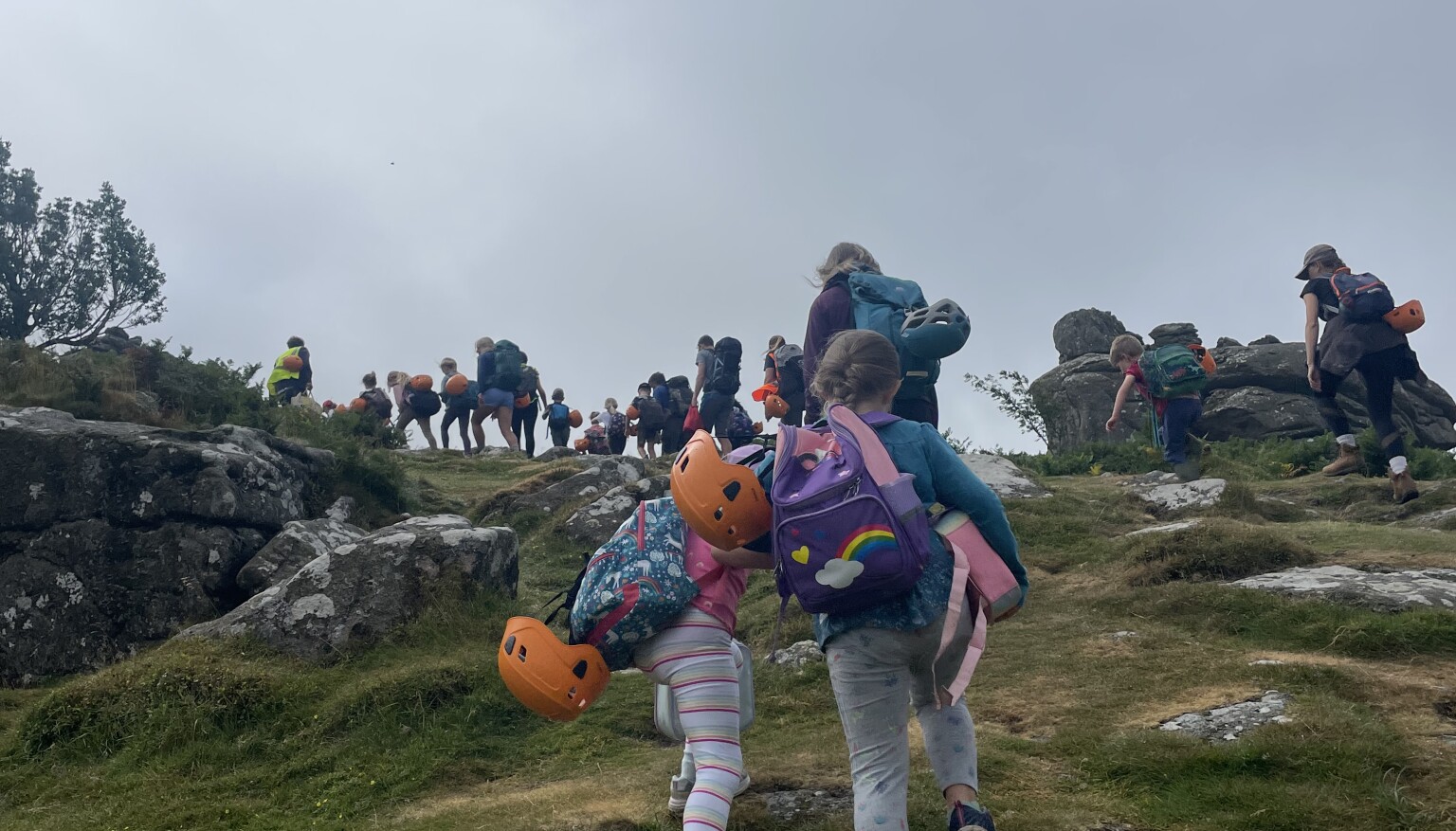
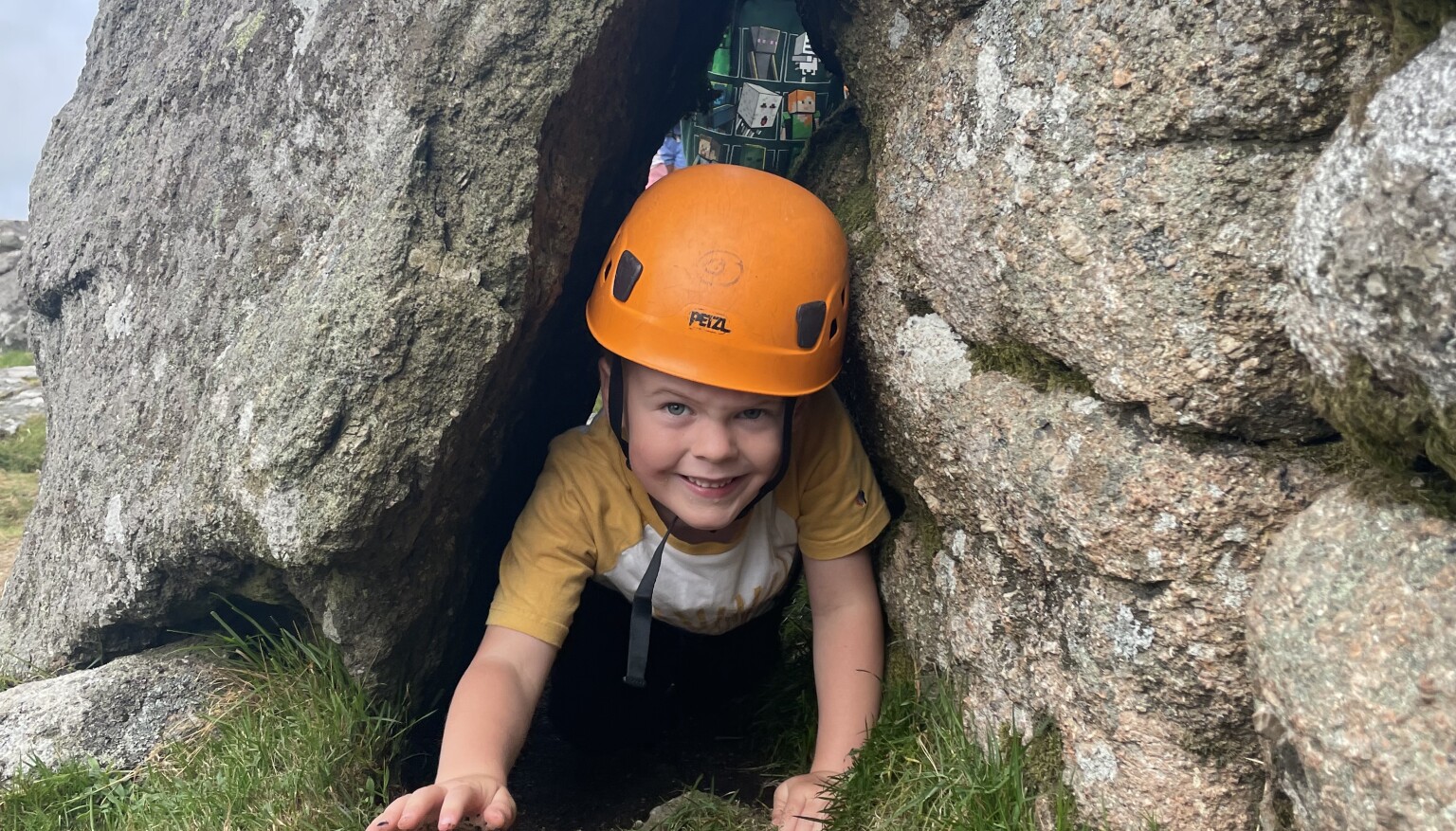
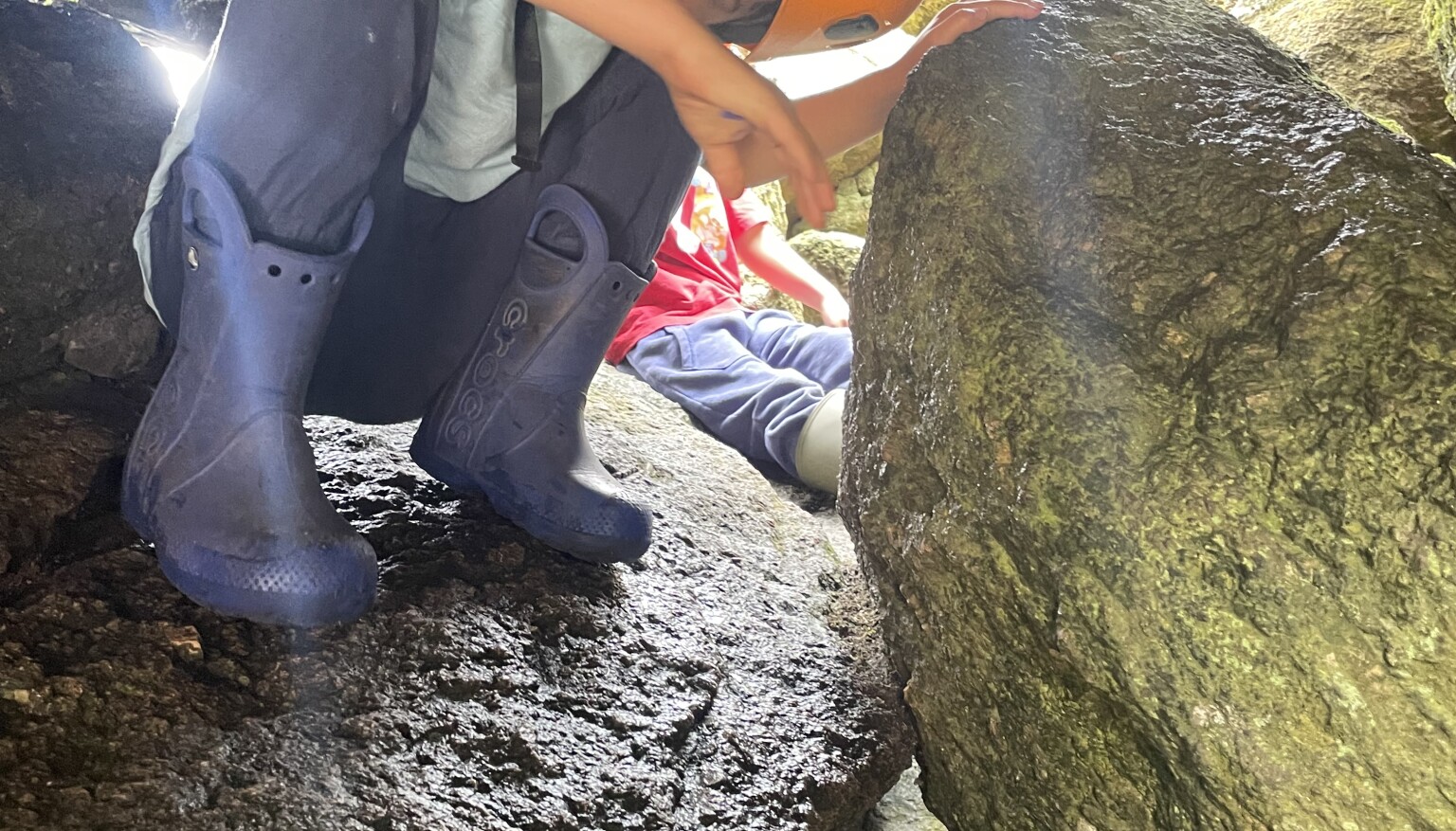
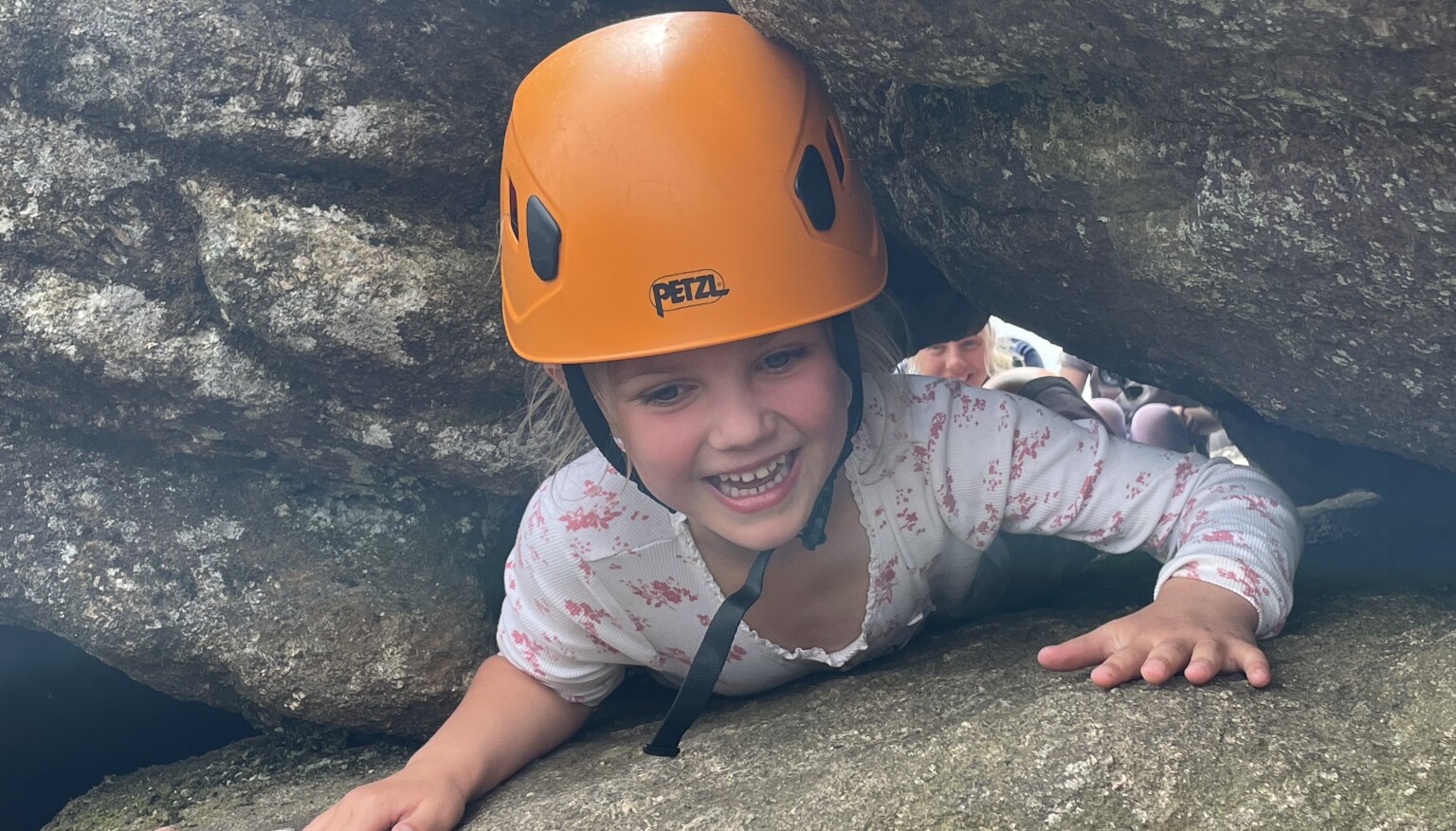
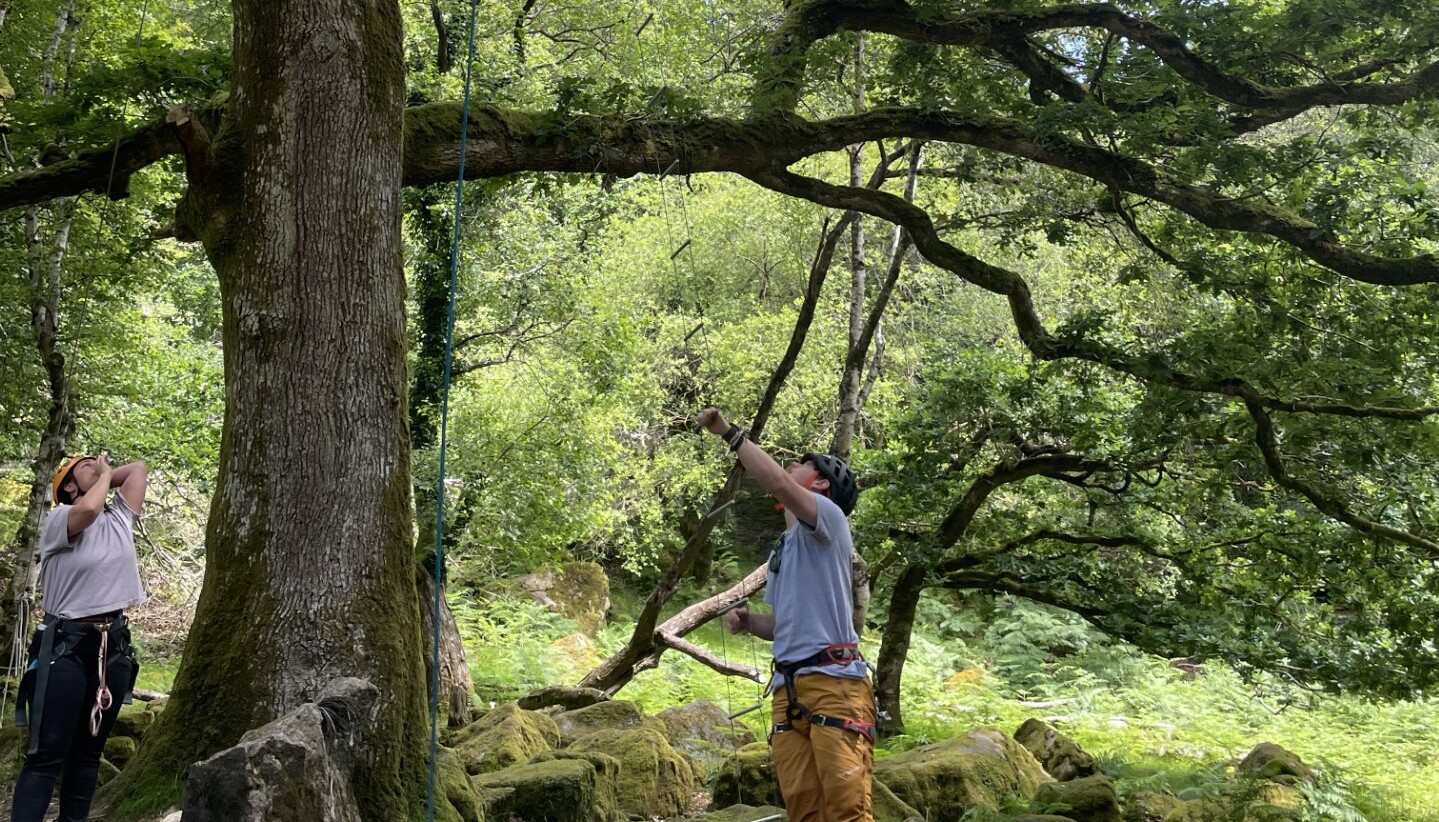
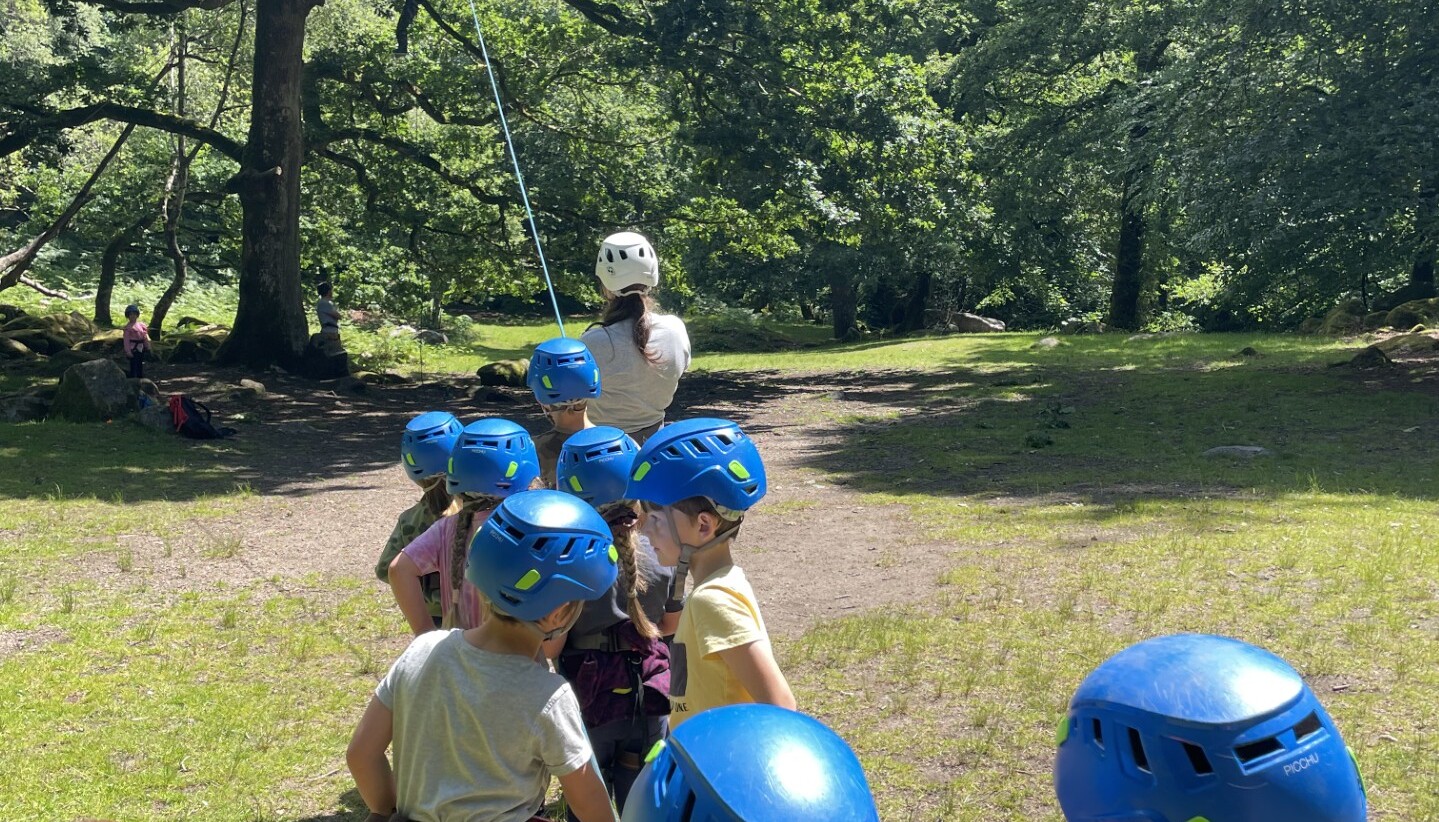
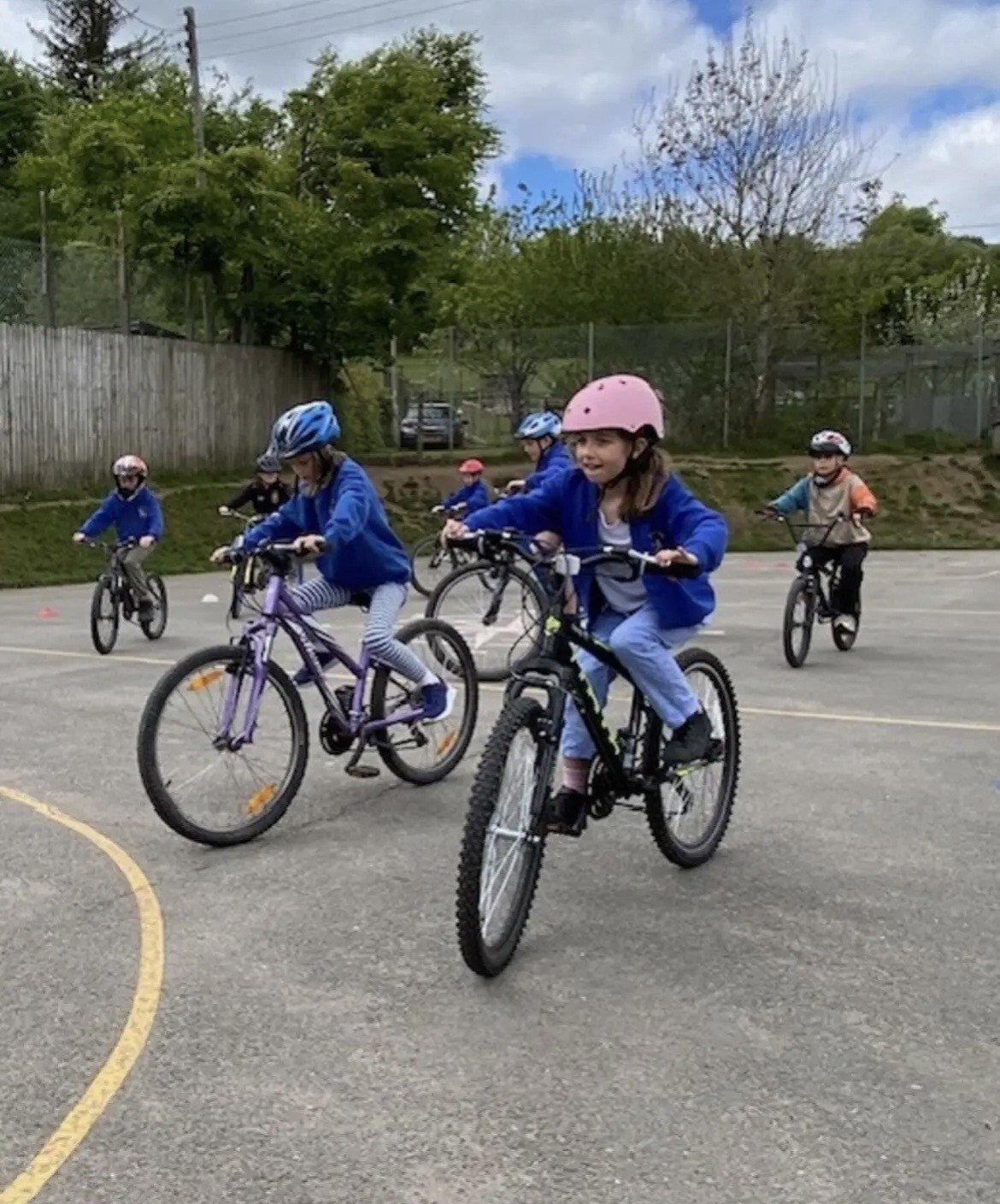
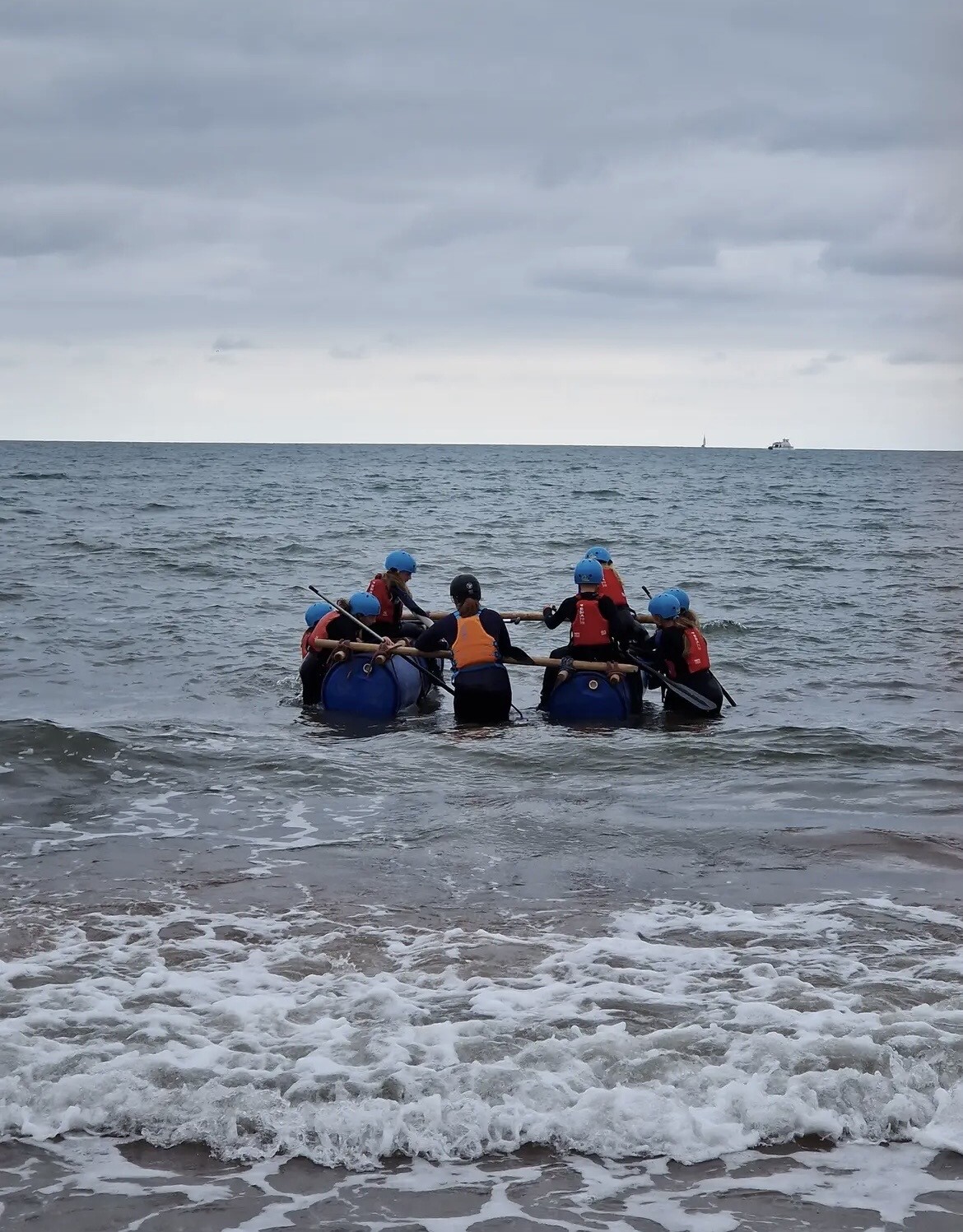
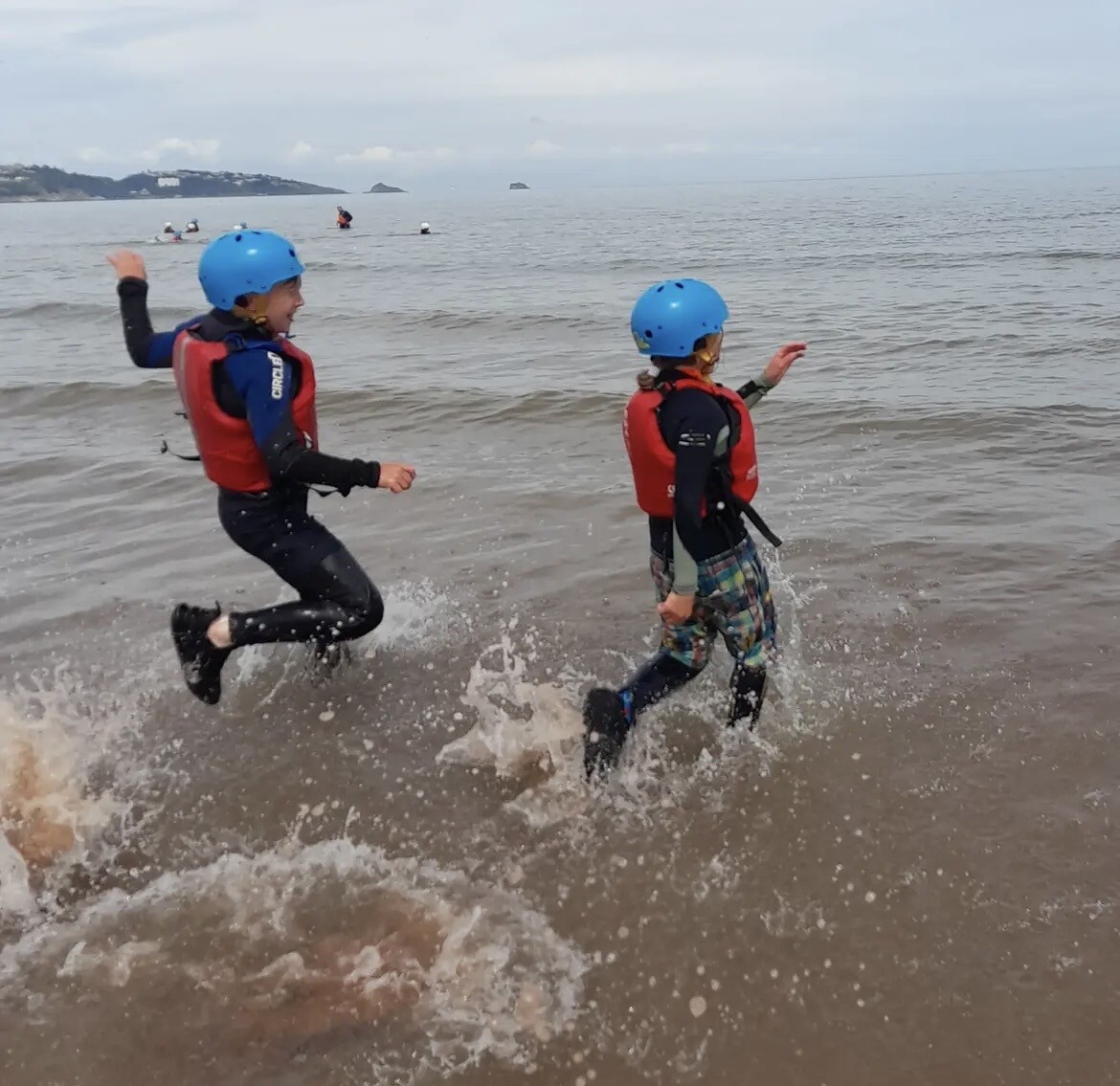
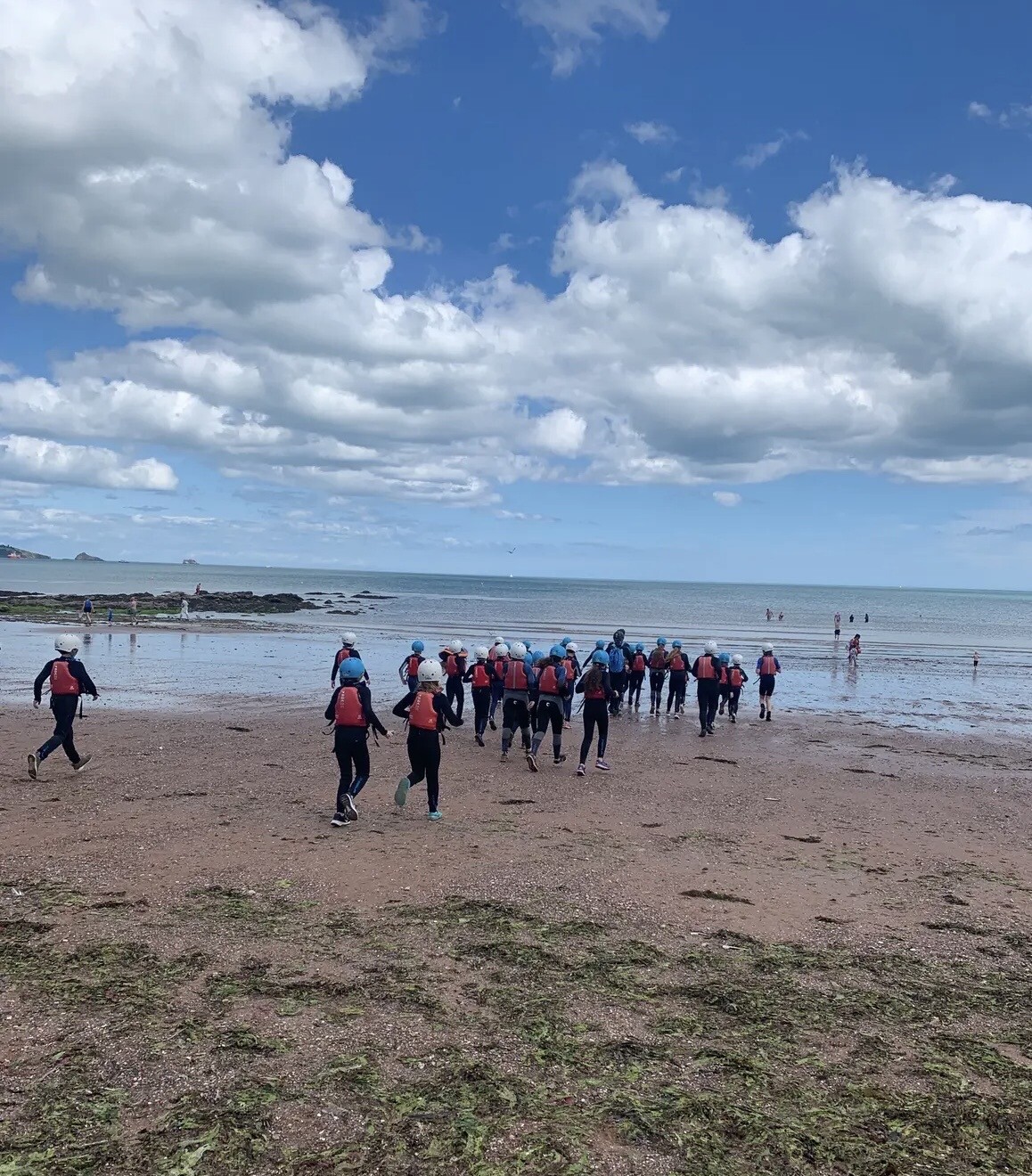
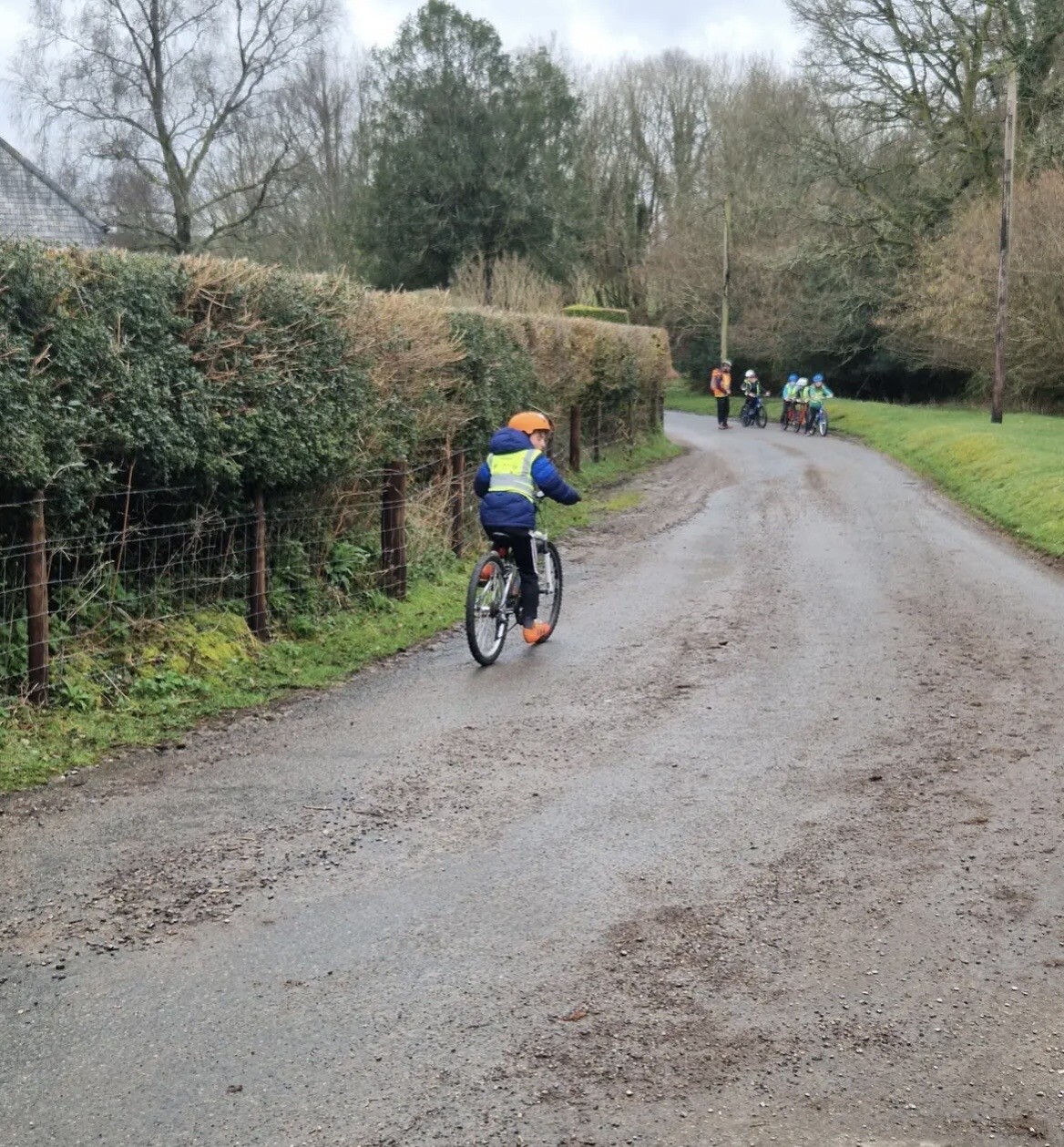
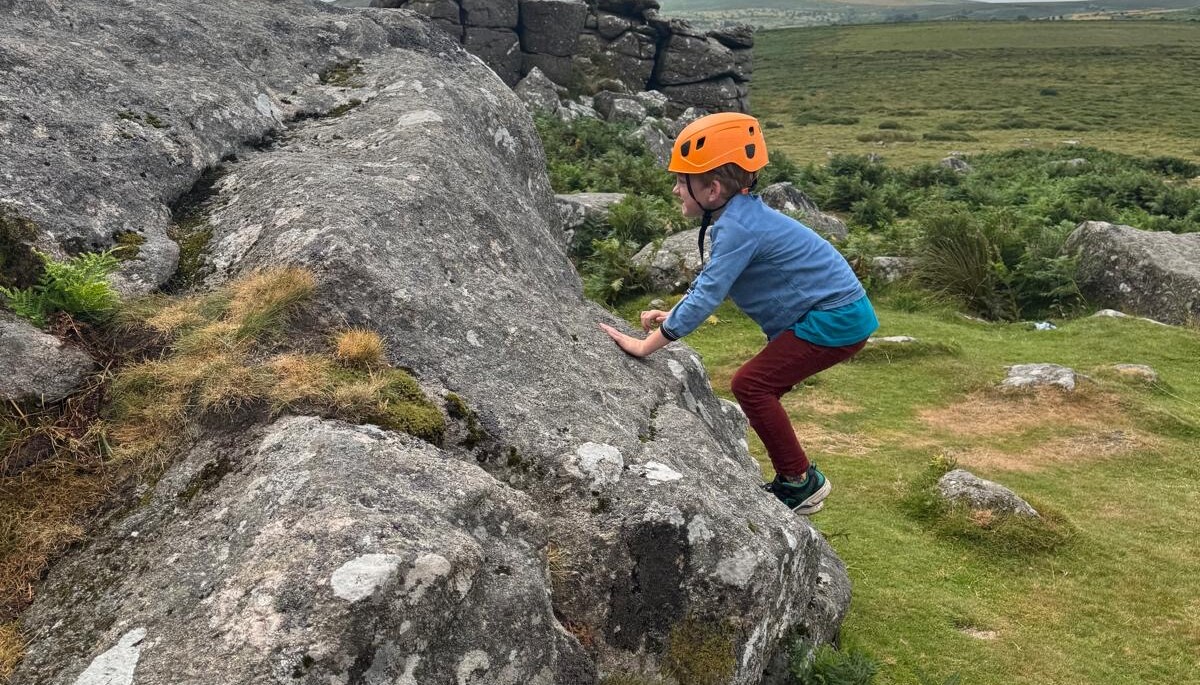
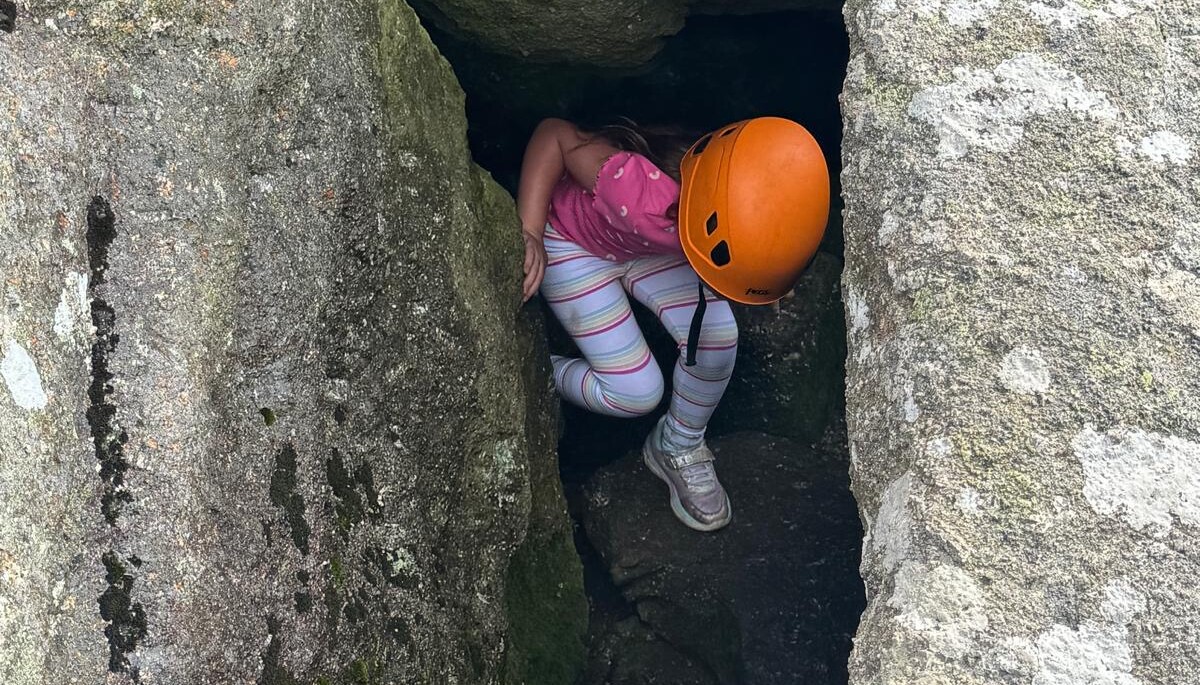
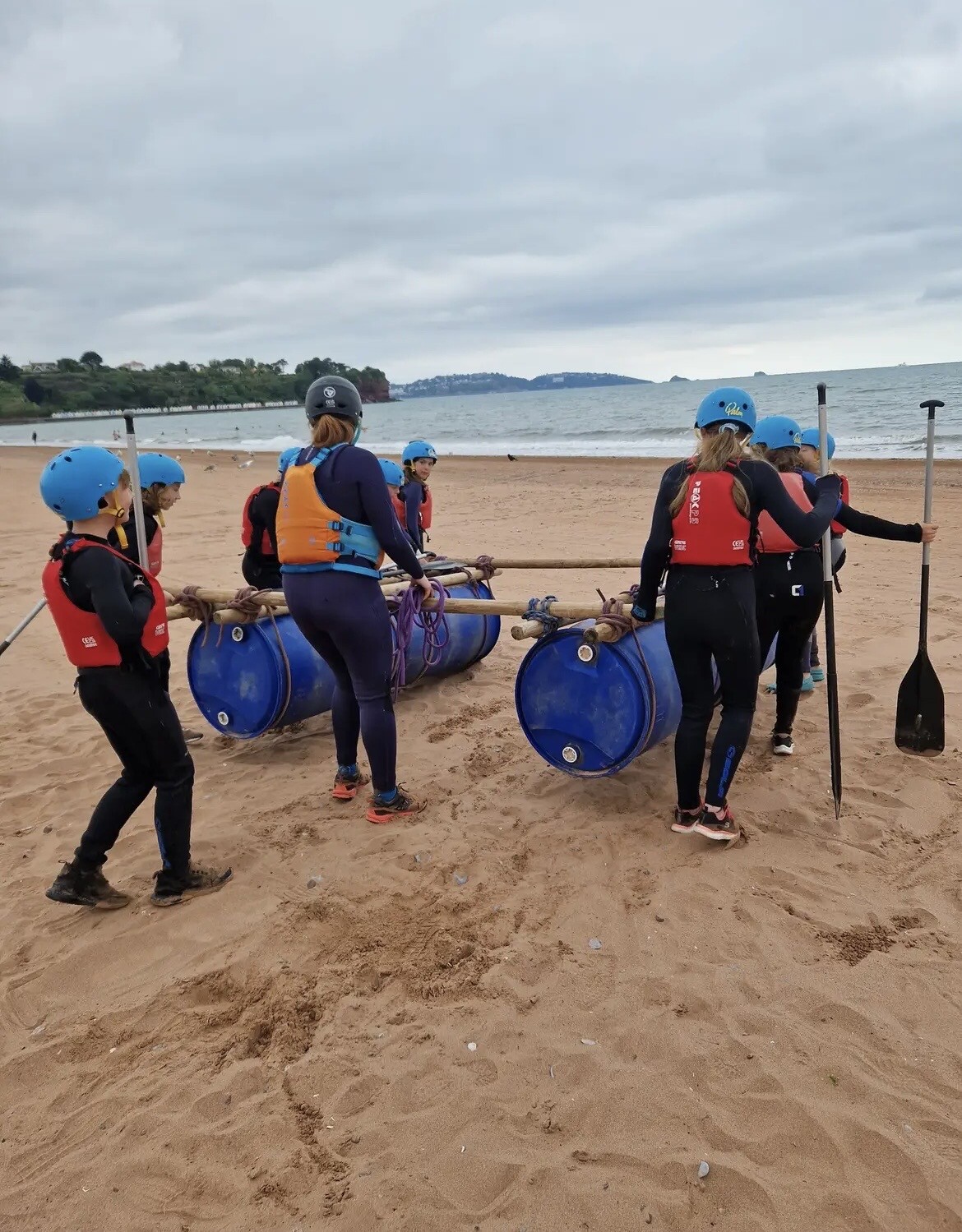
Every class takes part in outdoor and adventurous activities throughout the year, from low‑ropes challenges and climbing, weaseling on Hound Tor to coasteering along the dramatic South Devon coastline. These experiences build teamwork, confidence and problem‑solving skills in ways that only the outdoors can helping the children to develop our values of Courage, Creativity and Collaboration.

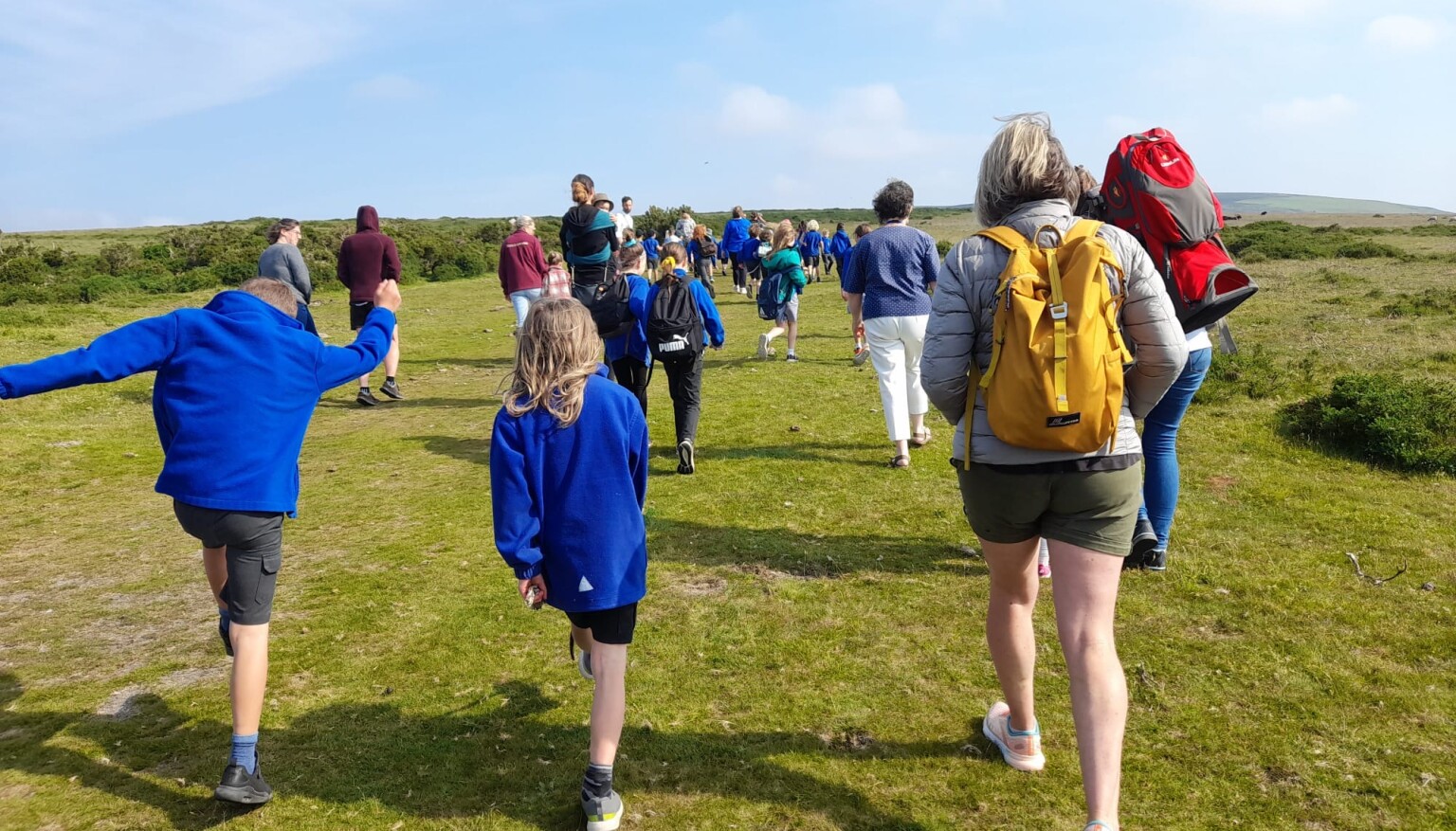
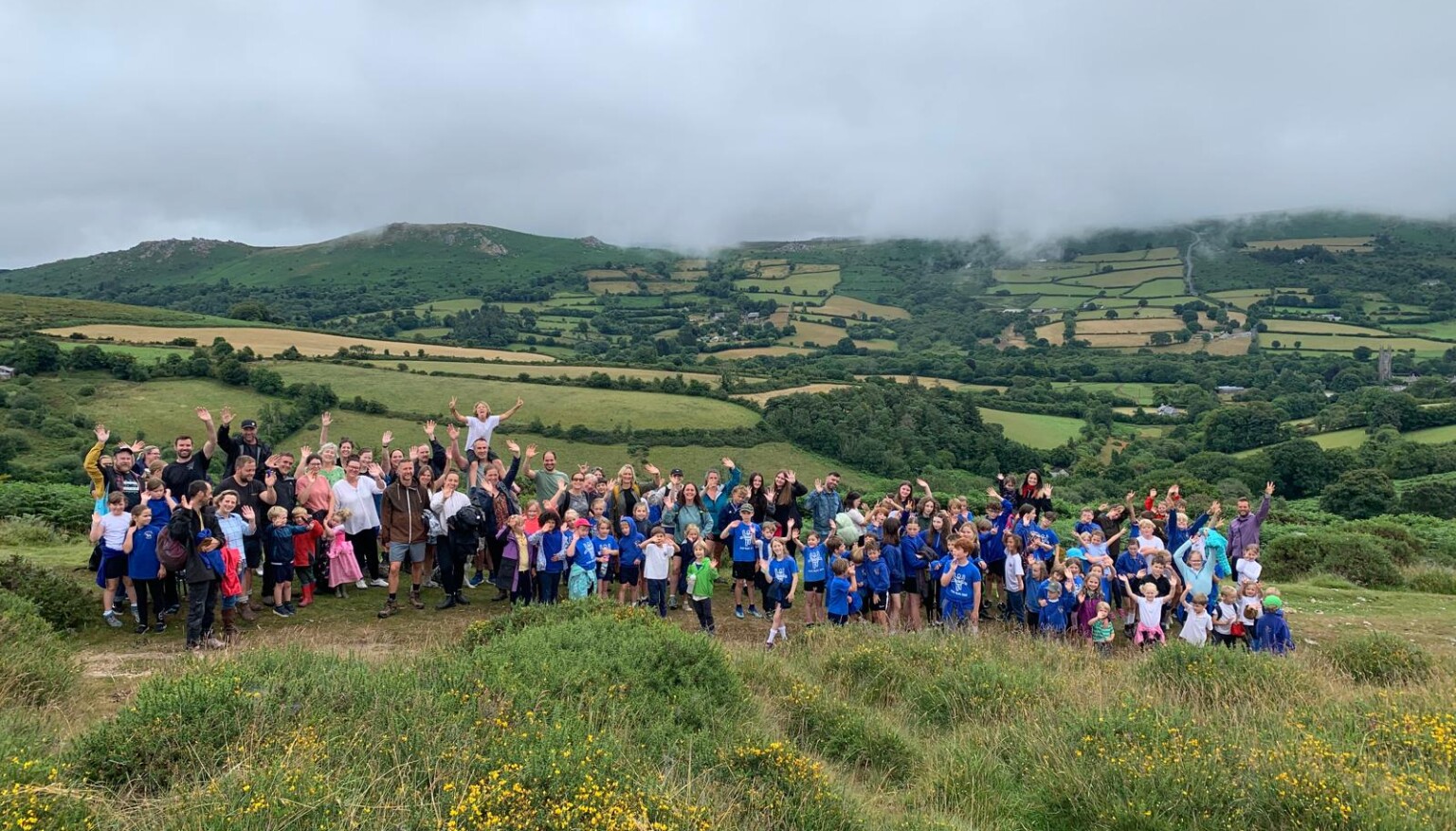
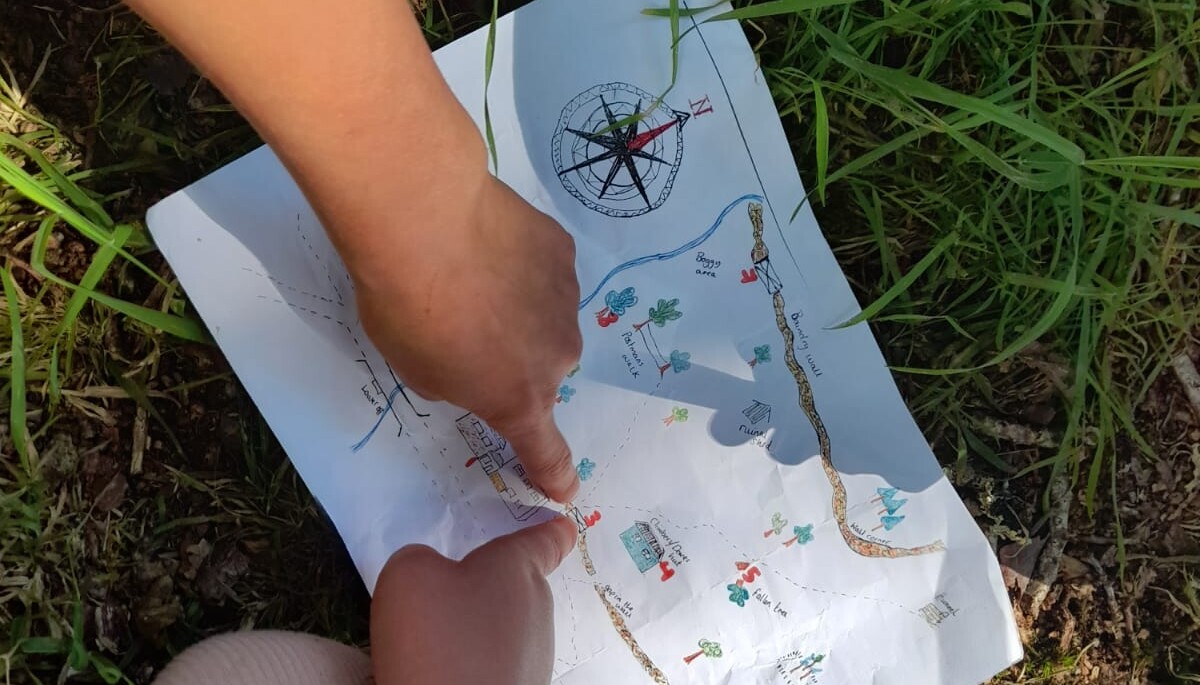
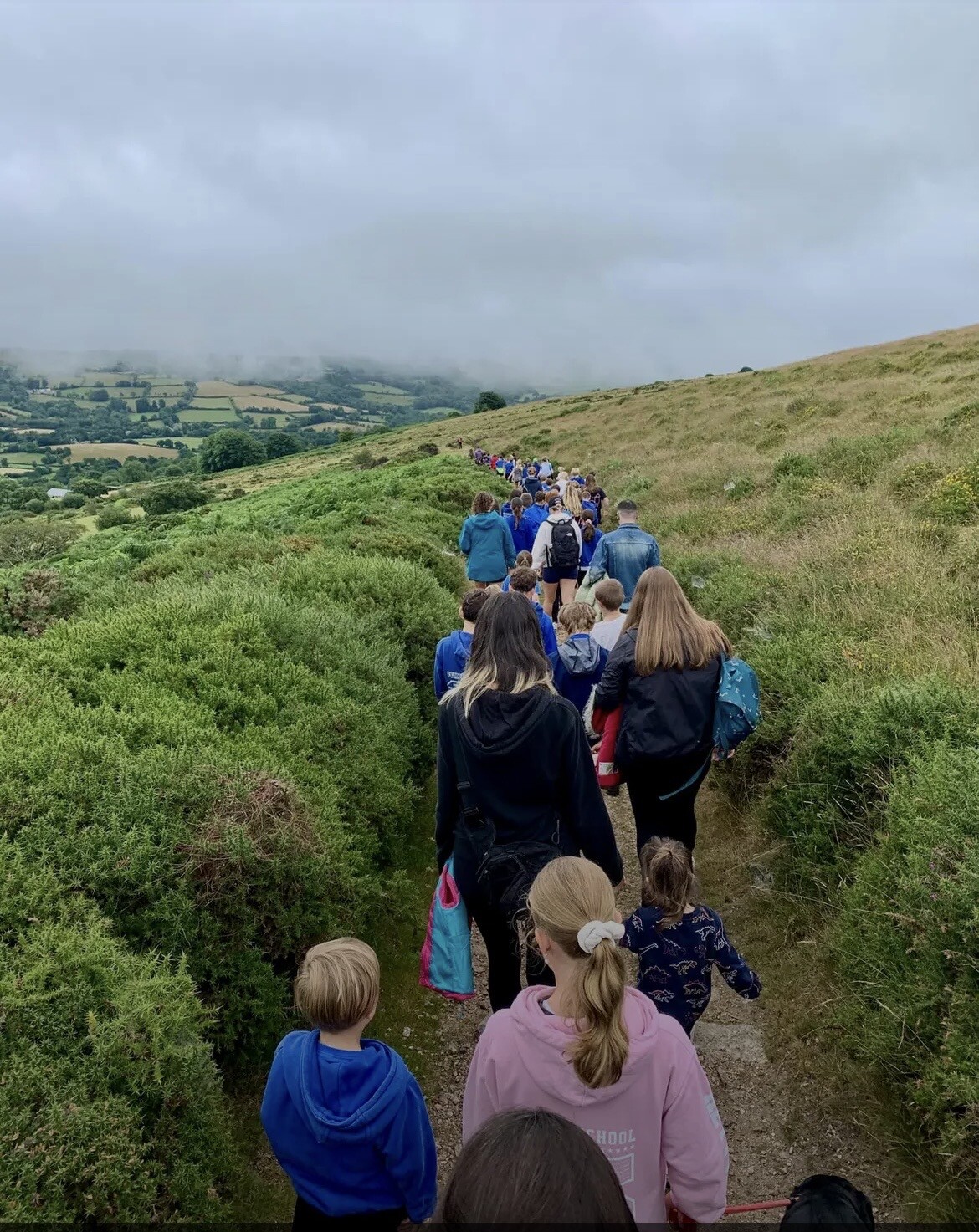
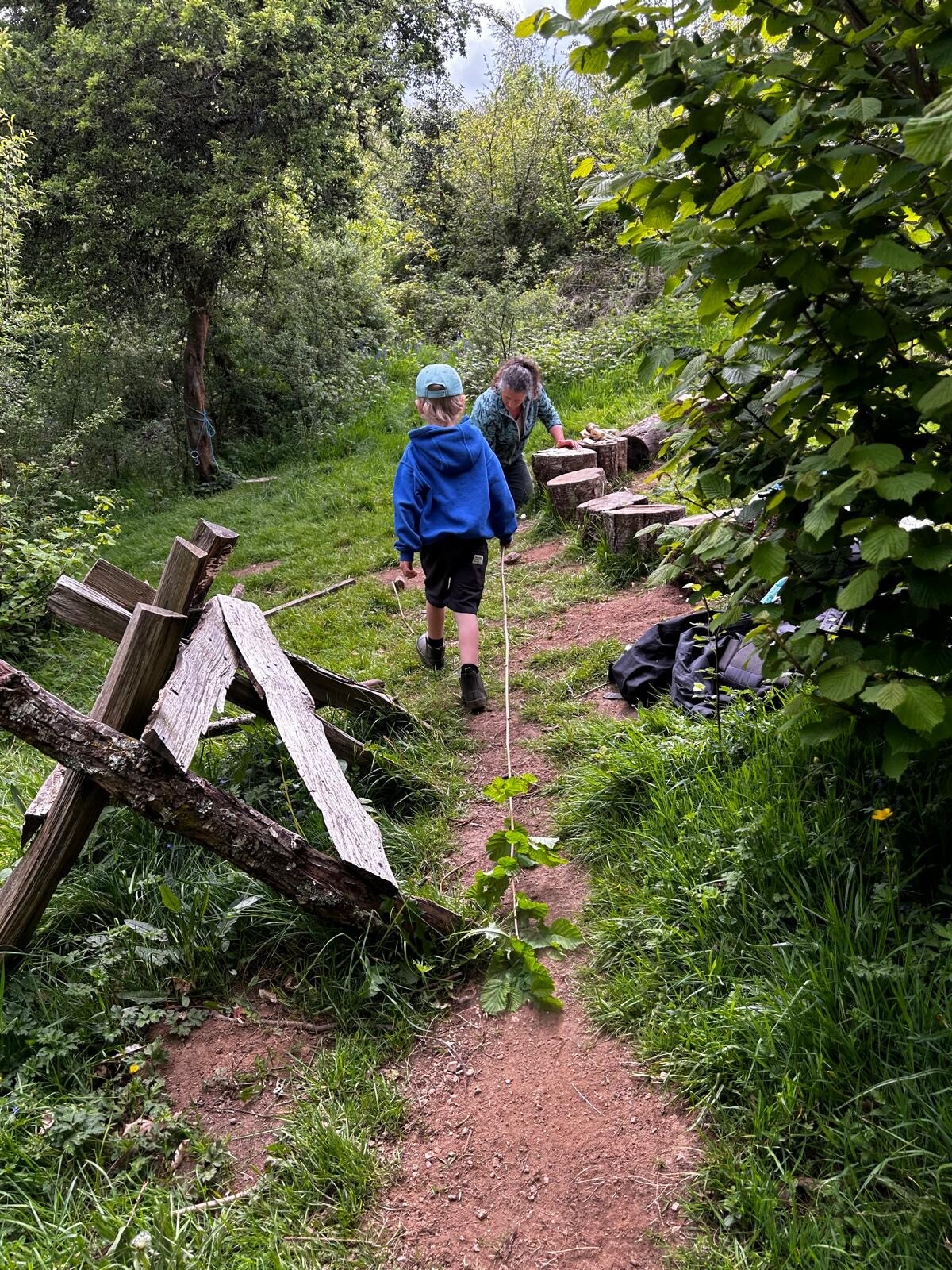
Our pupils develop orienteering skills progressively across the school, learning to navigate the school site before taking it onto Dartmoor. One of the highlights of the year is our annual Walk to School across Dartmoor, a cherished tradition that brings the whole community together and celebrates our unique setting.

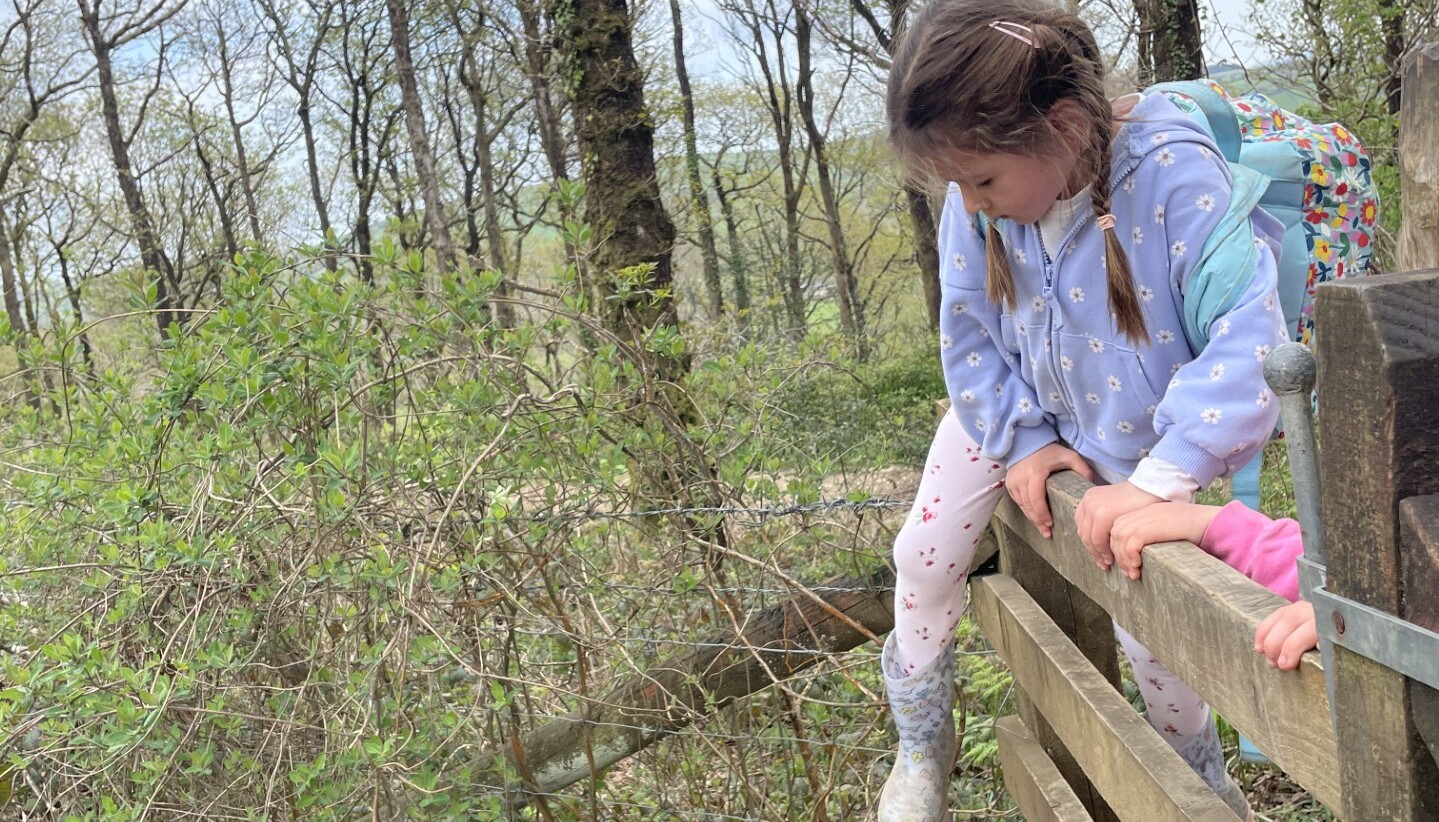
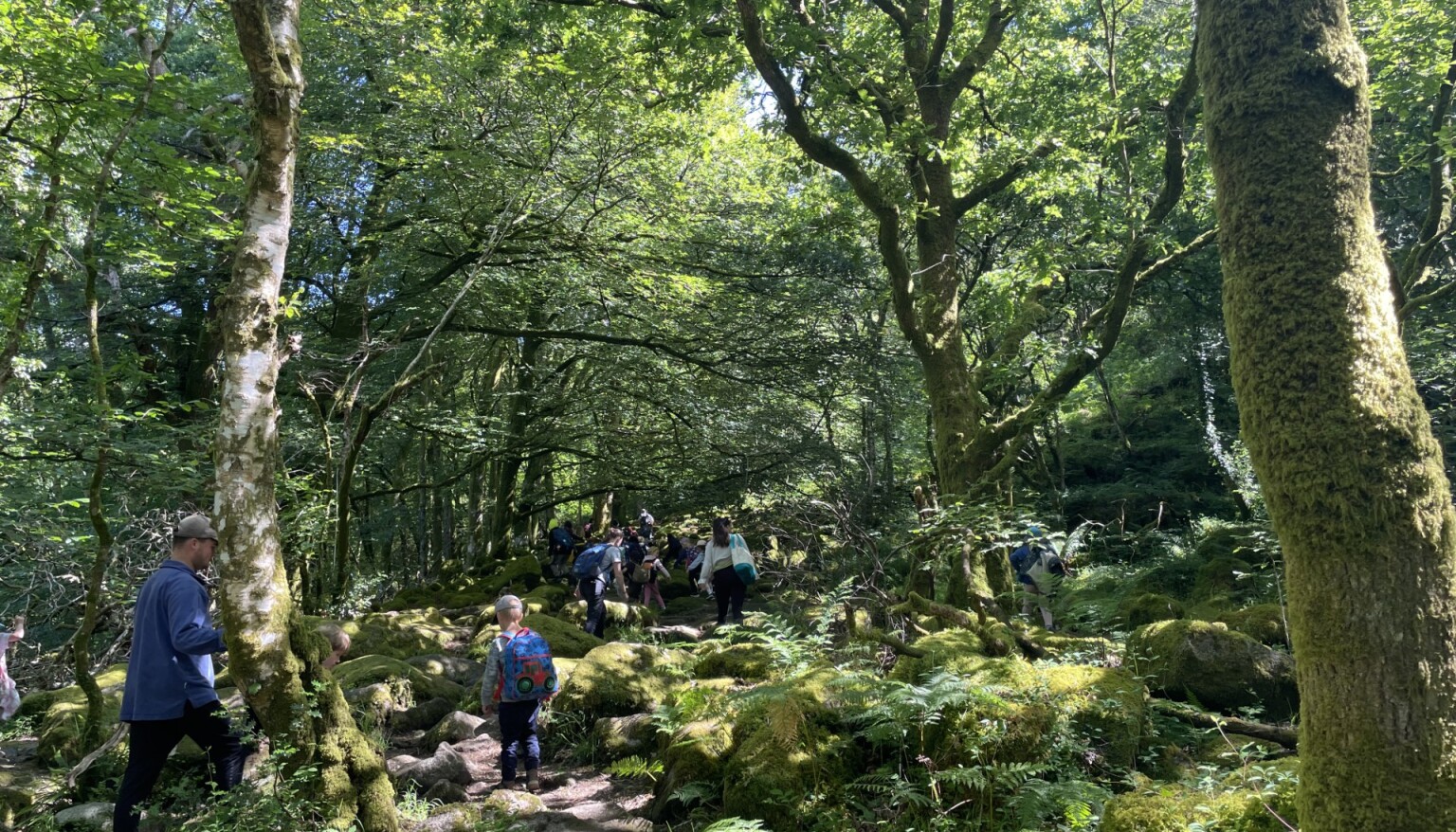
We make full use of local opportunities, including regular trips to areas of Dartmoor, where children take part in high‑quality outdoor education. Whether exploring ancient woodland, studying river habitats, or taking on new physical challenges, every experience enriches learning and deepens our connection to the natural world.

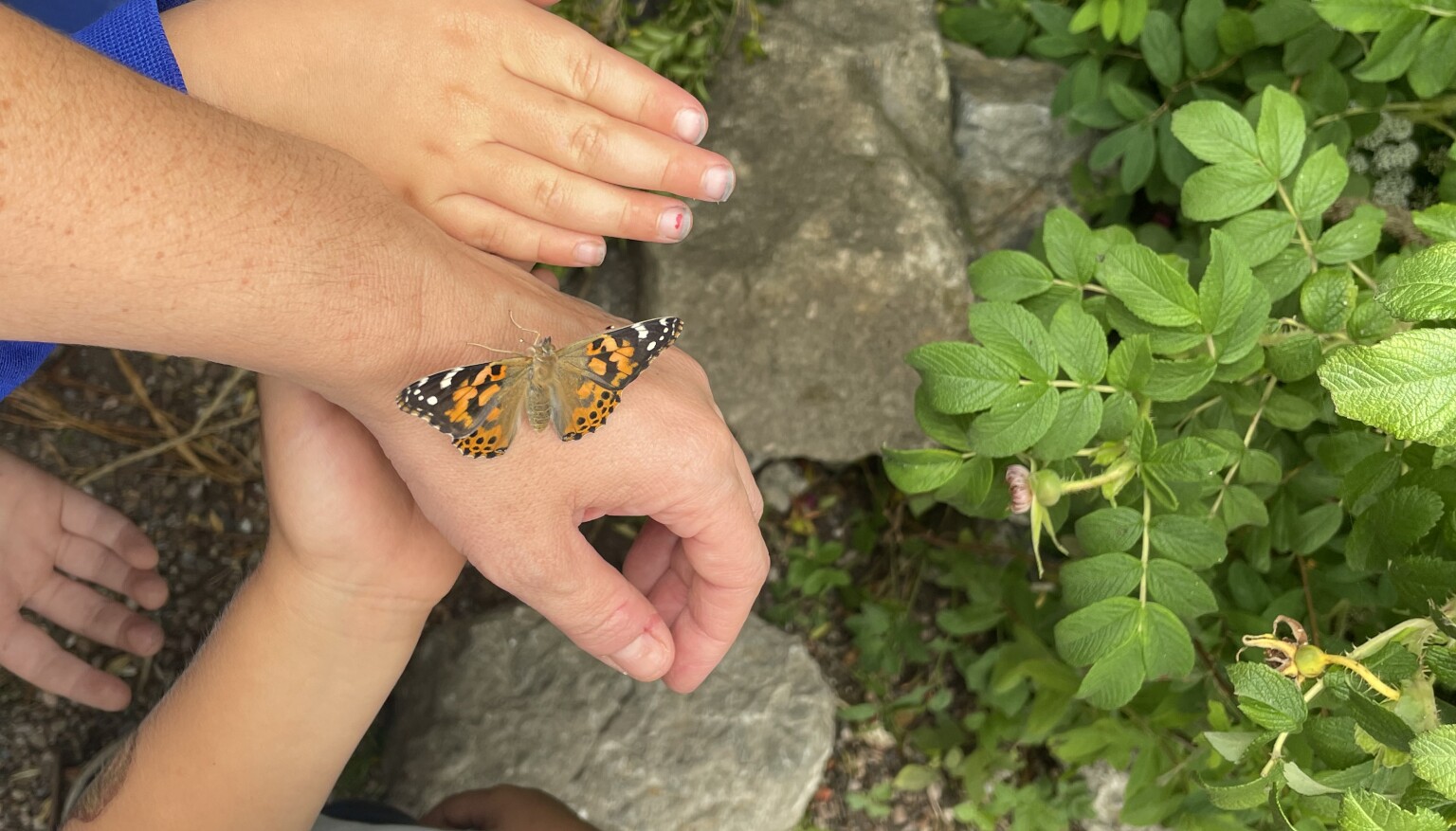
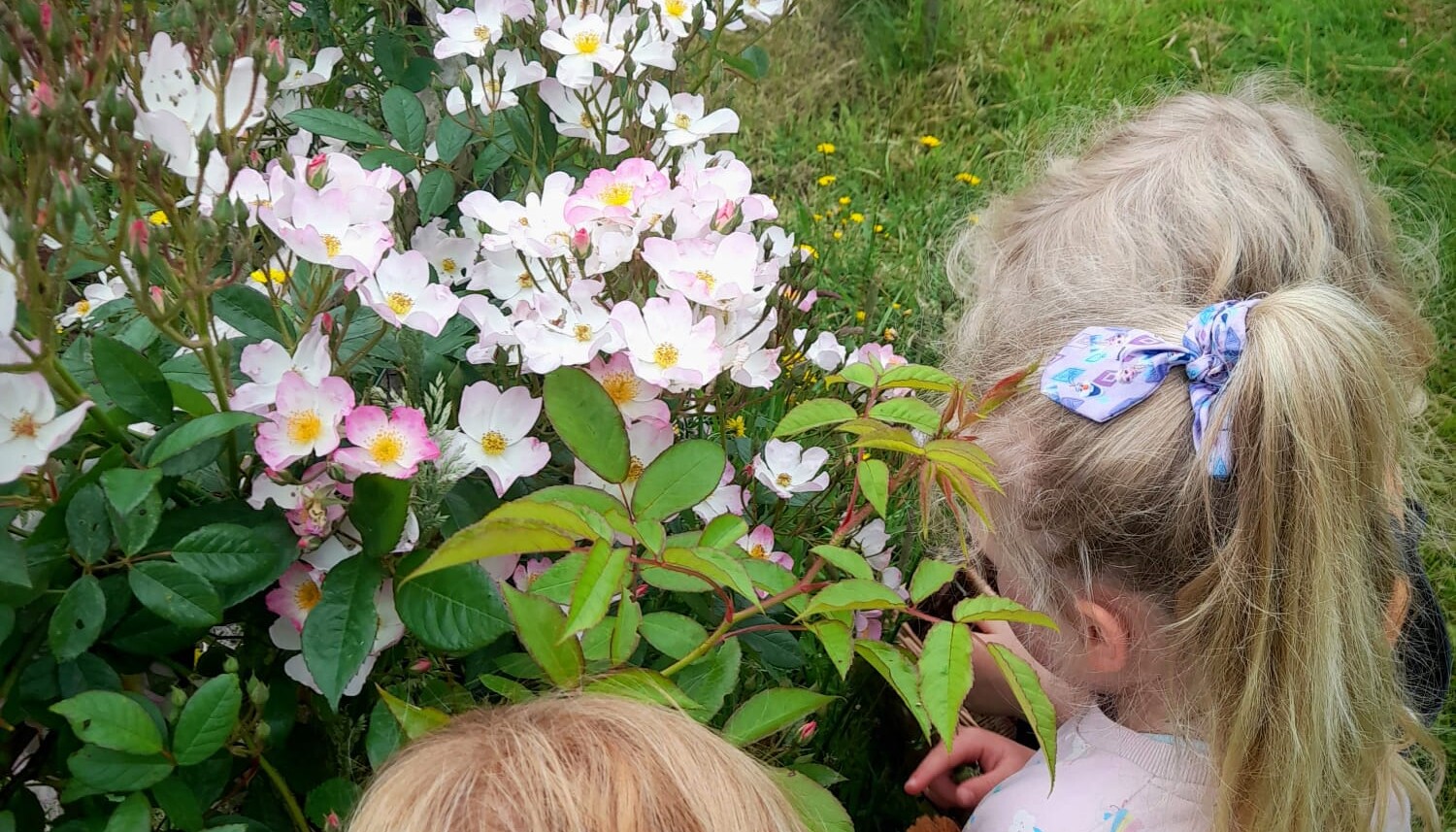
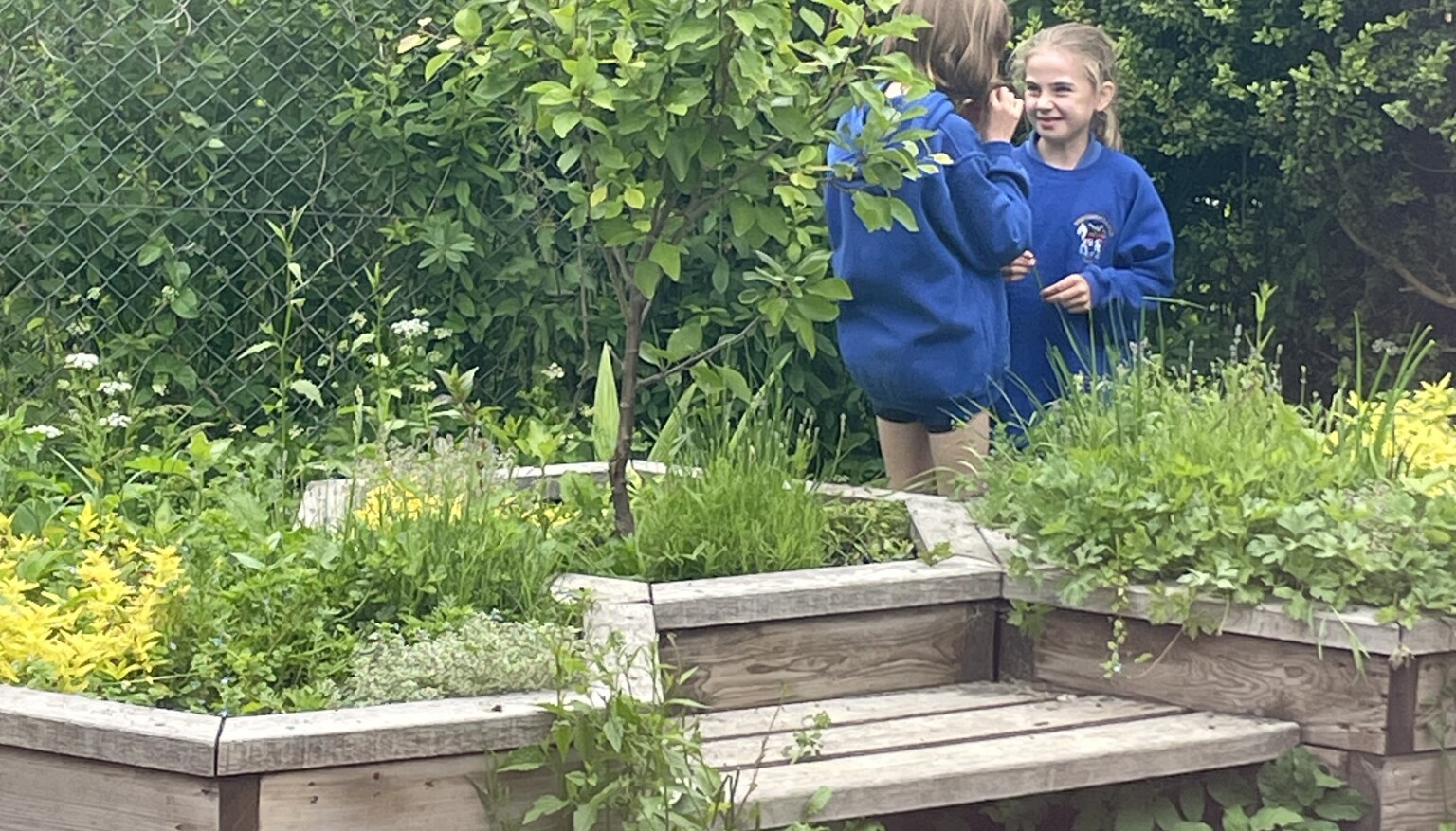
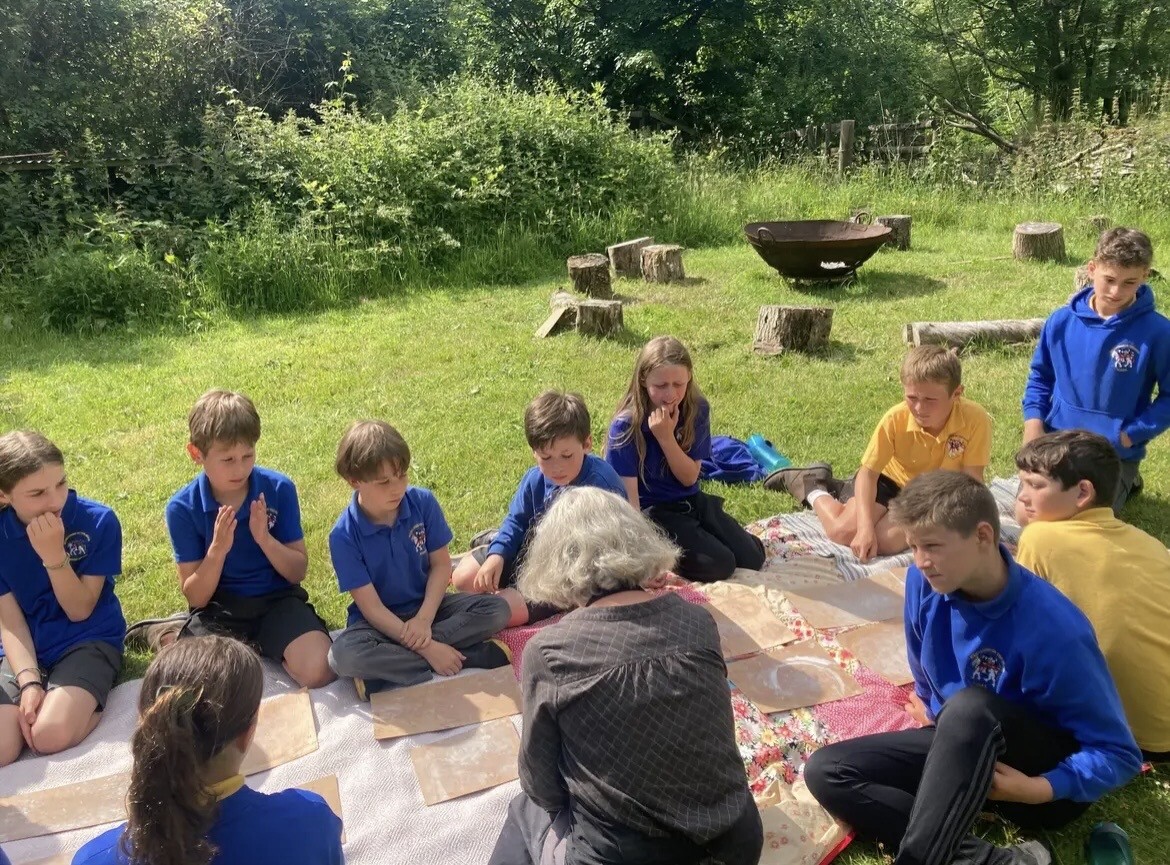
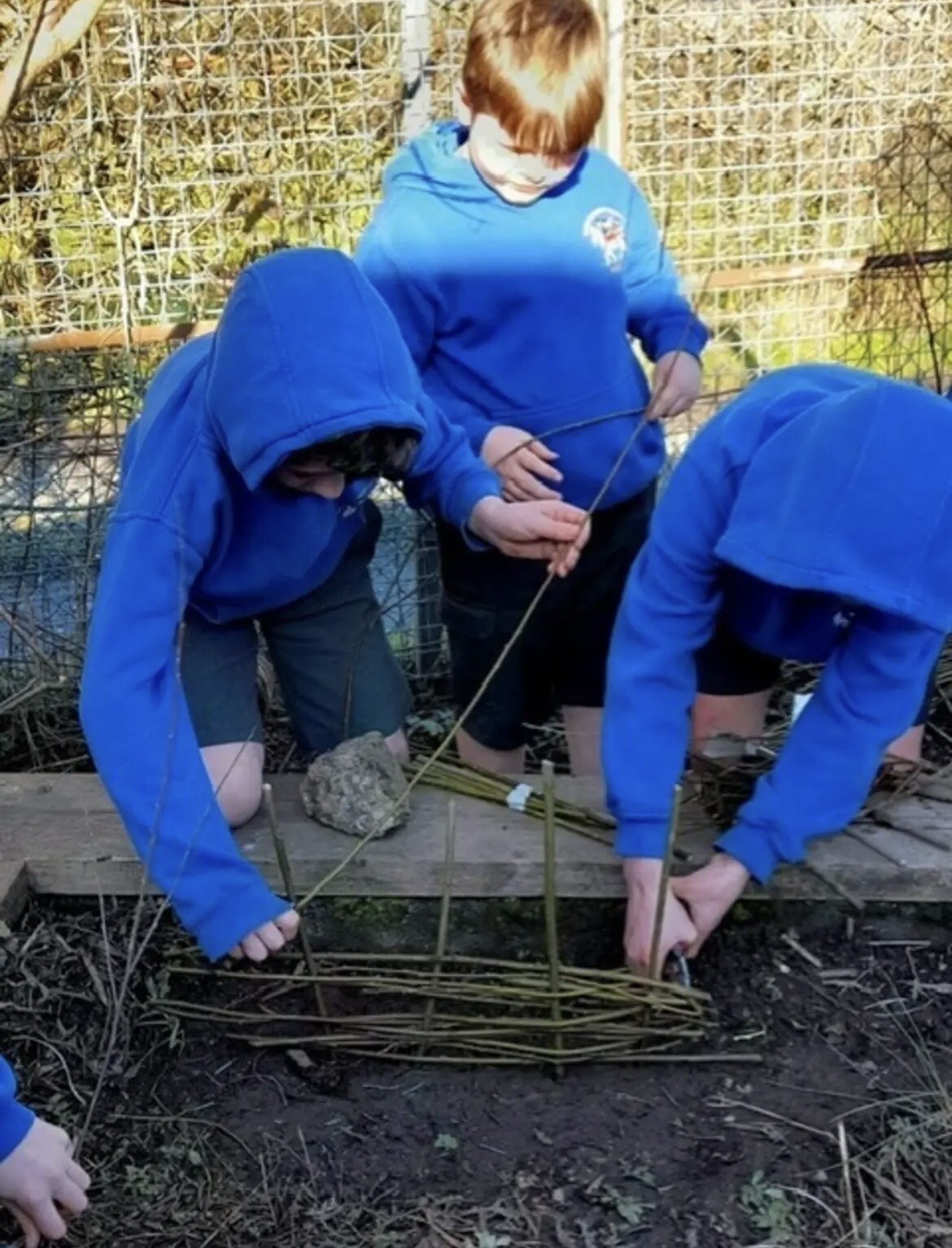
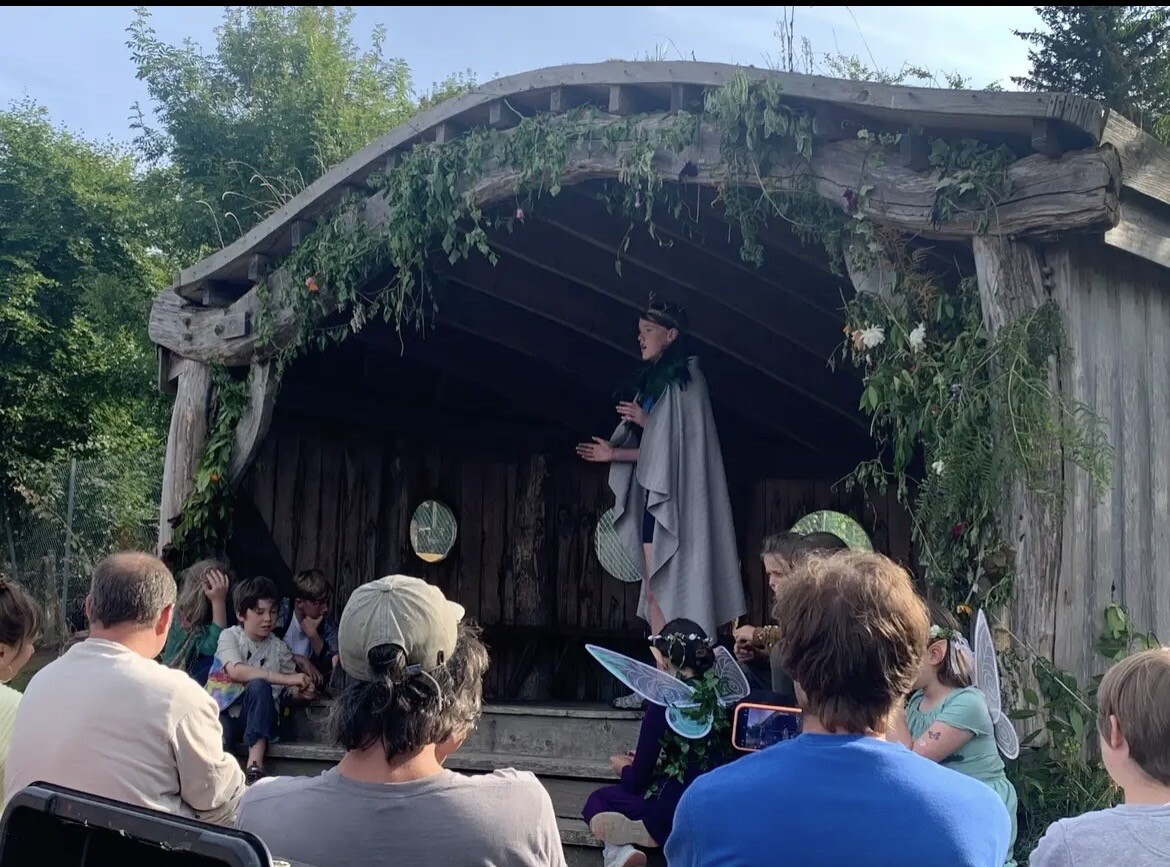
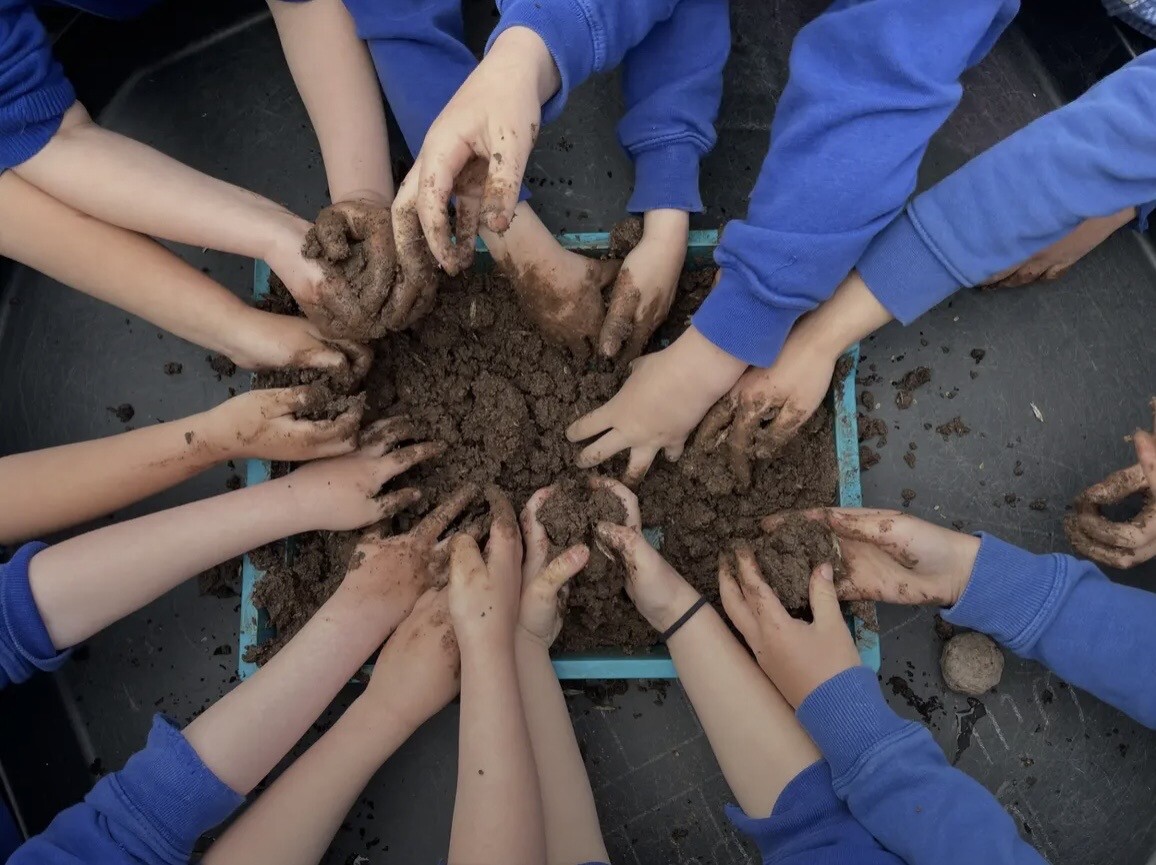
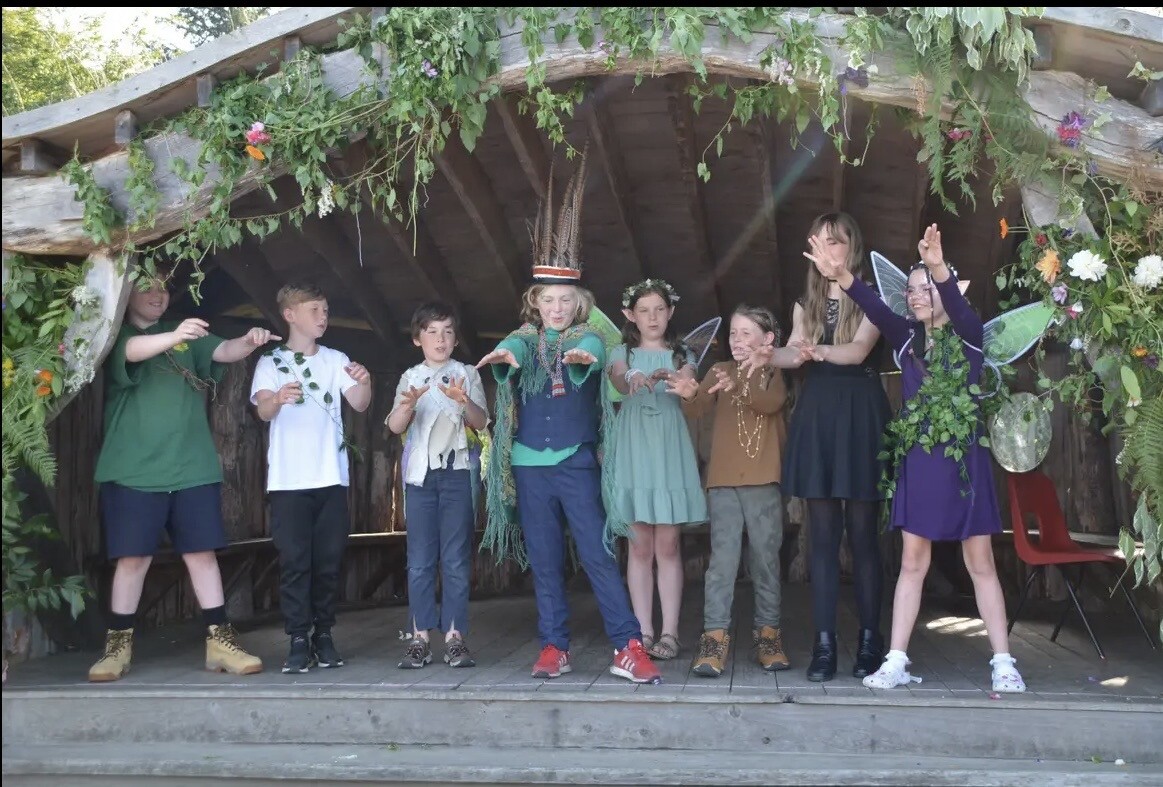
Our school grounds are designed to encourage a love of the natural world and the animals that live in it. We have vegetable patches which are managed and maintained by the children and led by class teachers. Children grow, prepare and cook the vegetables grown on site as part of their DT lessons.  We have a nature garden with sensory plants for the children to tend to and explore and spaces for them to build habitats such as bug hotels bird feeders. Our Outdoor classroom provides a space for lessons to come outside and is used year round for learning, performances and music sessions.

At Widecombe, the outdoors isn’t an occasional extra—it’s a living, breathing part of our curriculum. Dartmoor shapes our learning, fuels our imagination and helps our children grow into confident, capable and environmentally aware young people.
Forest School at Widecombe in the Moor Primary School

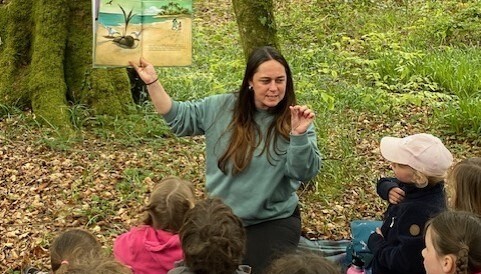
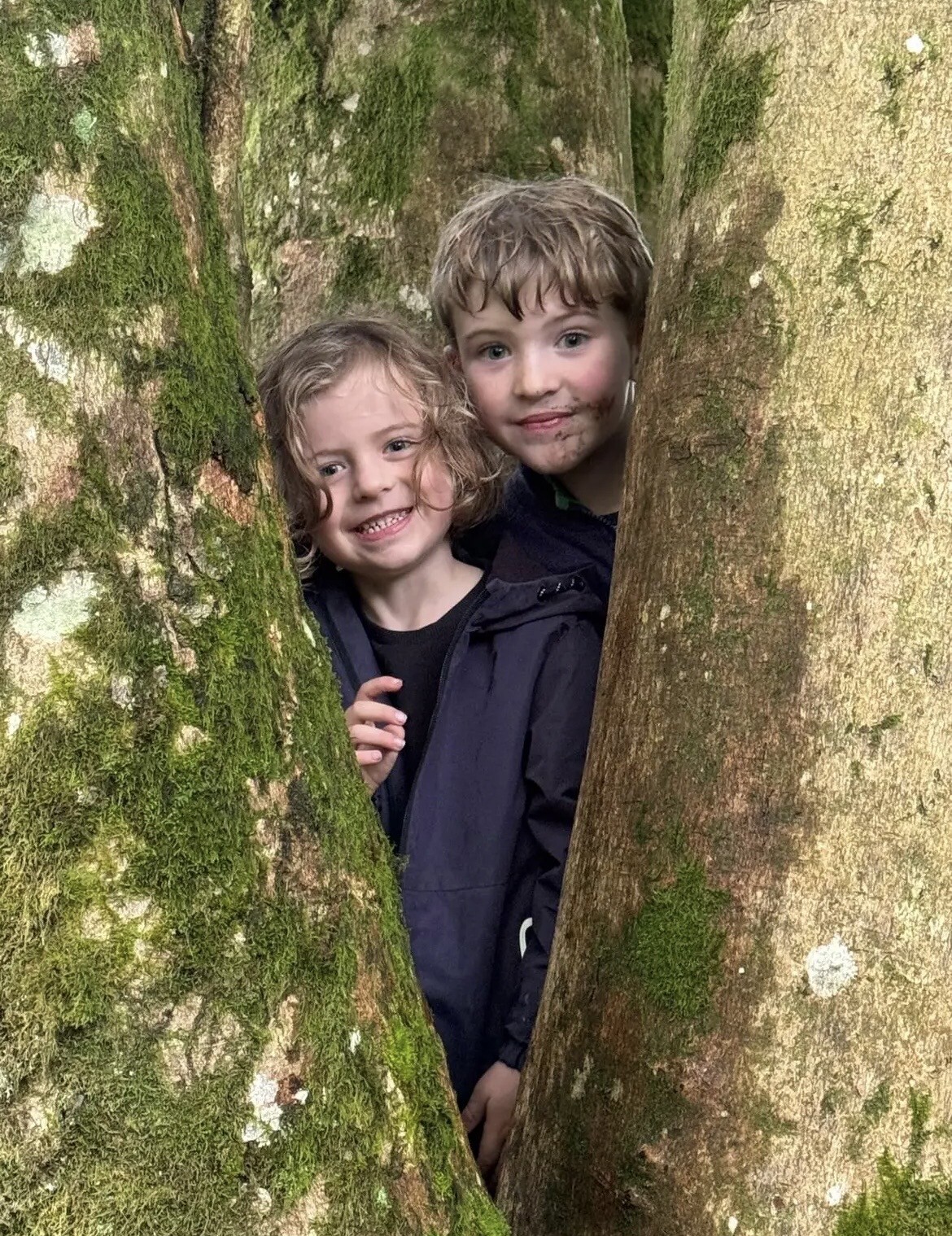
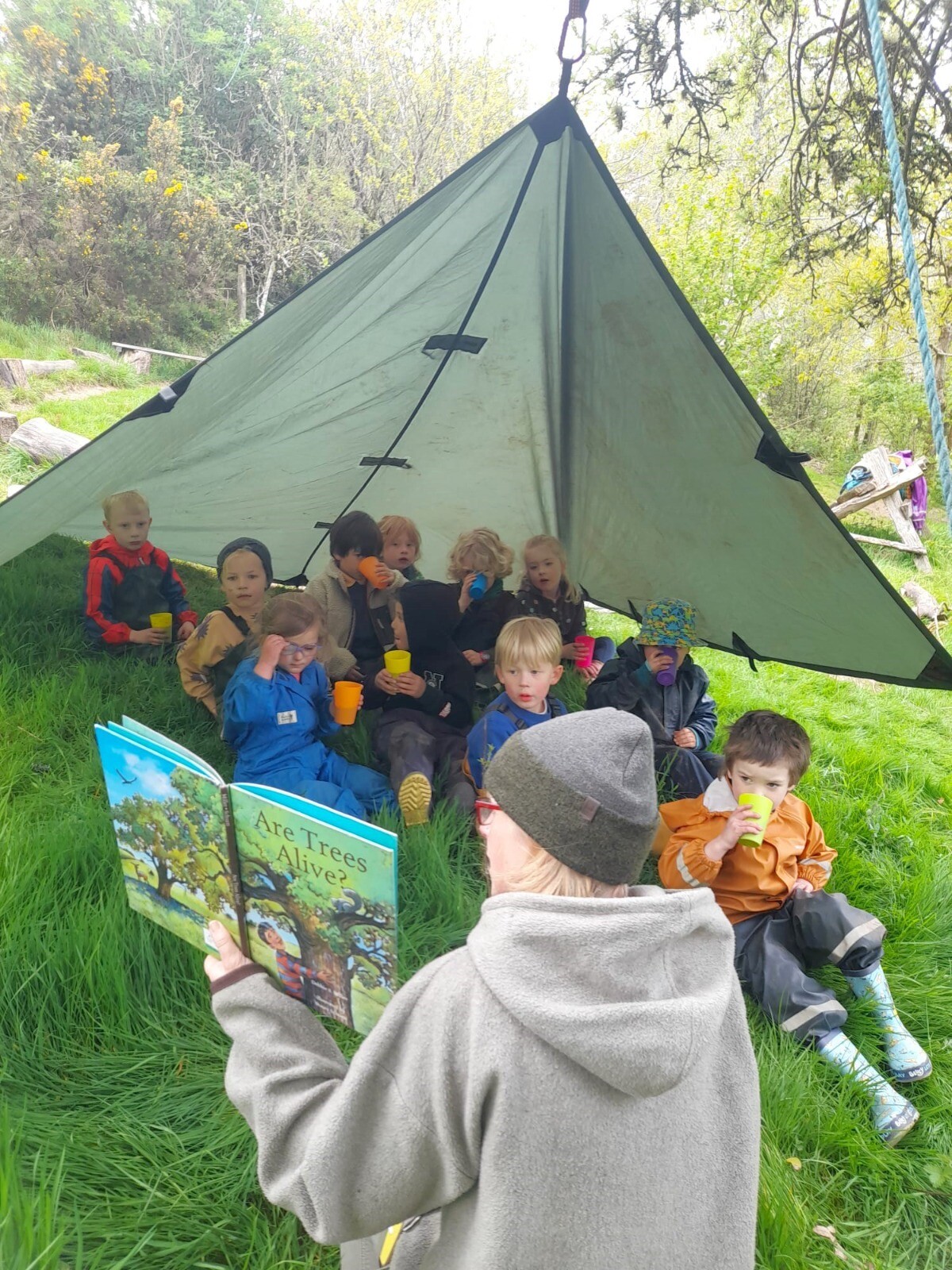
At Widecombe Primary School, our Forest School provision is a central part of our curriculum, offering all pupils regular, high-quality opportunities to learn and thrive in the natural environment.

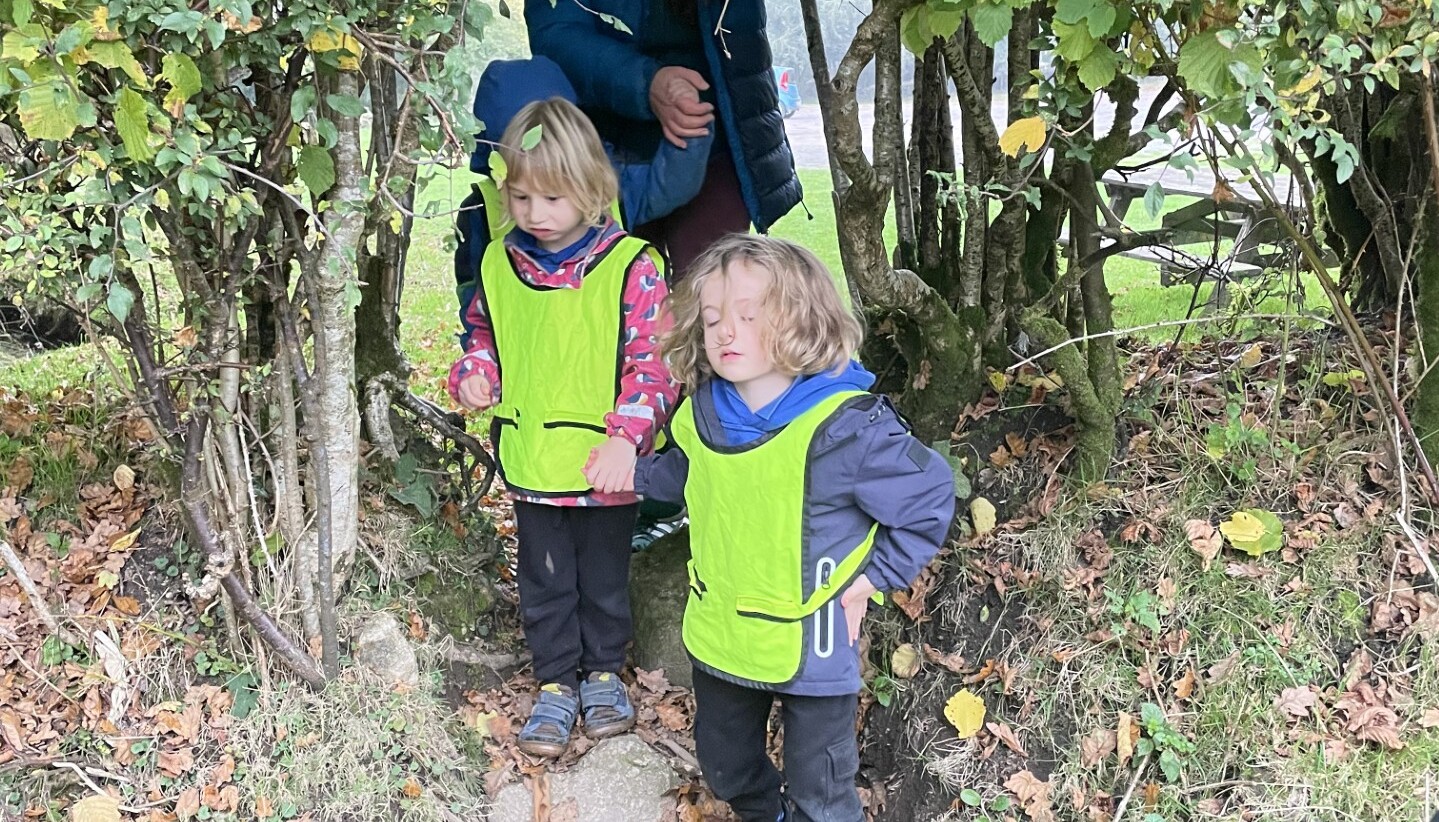
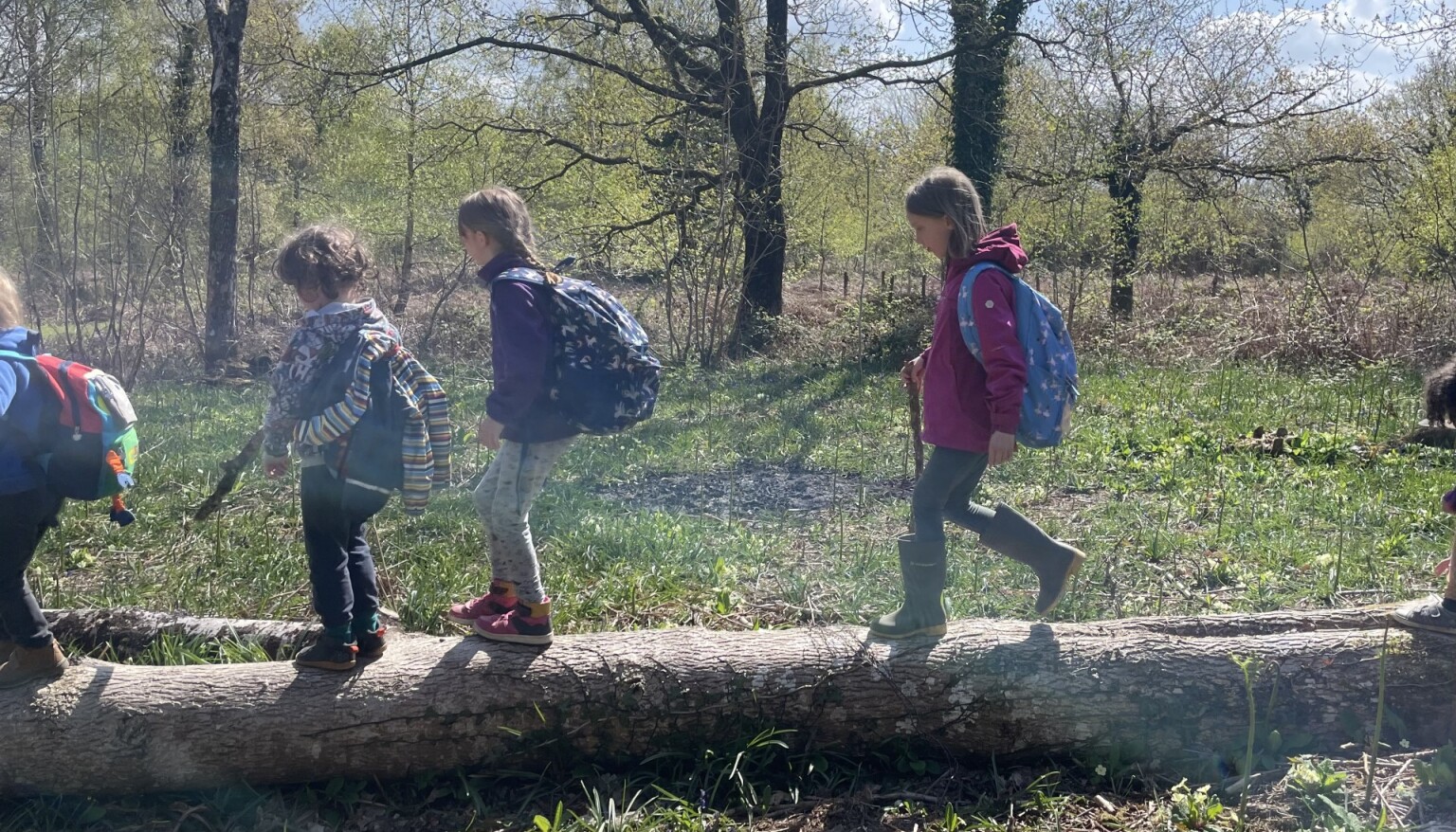
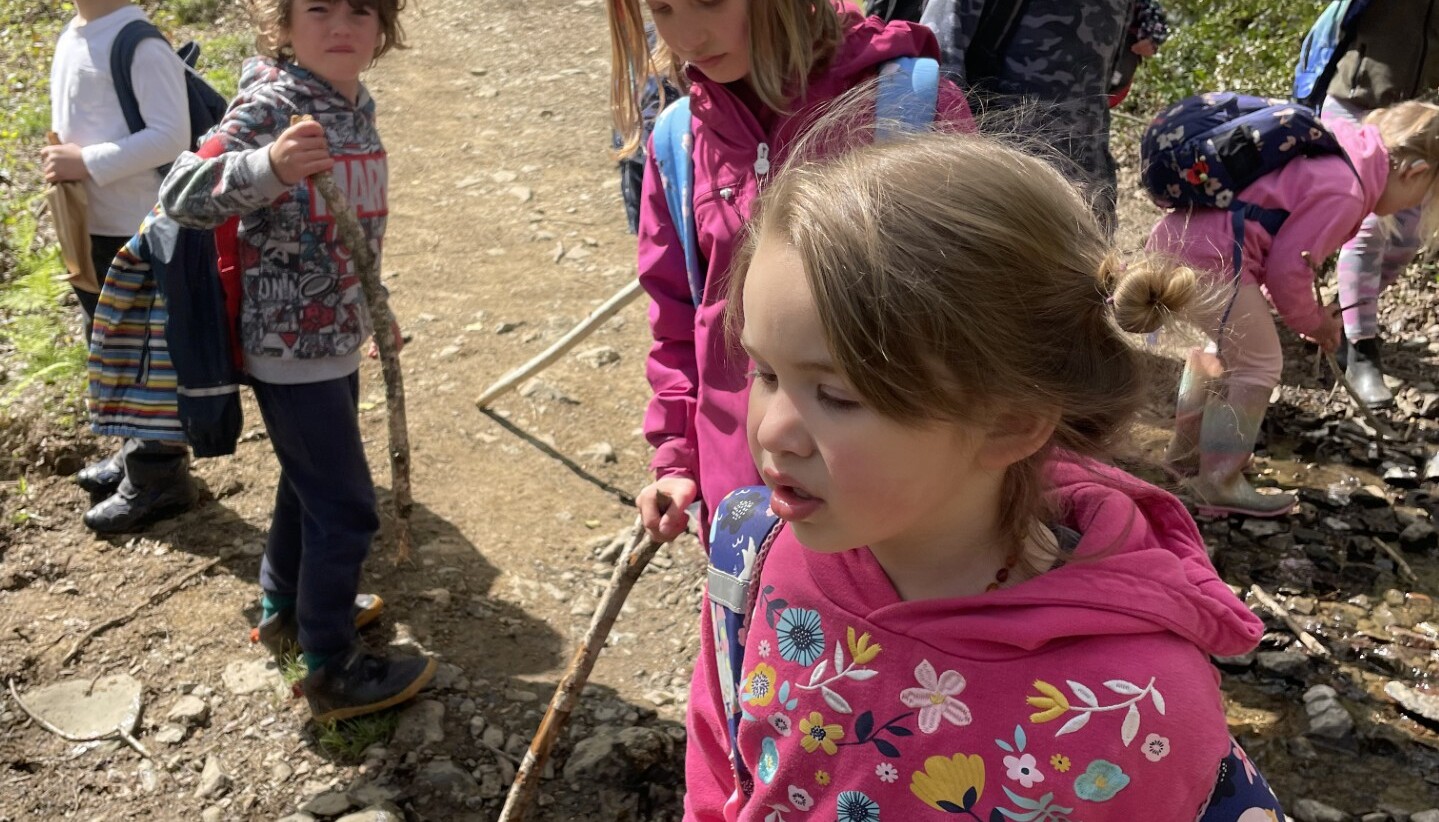
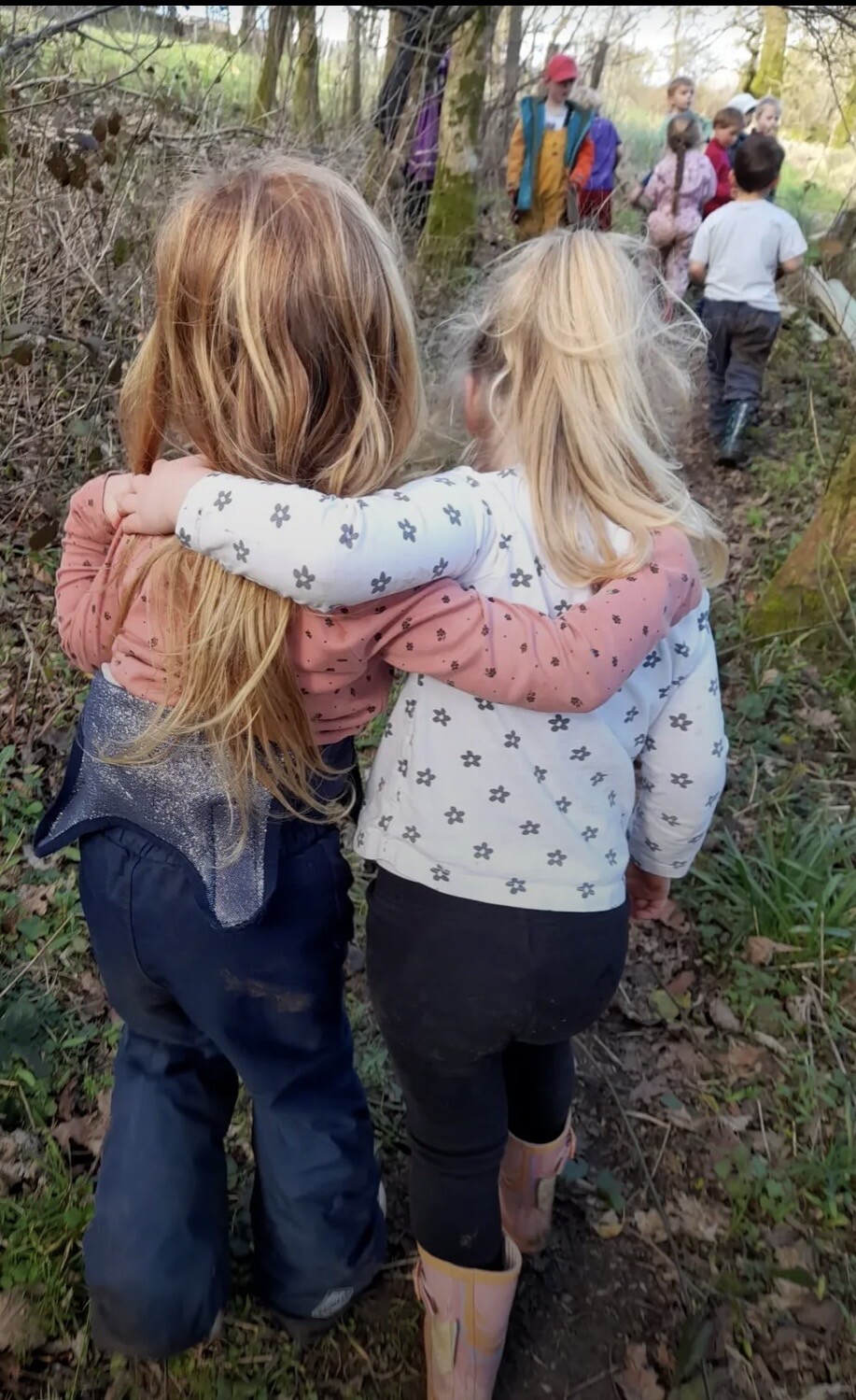
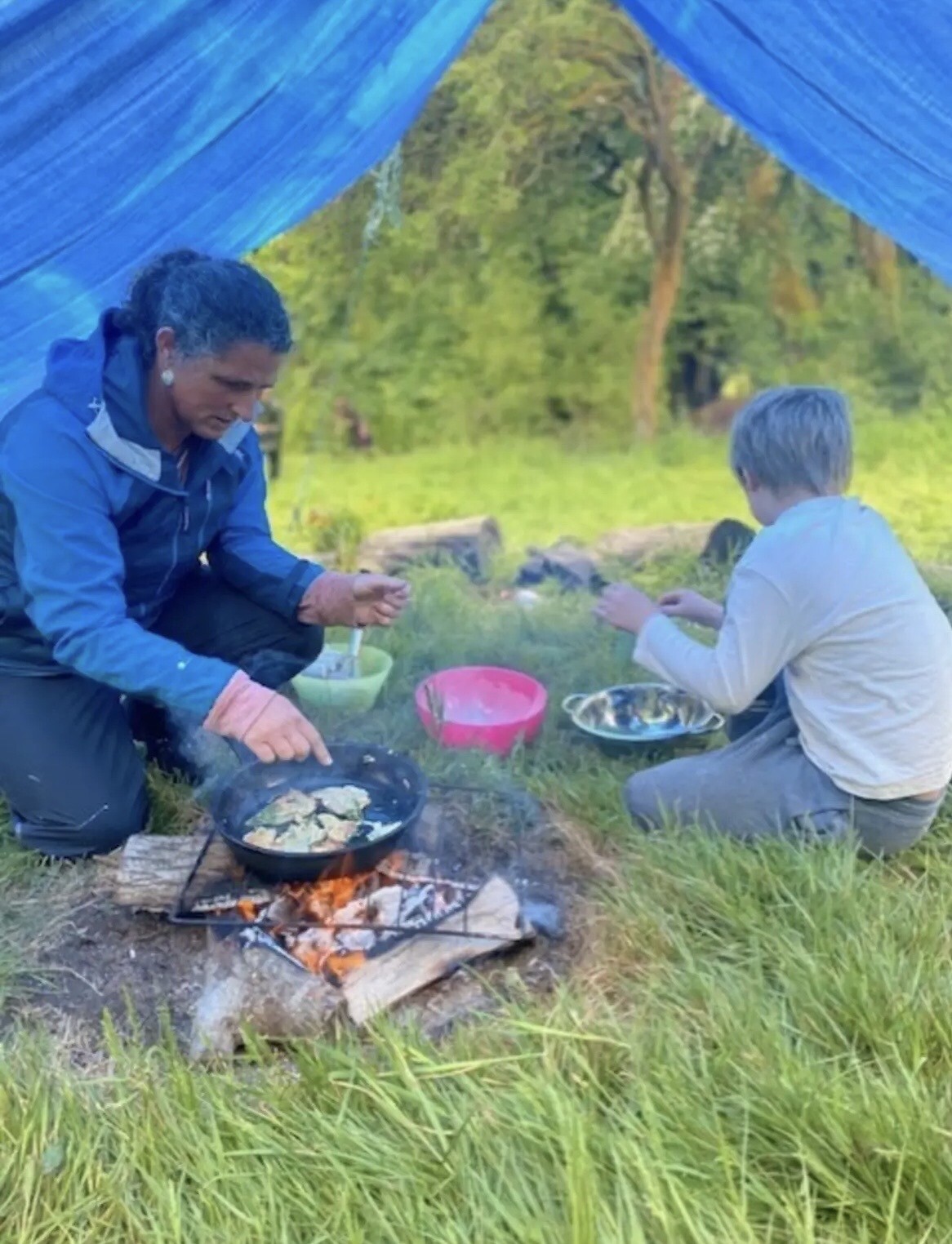
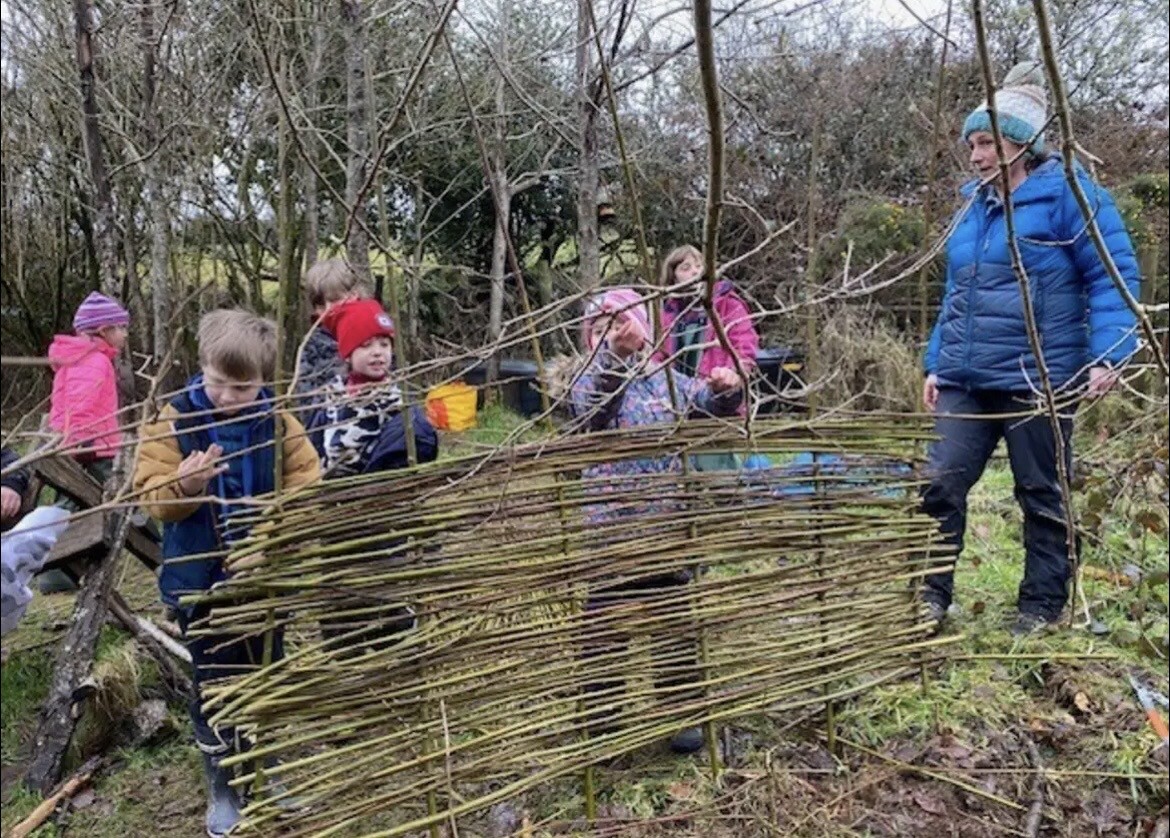
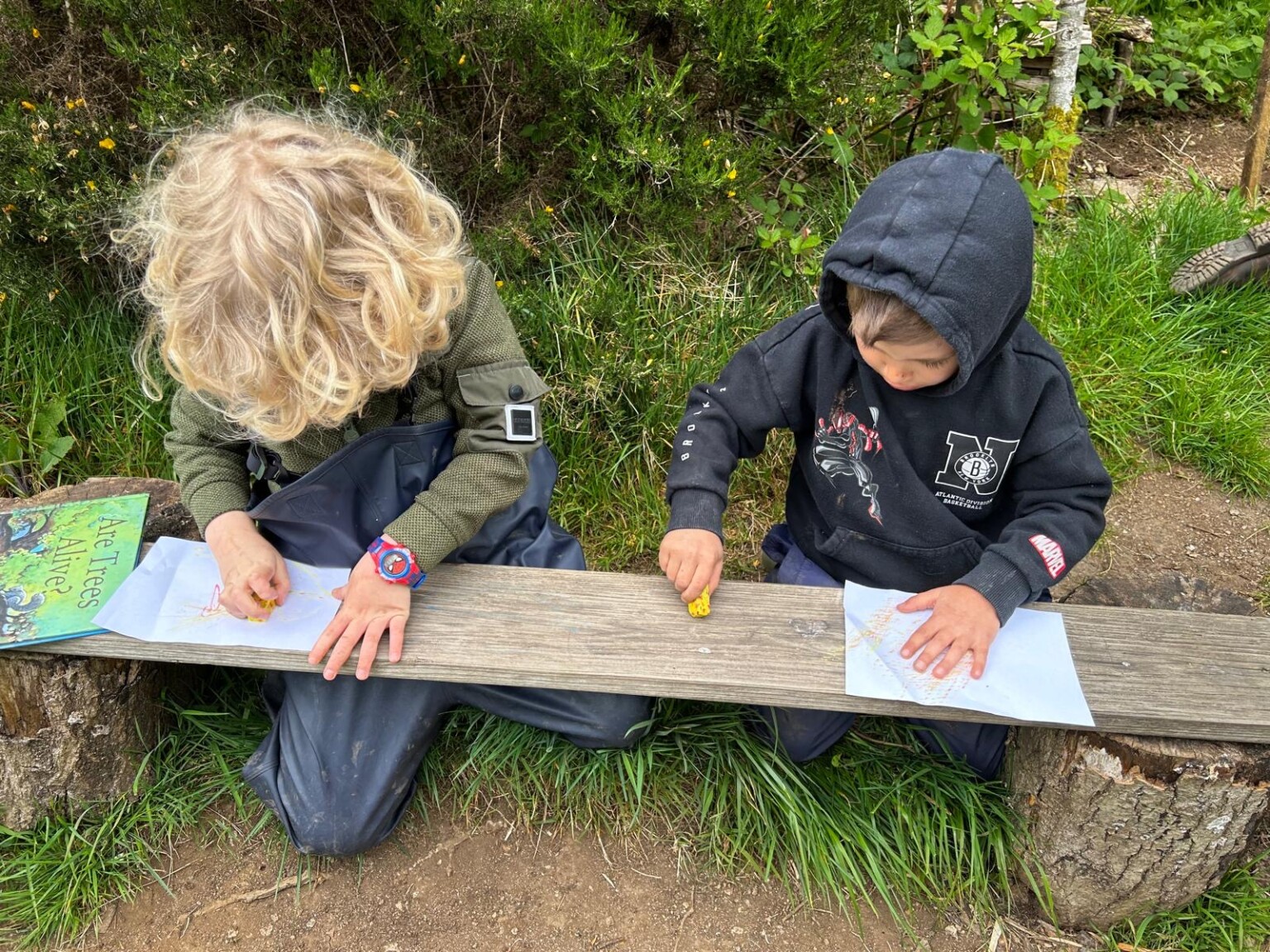
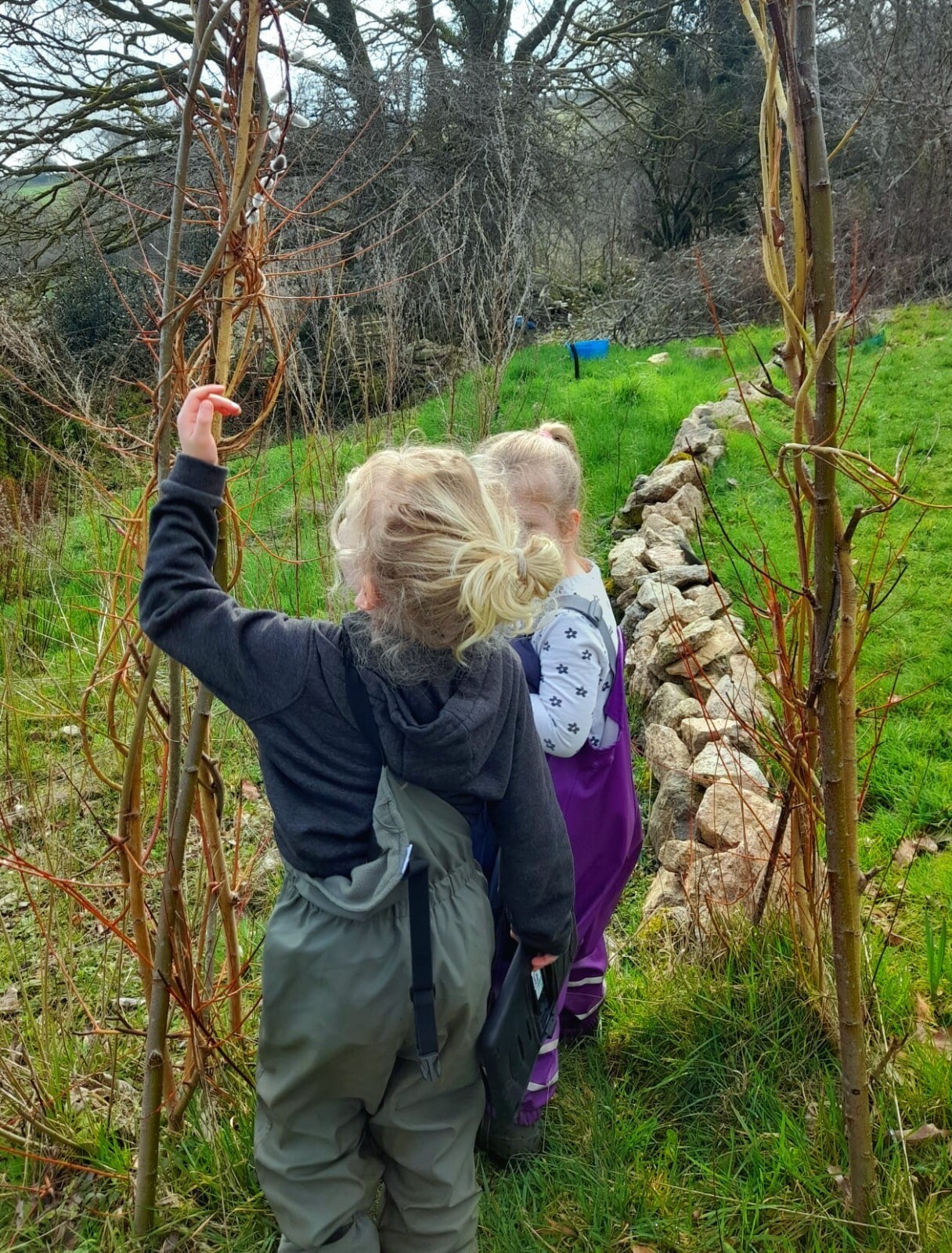
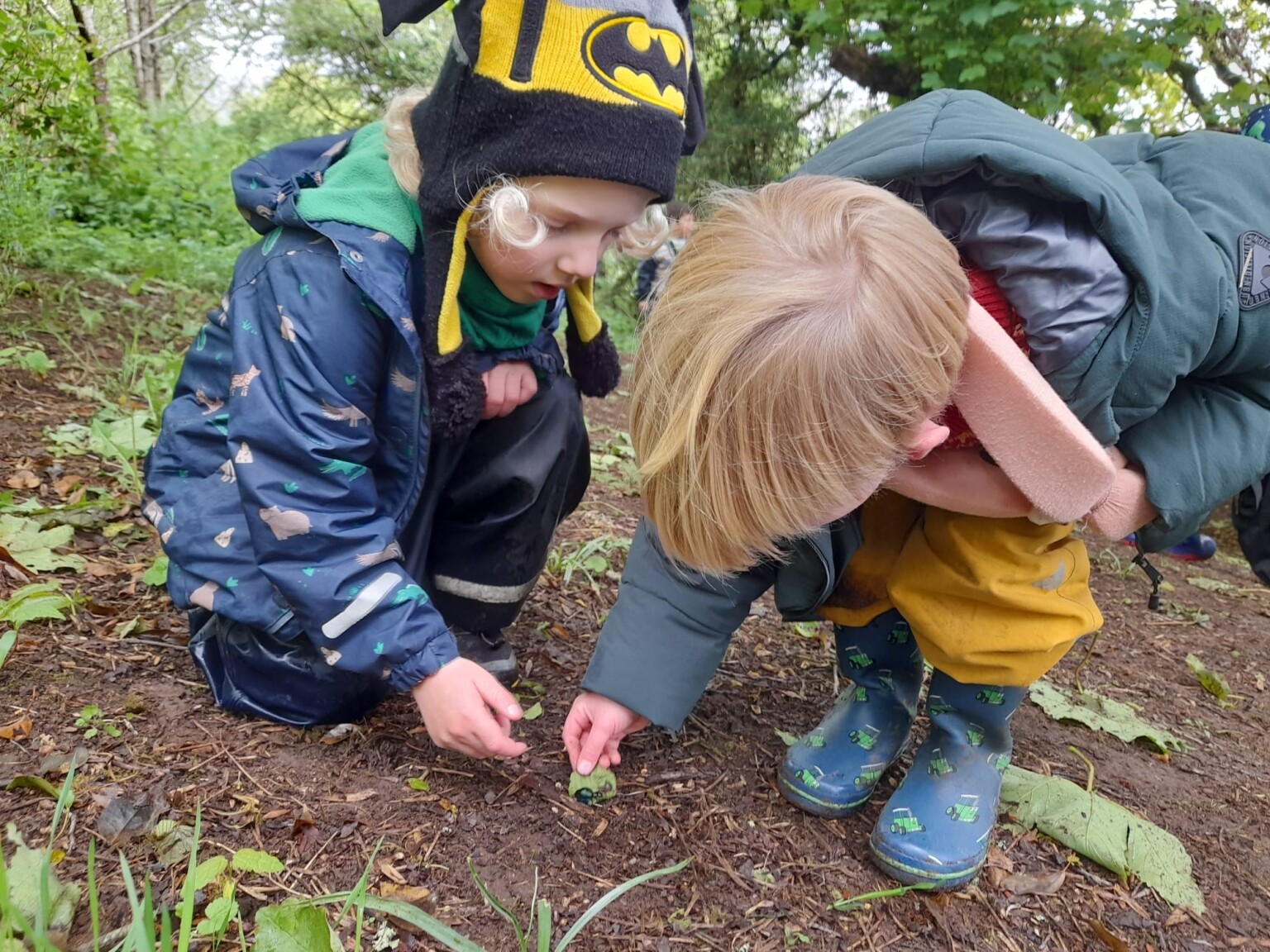
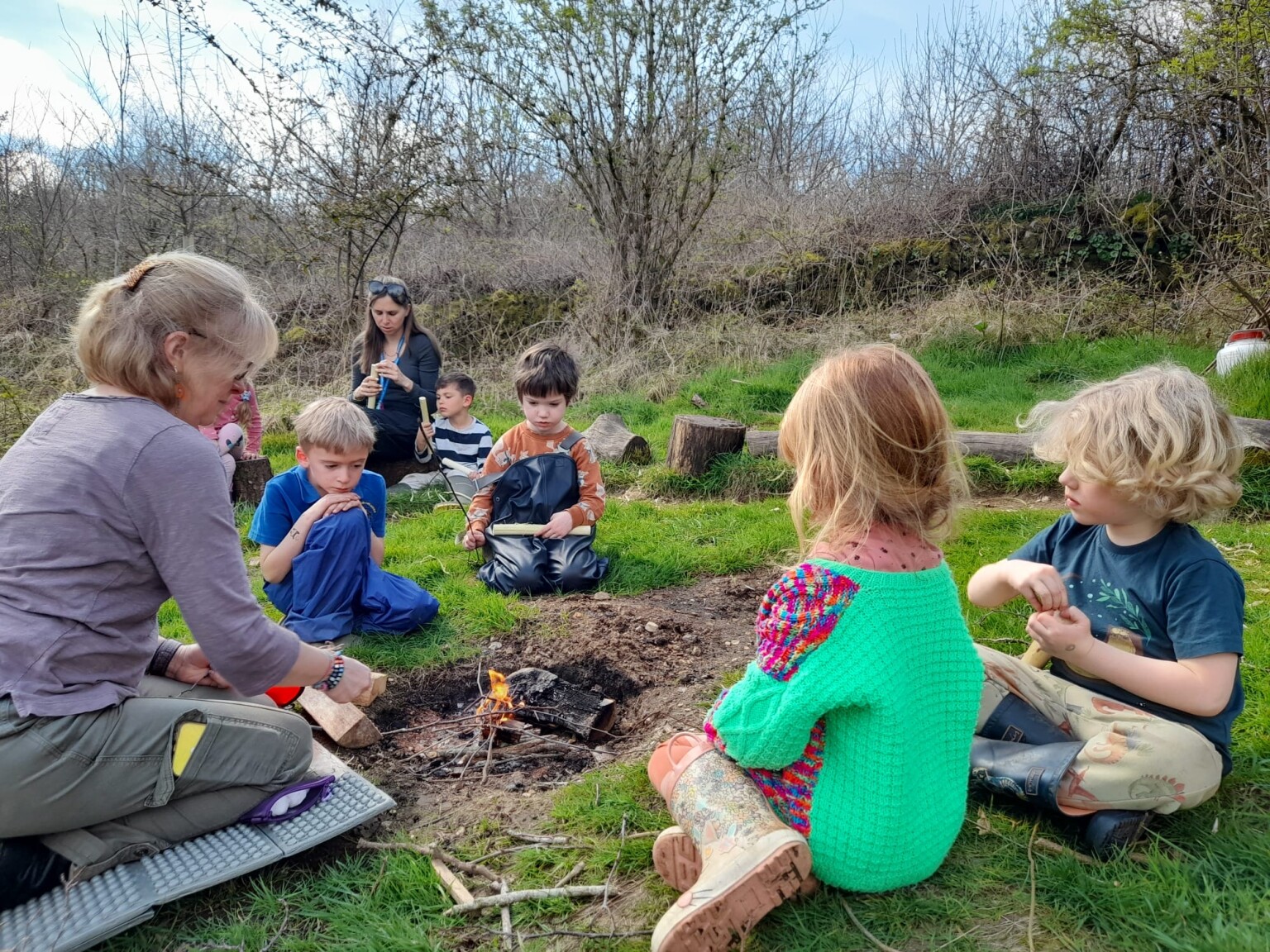
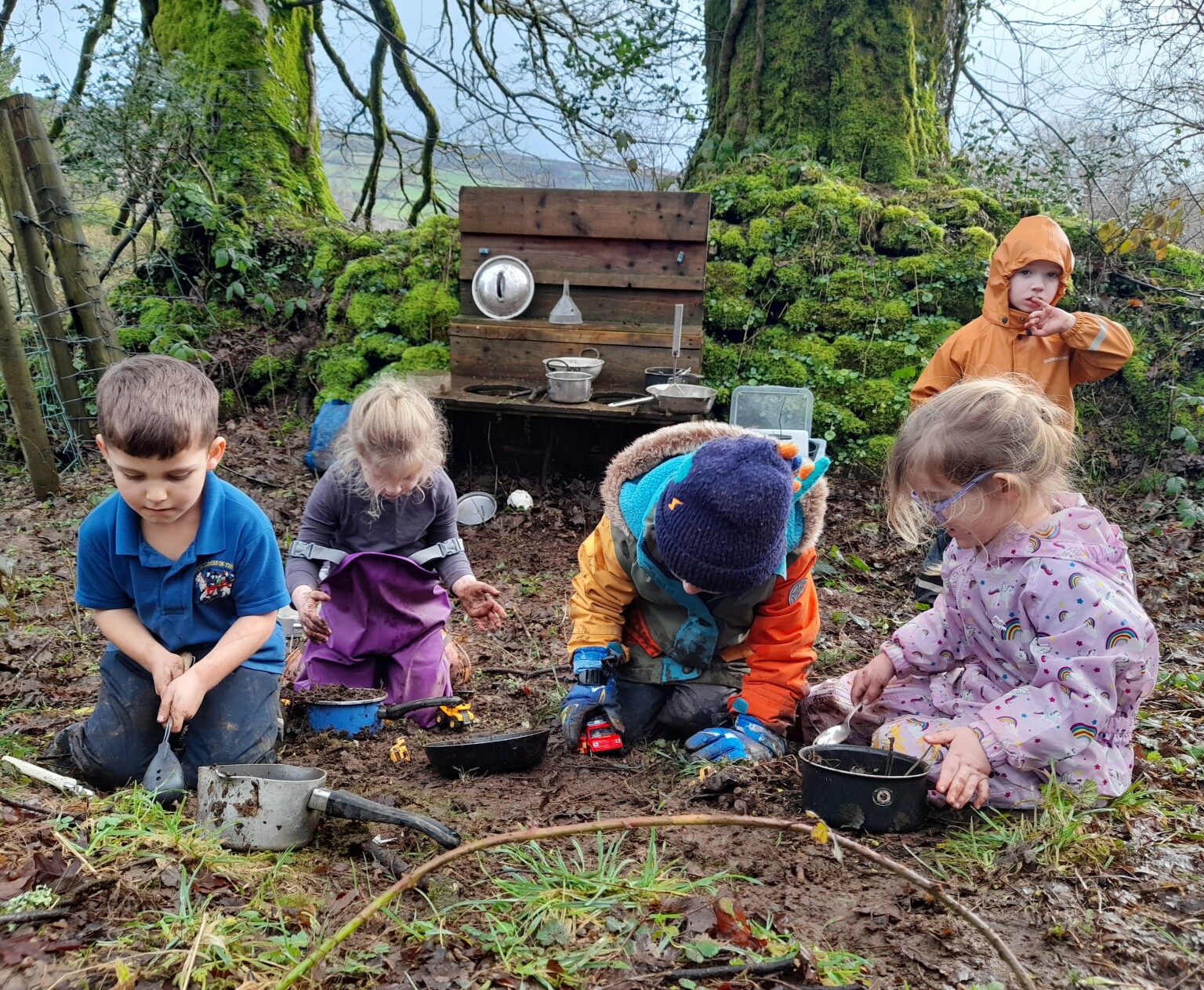
Set within our local woodland at Southcombe Barn, Forest School enables children to develop a deep connection with nature while building knowledge, practical skills and personal confidence over time. Across the school year, all pupils take part in extended, hands-on sessions that balance child-led exploration with the explicit teaching of key outdoor skills.
Through Forest School, children learn how to:

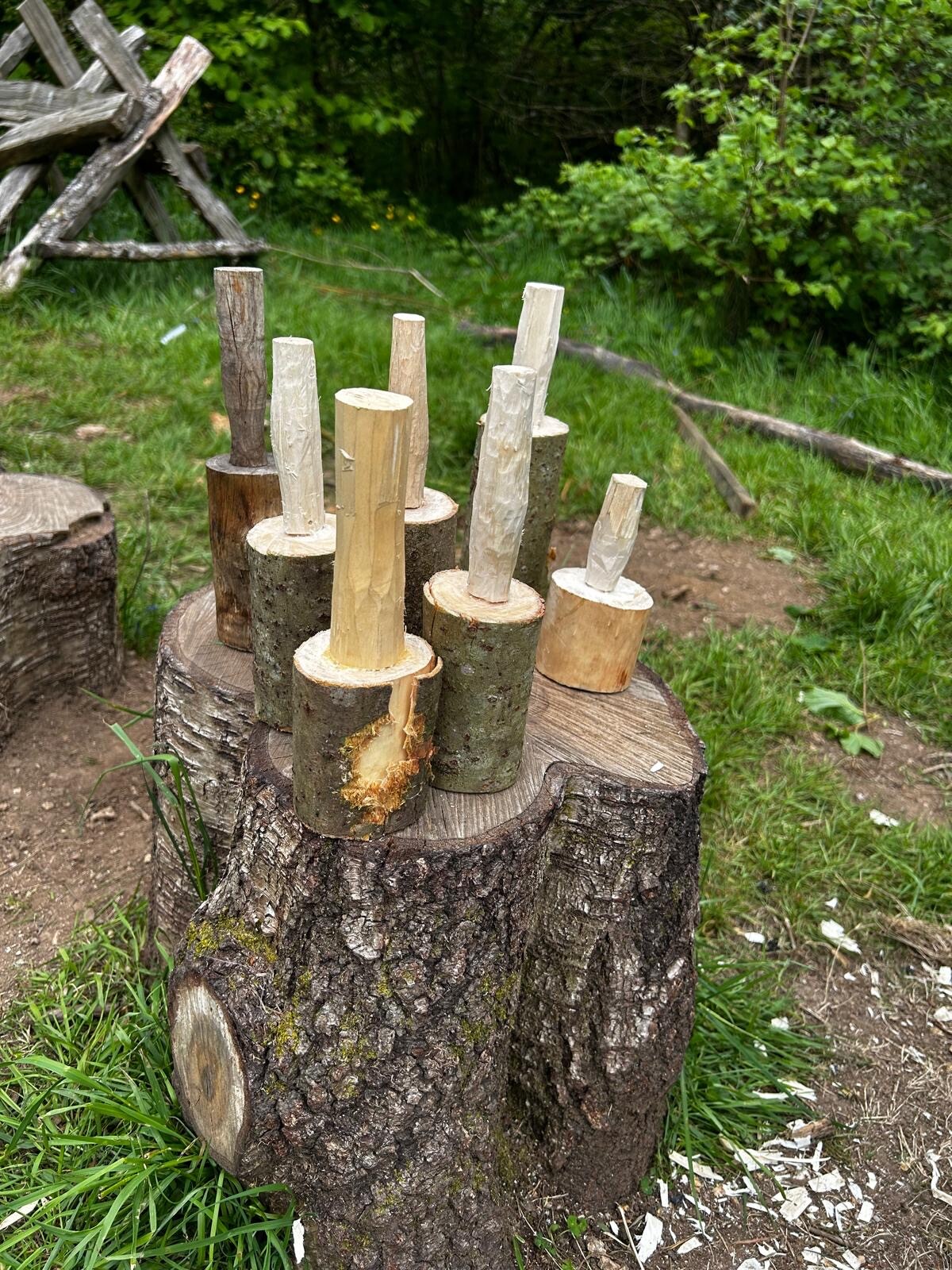
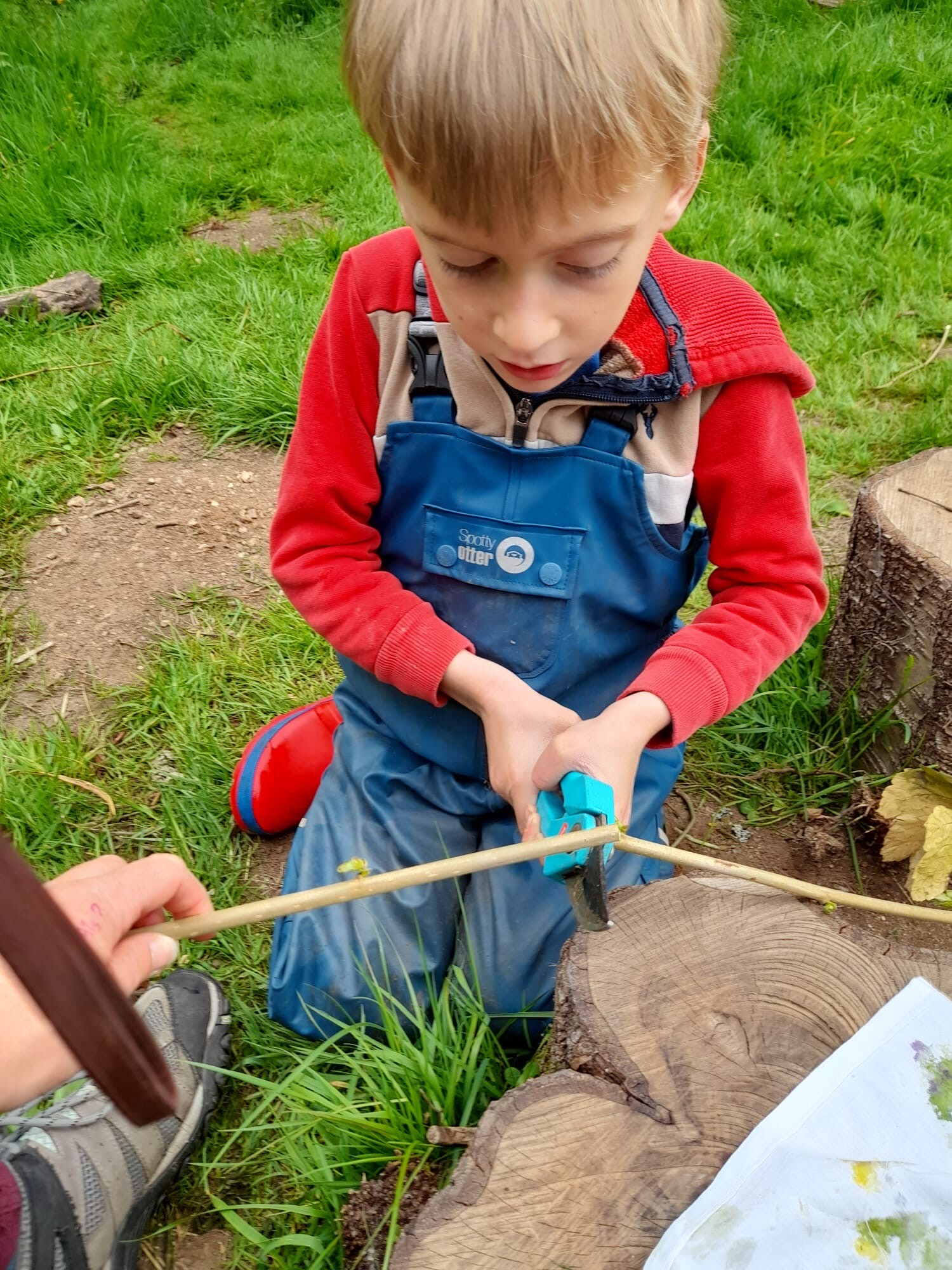
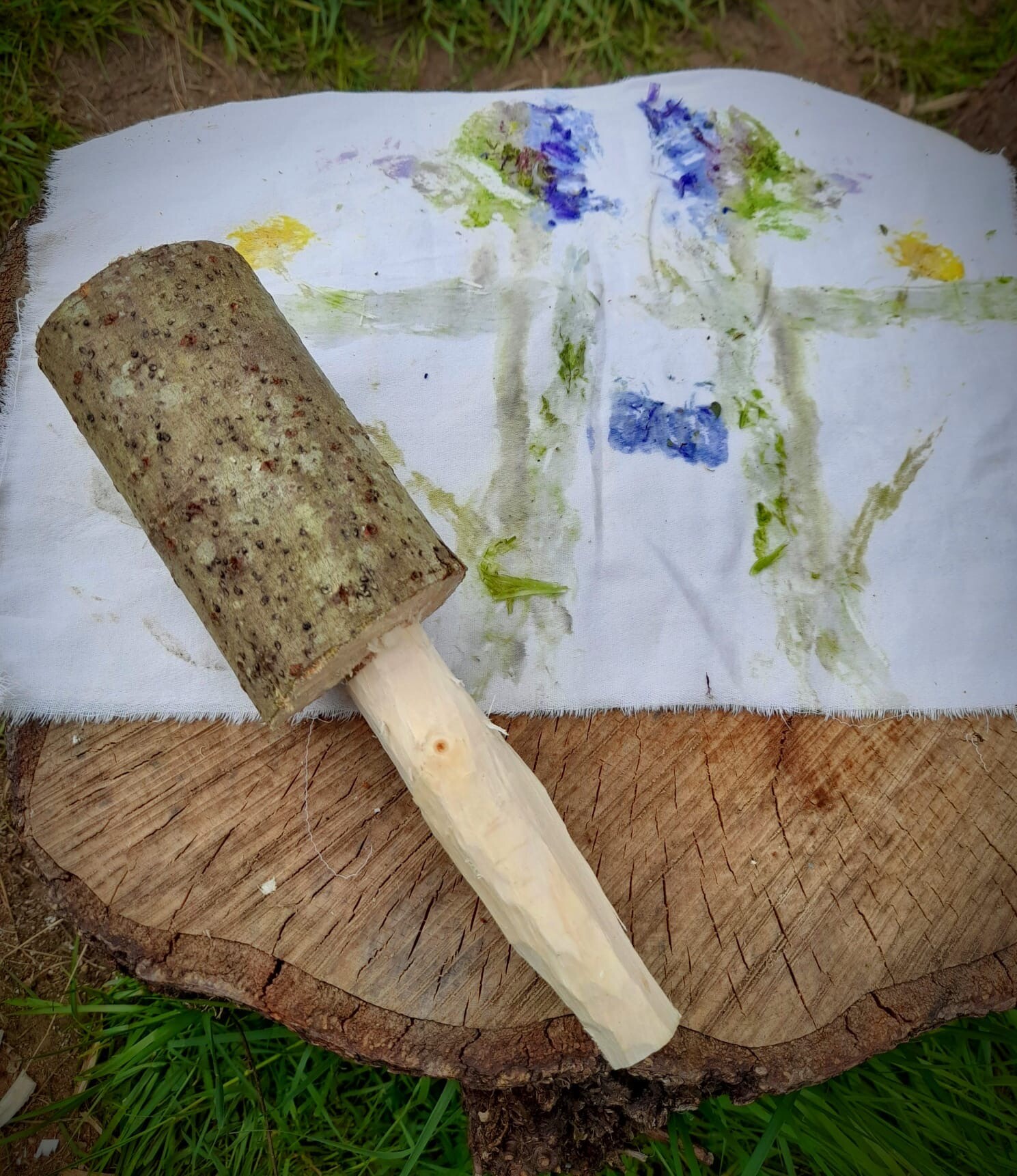
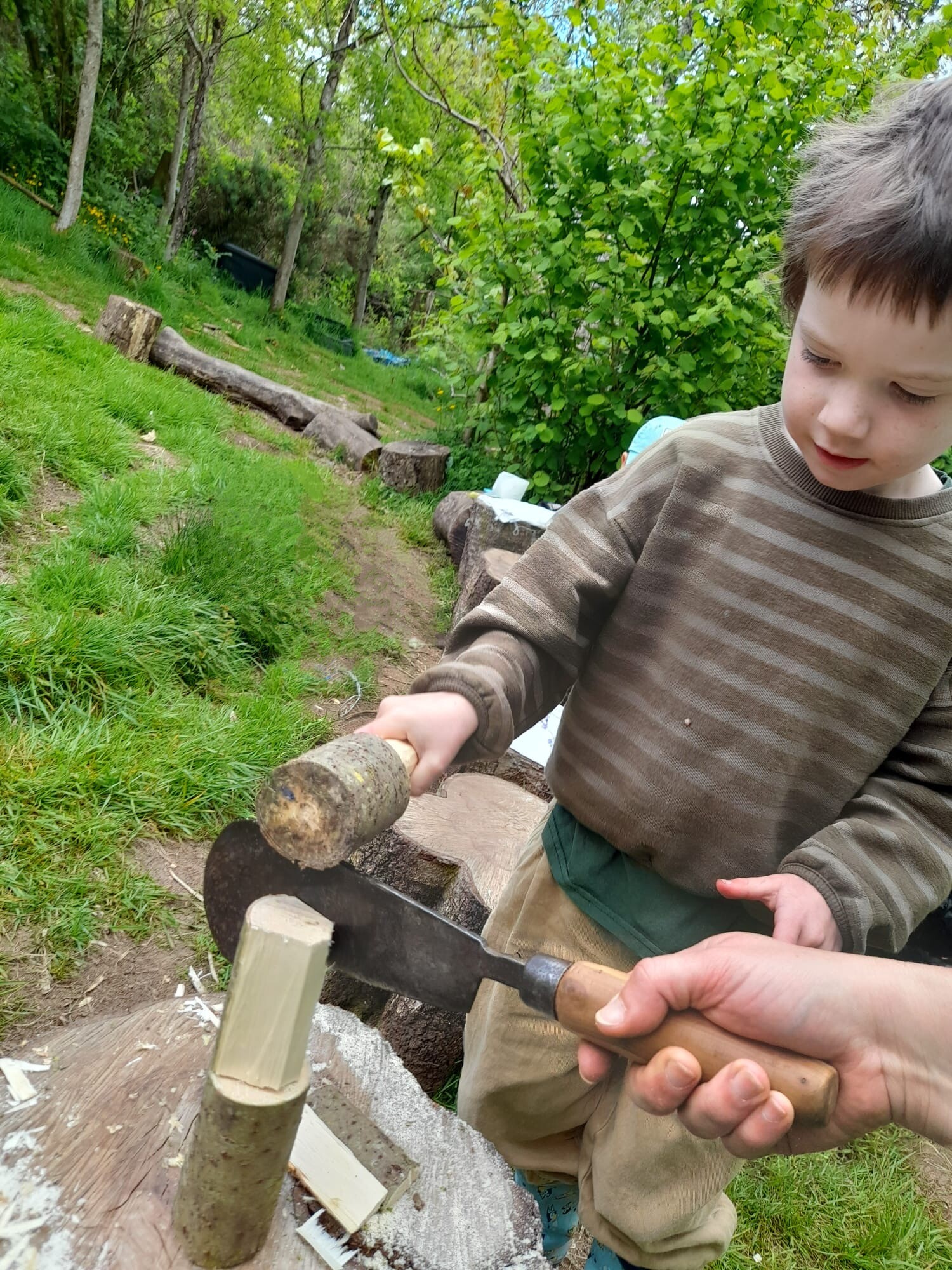
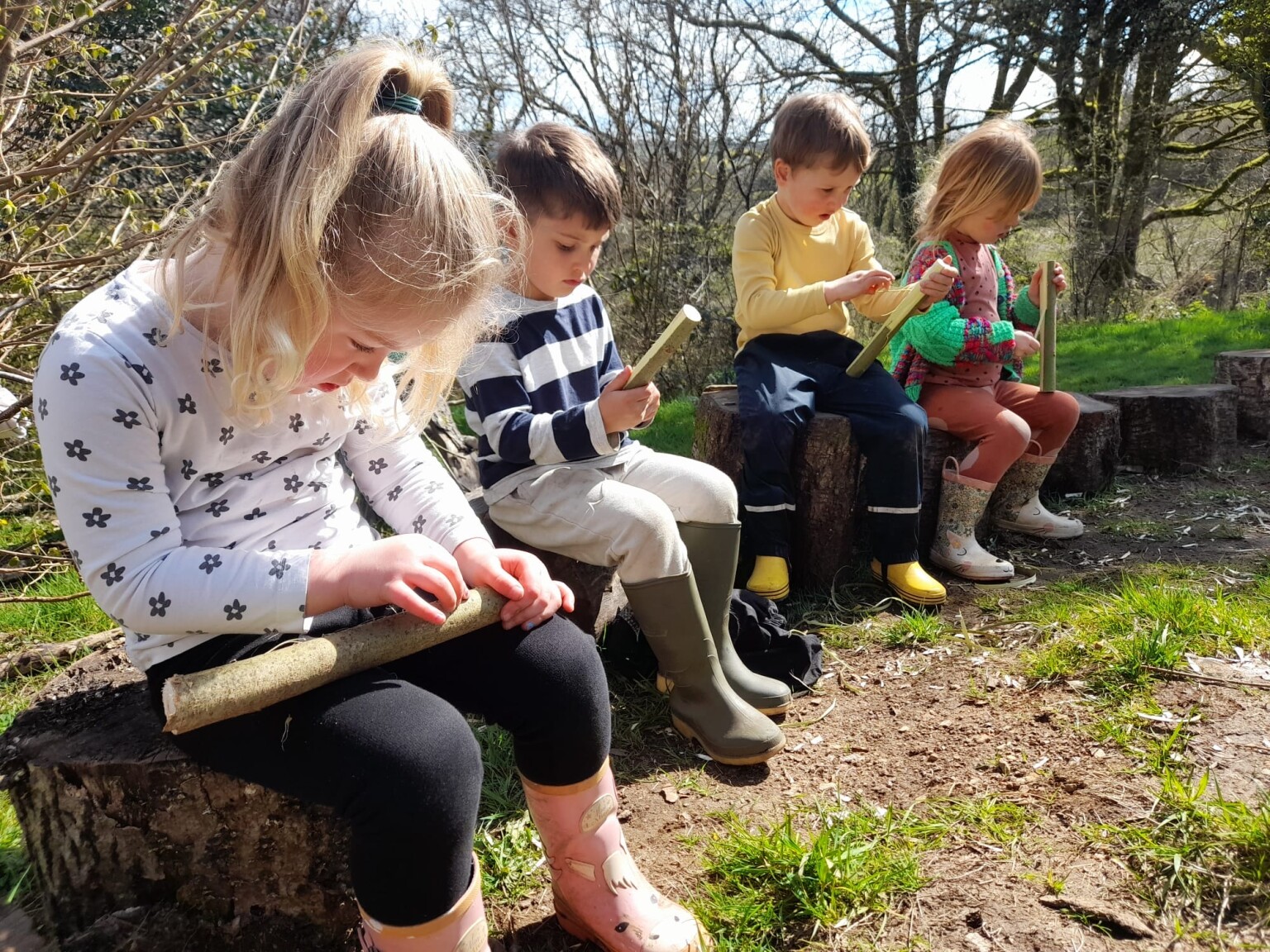
  • Safely use tools and build structures
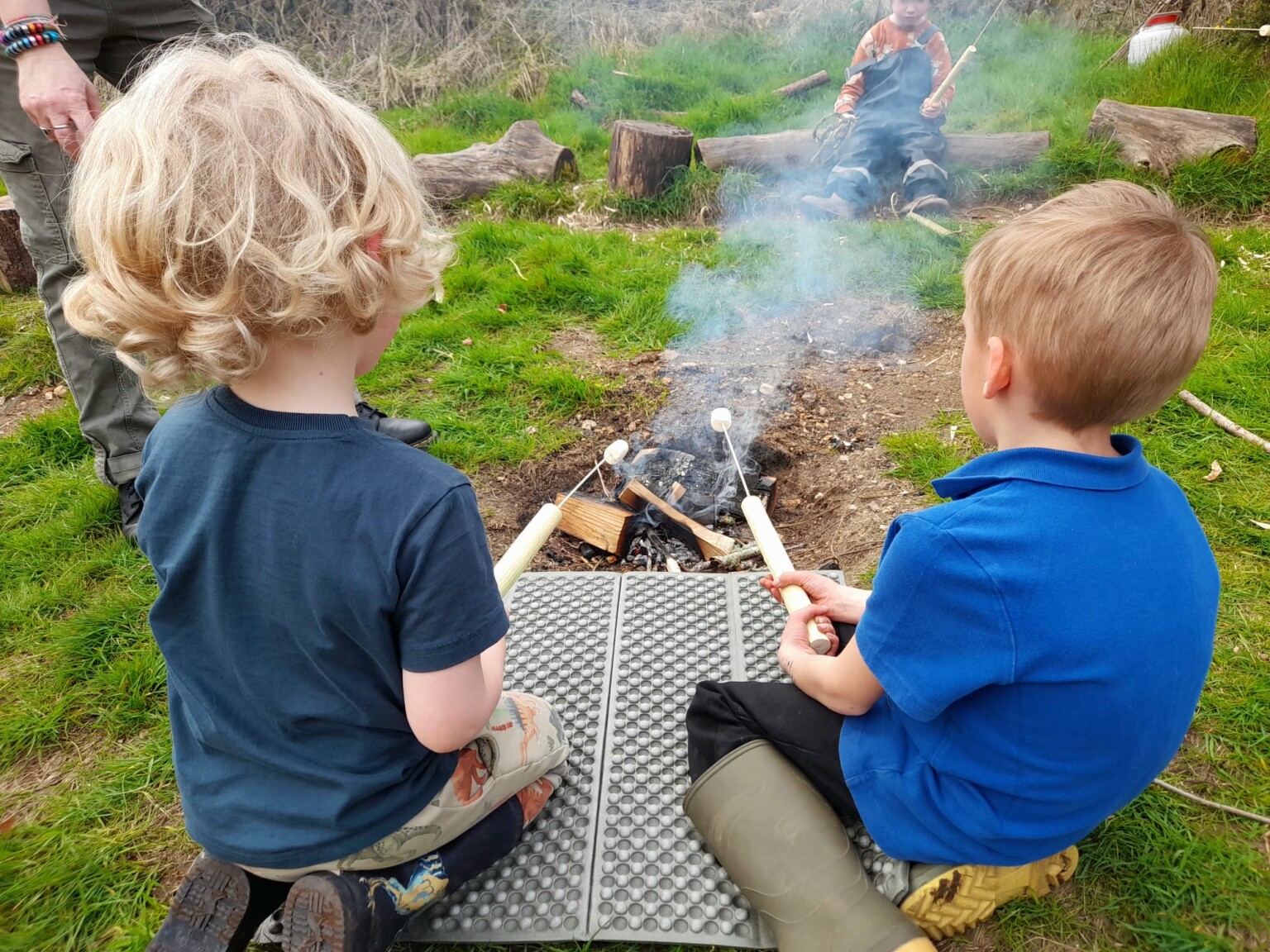
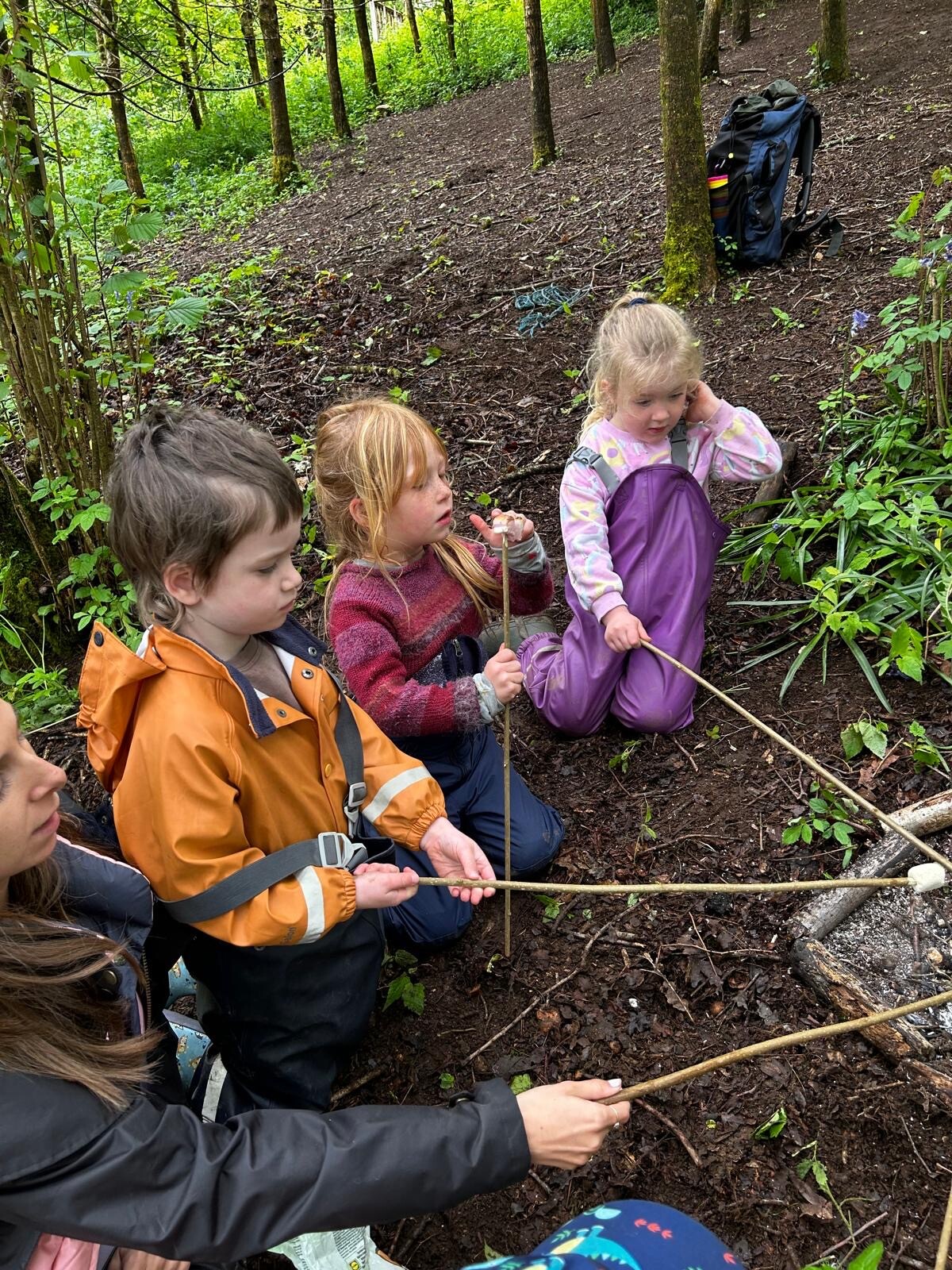
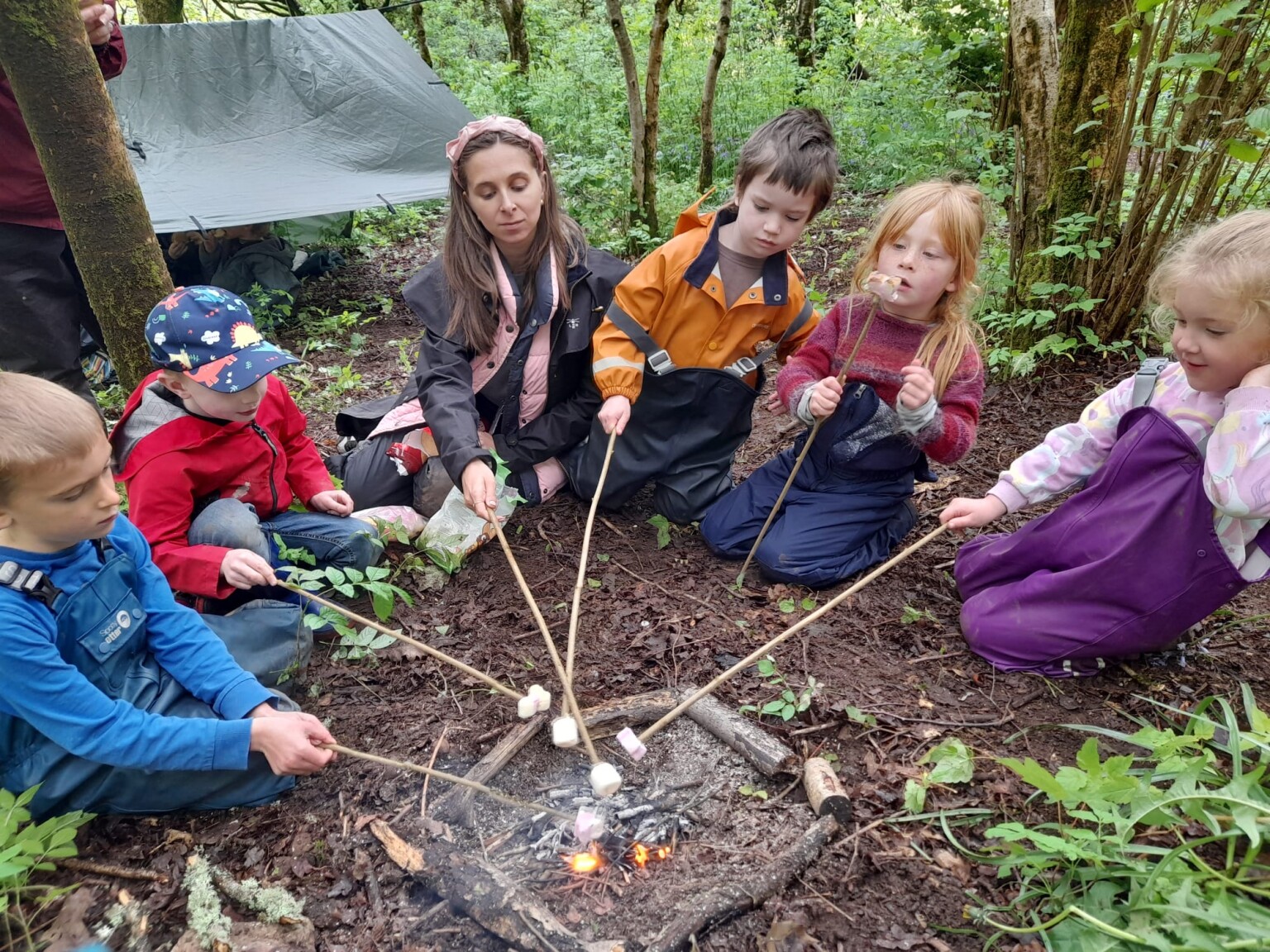
  • Understand fire safety and cook outdoors
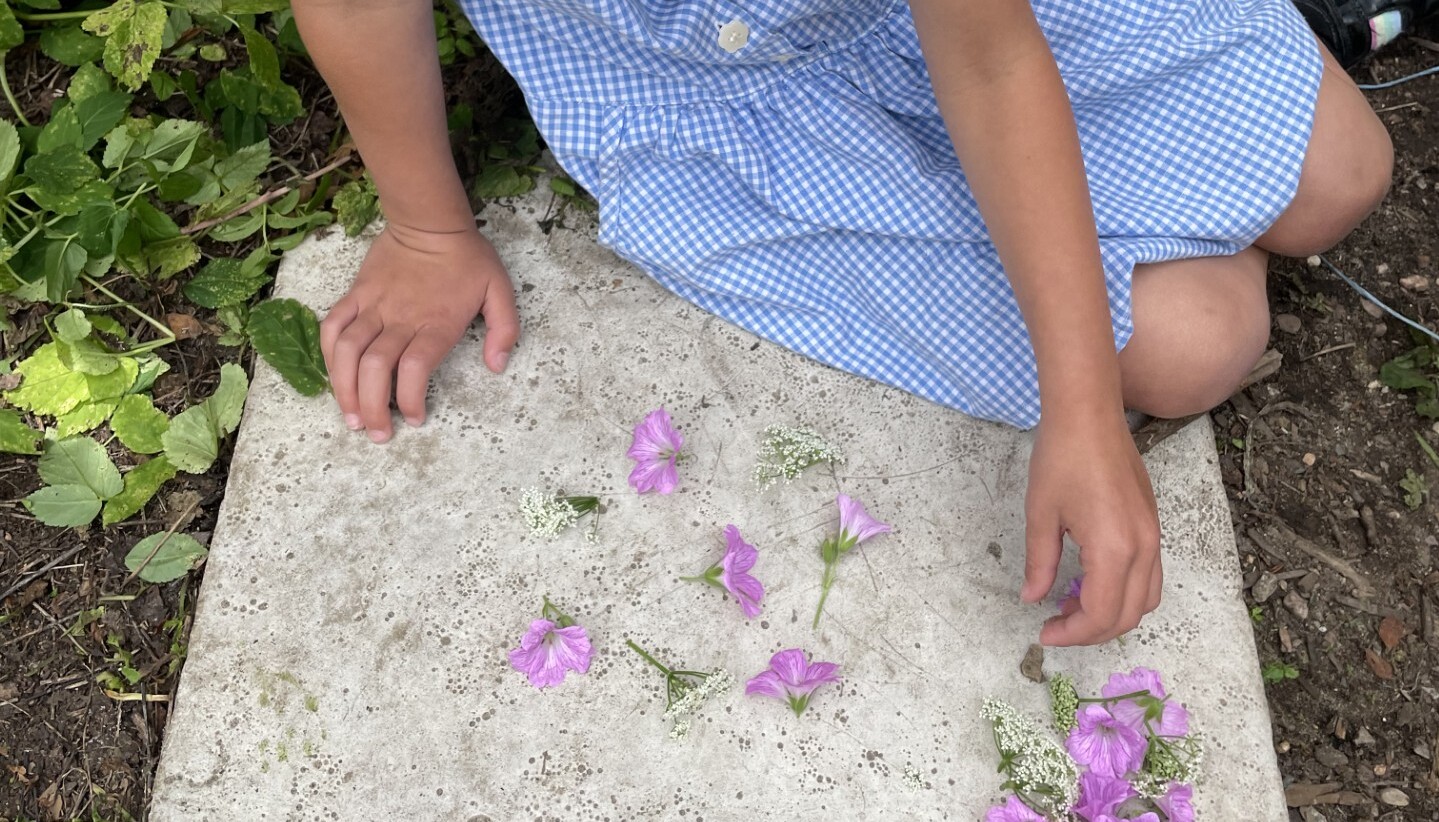
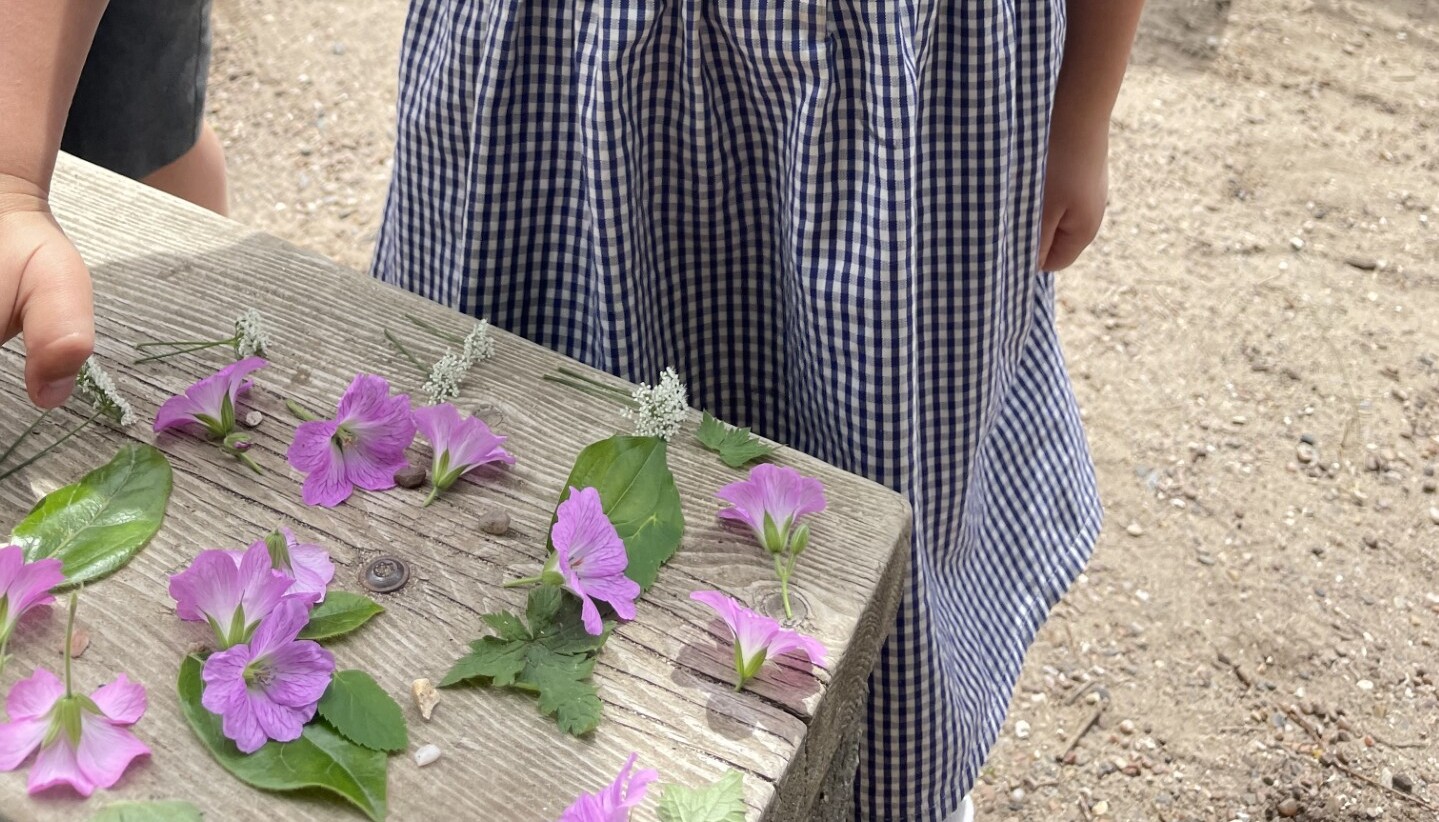
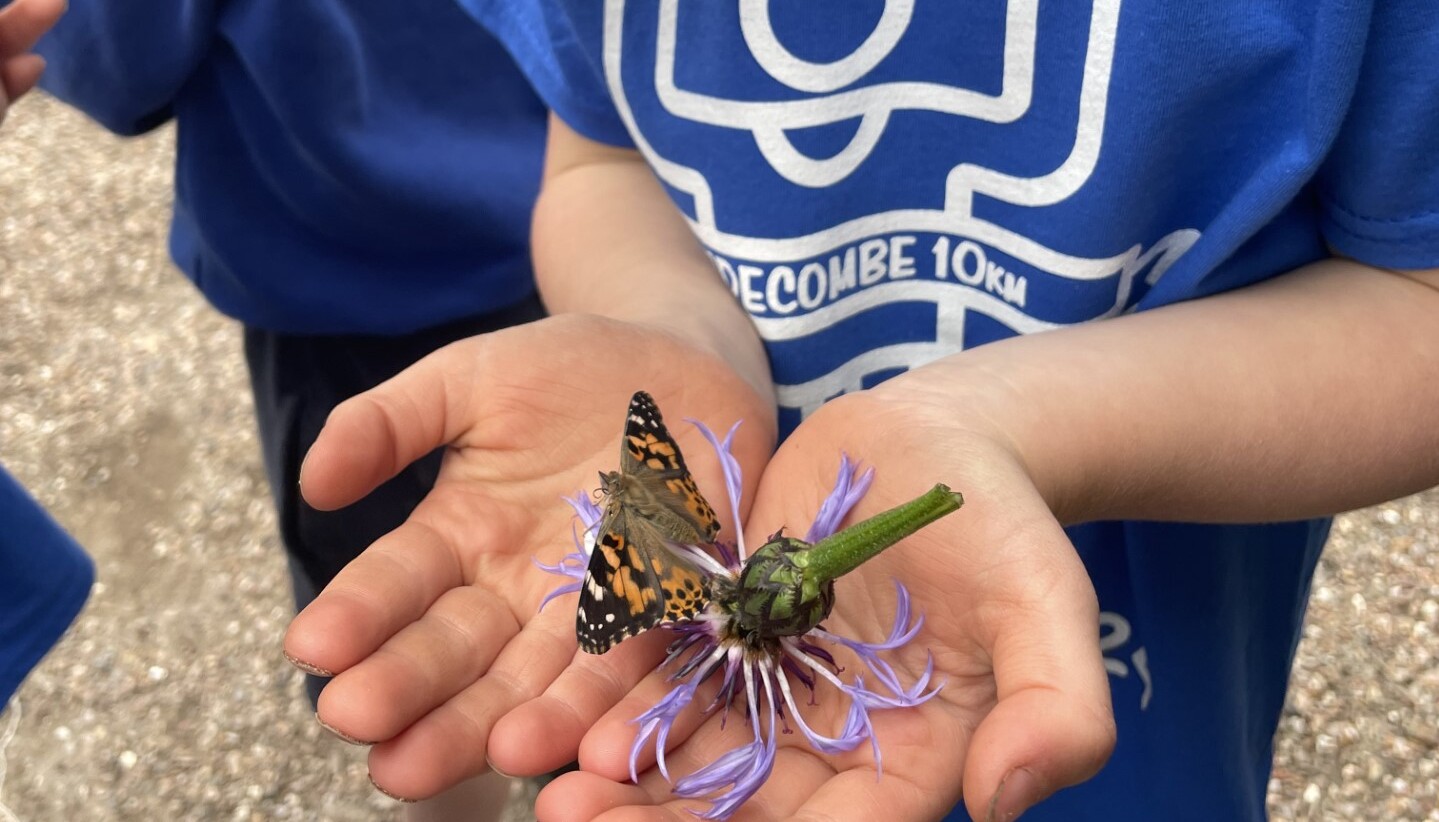
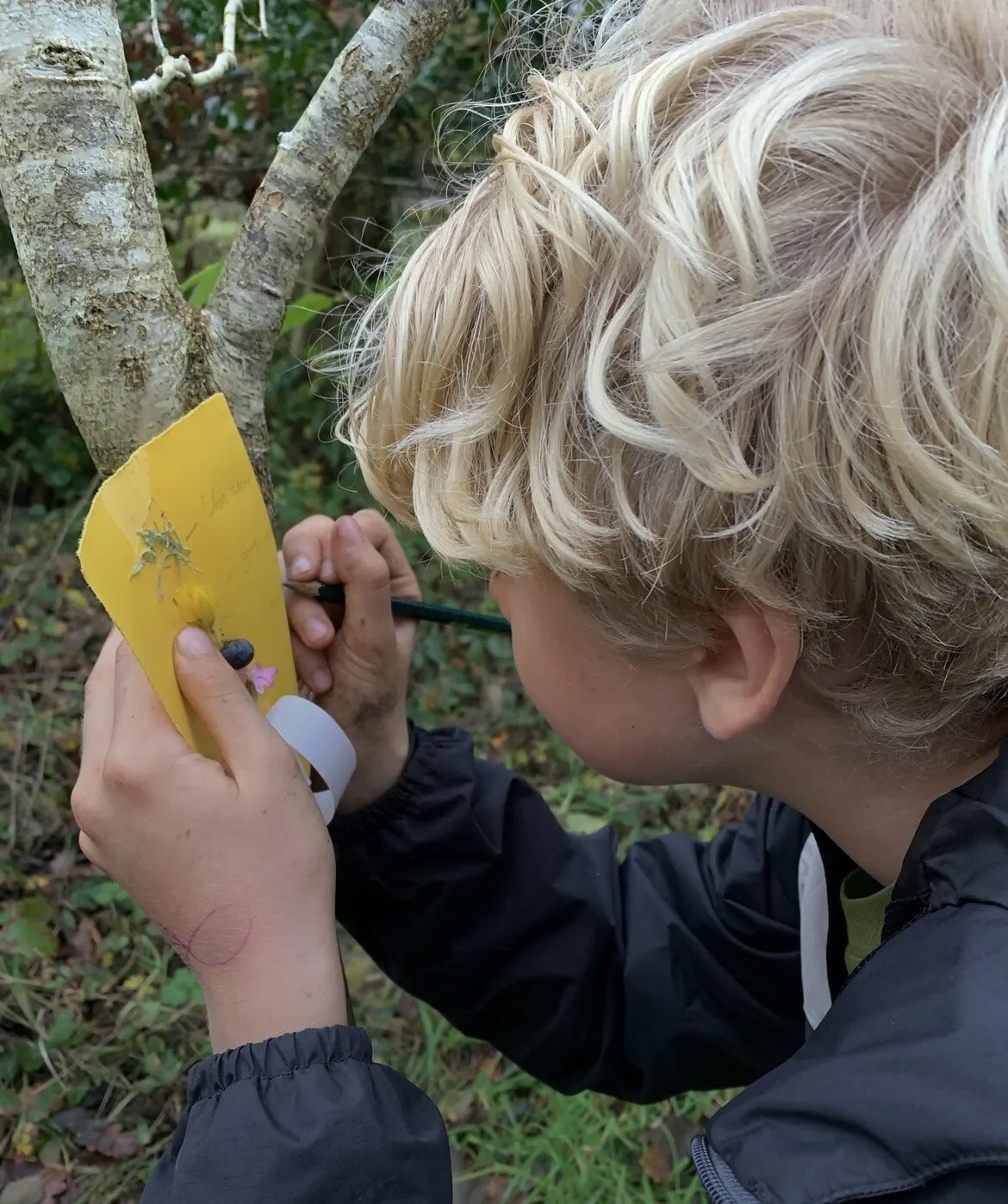
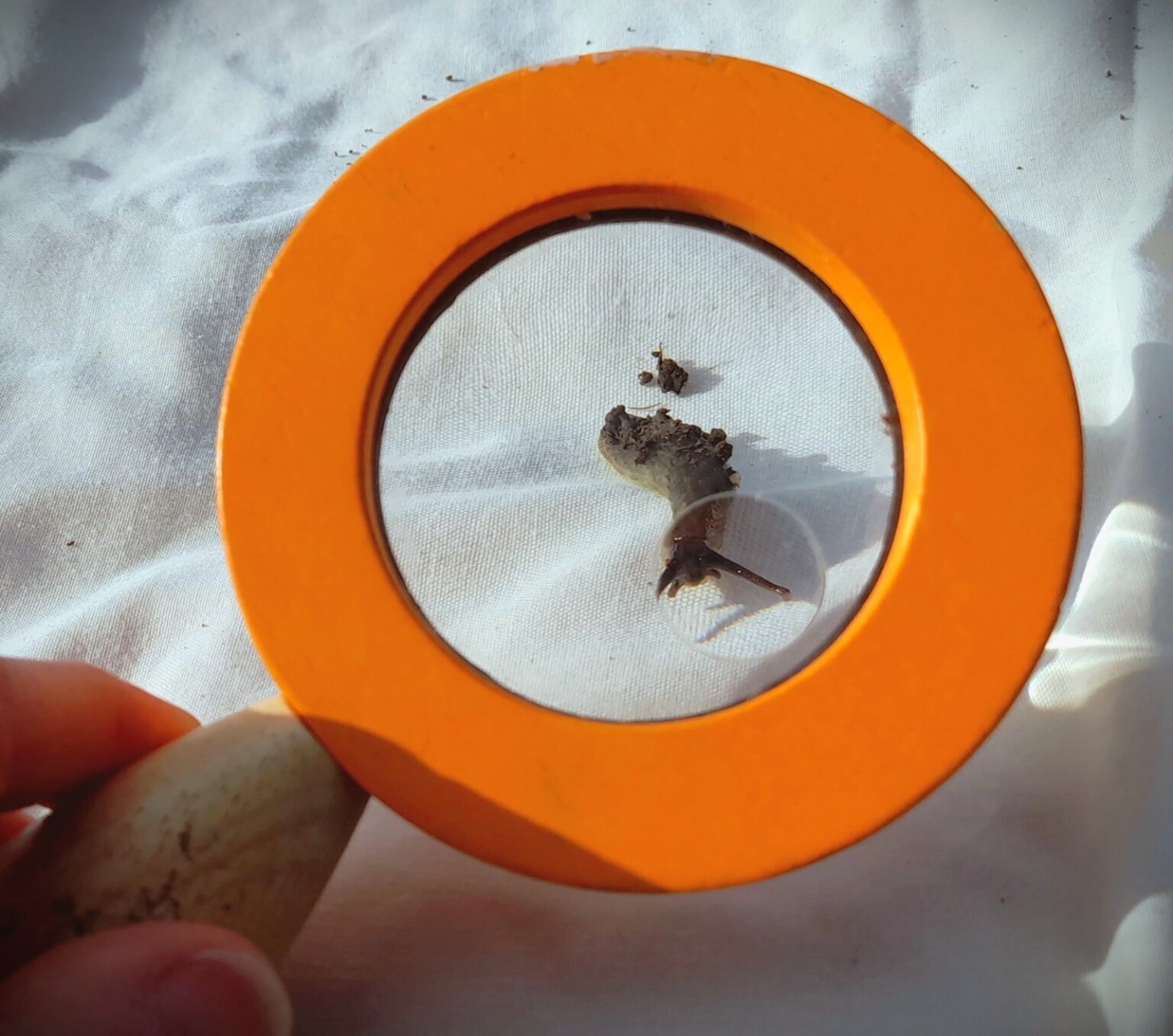
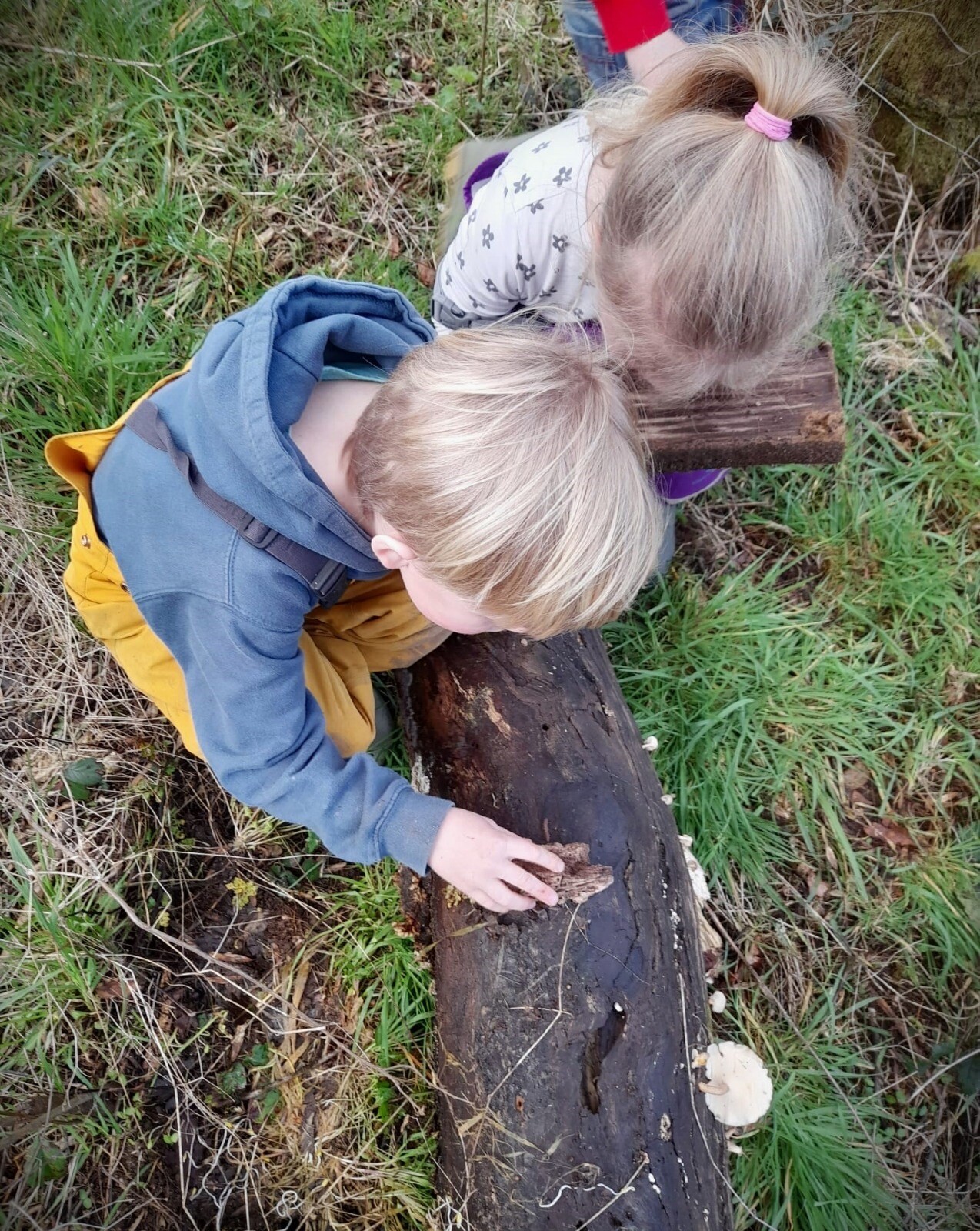
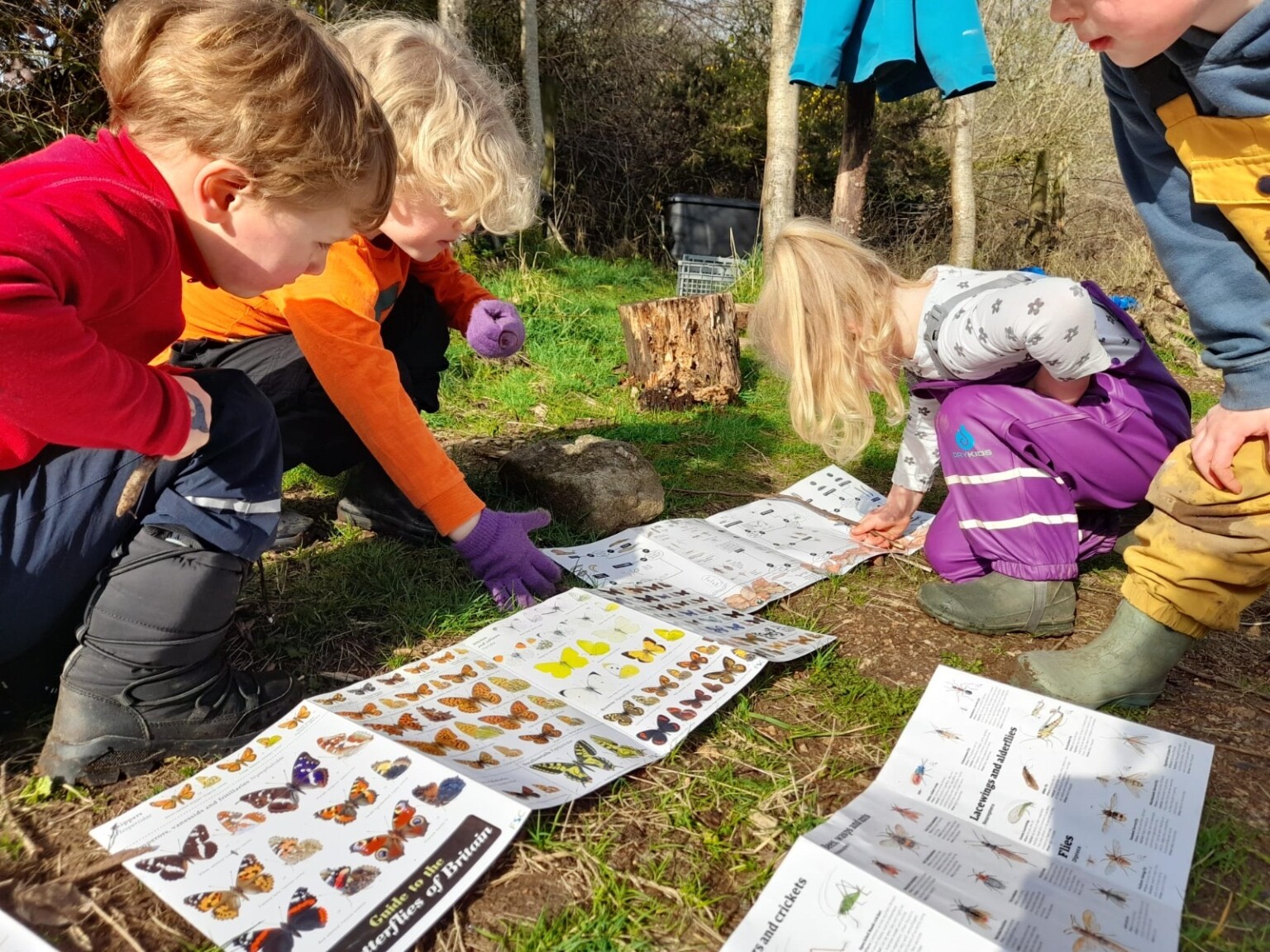
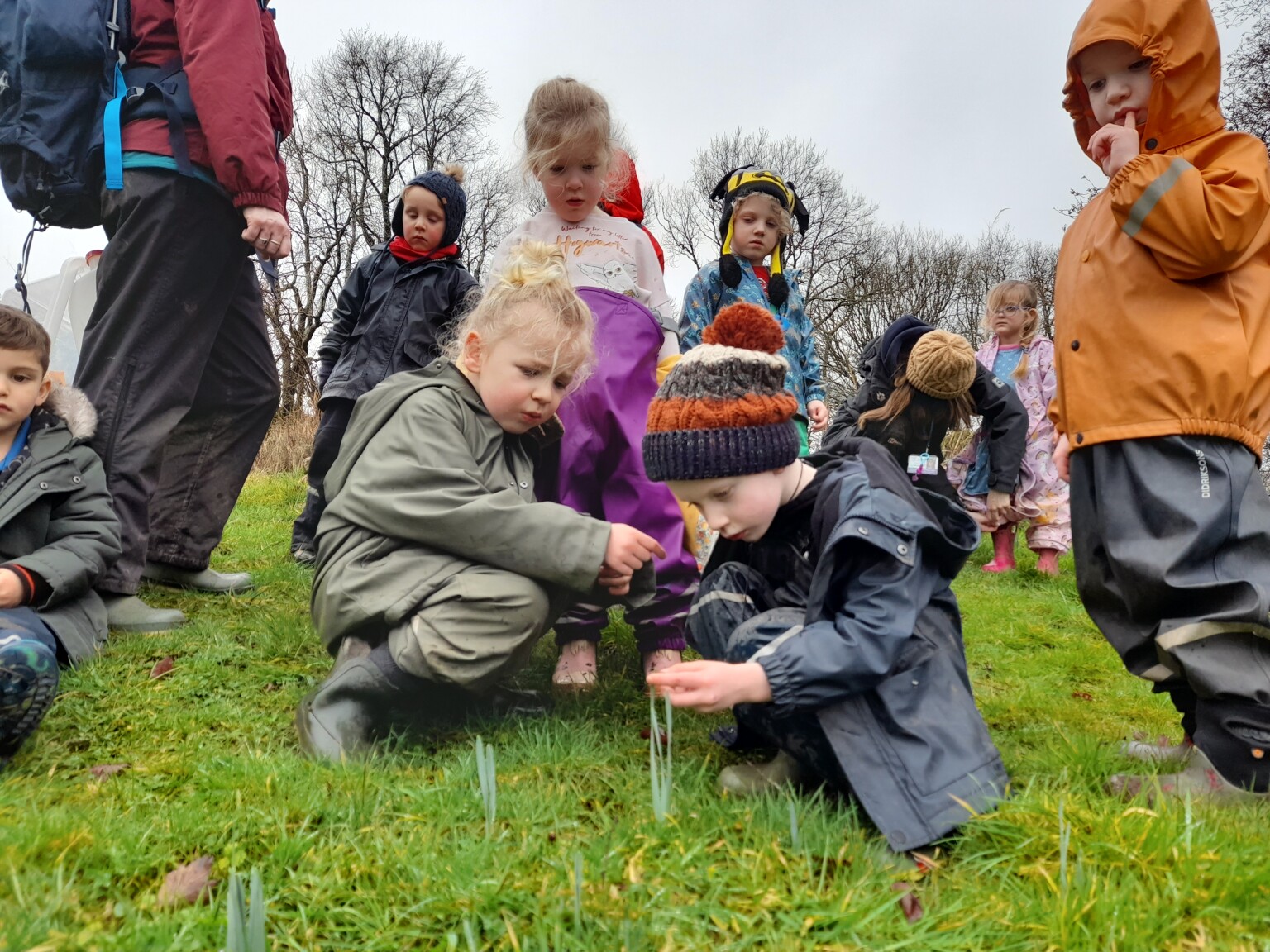
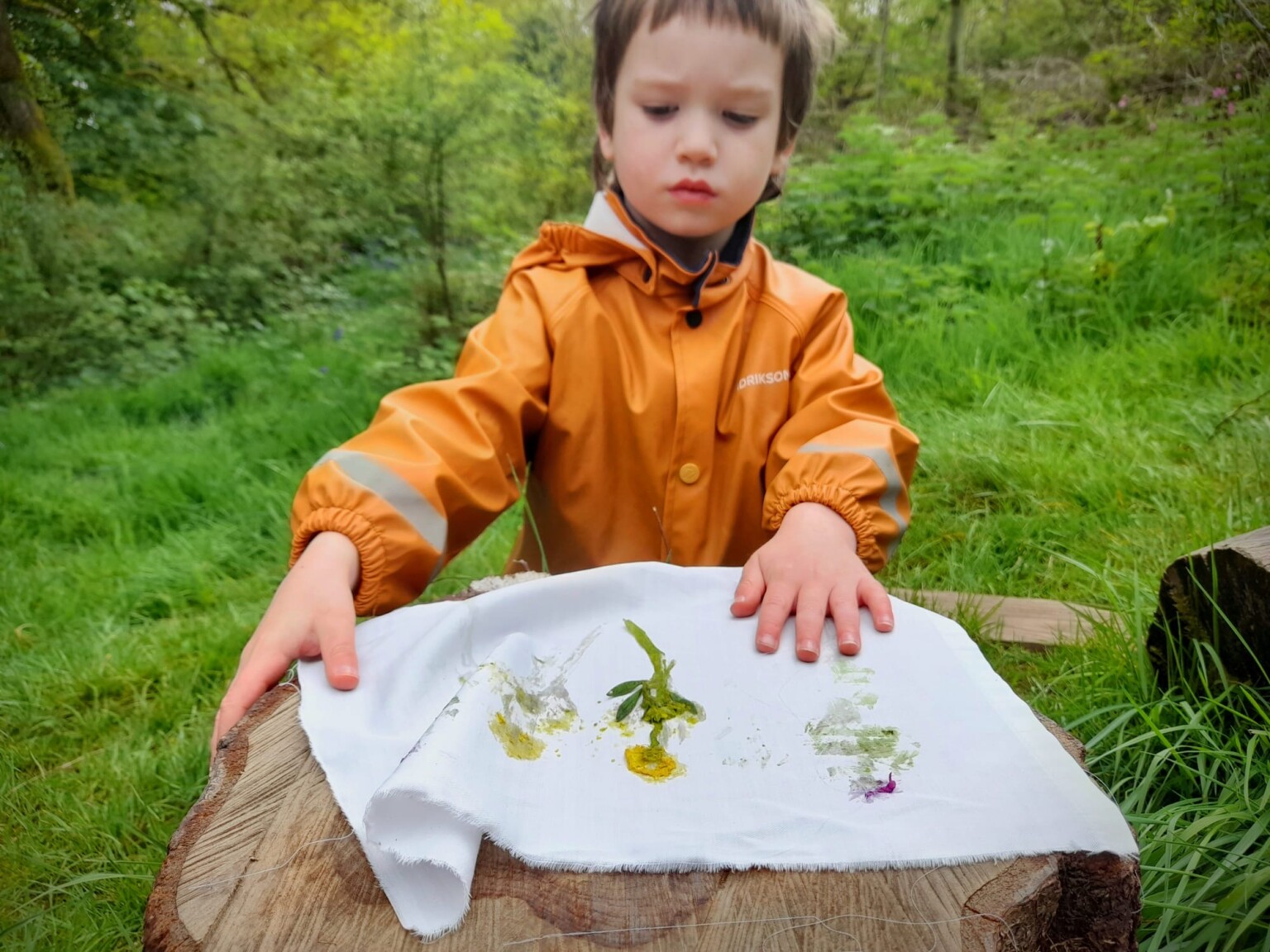
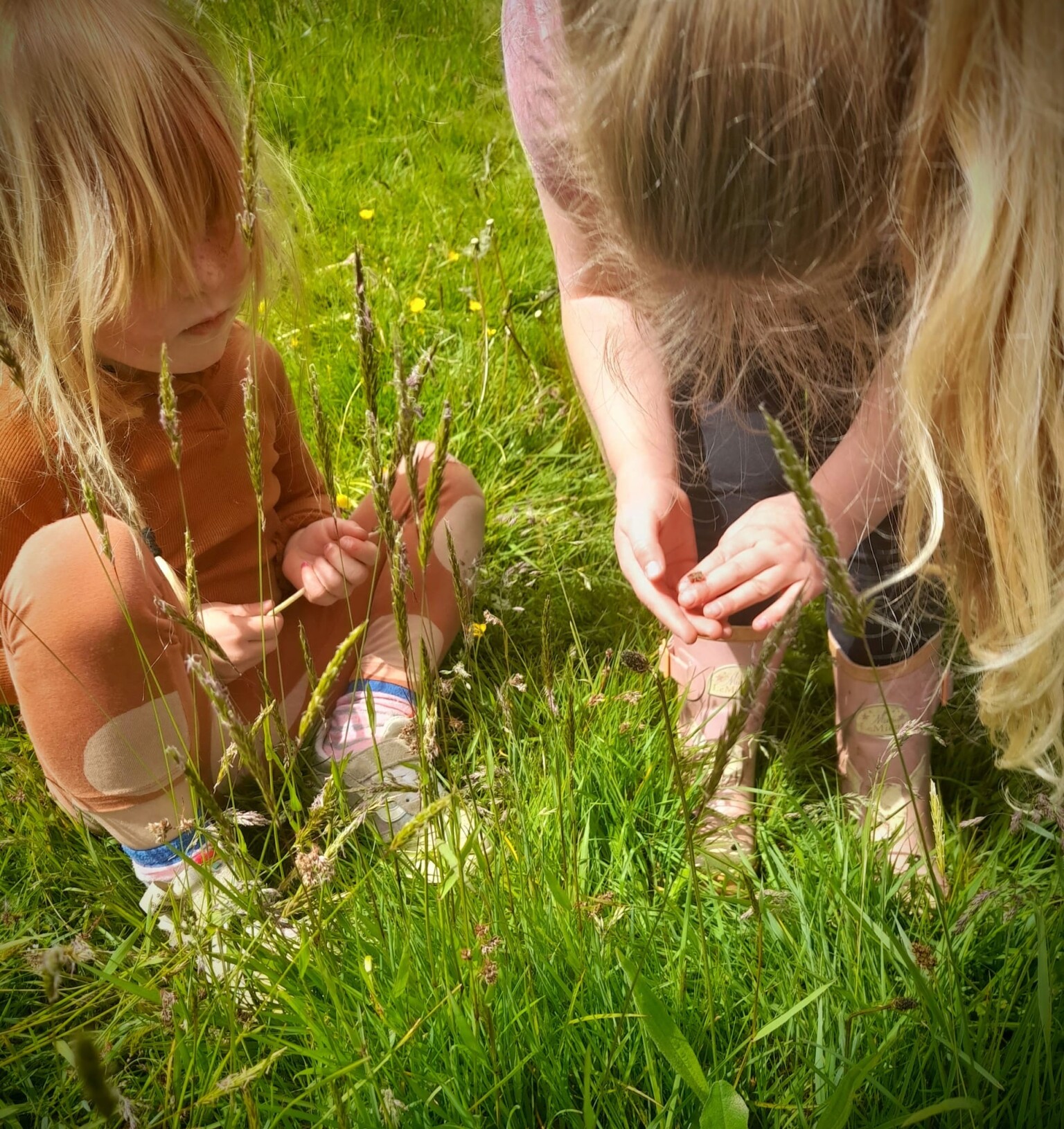
  • Identify plants, animals and seasonal changes
  • Develop resilience, independence and problem-solving skills
  • Work collaboratively and communicate effectively

Our curriculum is carefully sequenced, ensuring that pupils build on prior learning and apply their knowledge with increasing independence as they move through the school. Alongside this, we place a strong emphasis on environmental responsibility, helping children understand how to care for and sustain the natural world.

Forest School also plays an important role in supporting pupils’ wellbeing, confidence and sense of belonging, providing a space where all children can succeed, take risks and feel proud of their achievements.

You can read more about our approach, including our curriculum progression and how we measure impact, in our Forest School Curriculum Overview document. 


Intent (What we want pupils to learn)

“Our aim is for pupils to develop secure knowledge of the natural world, alongside practical outdoor skills like tool use, shelter building and fire safety. Just as importantly, we want them to become resilient, confident and independent learners with a strong sense of responsibility for the environment.”


Implementation (How learning is structured)

“The curriculum is carefully sequenced from EYFS to Year 6, so pupils build progressively on prior learning. For example, they start with basic tool use and simple structures, and over time move towards more complex, independent tasks like constructing shelters or safely managing fire.”

“We balance explicit teaching of key knowledge—like the fire triangle or plant identification—with child-led exploration, so pupils can apply what they’ve learned in a meaningful context.”

“We also revisit key concepts regularly, which helps pupils retain knowledge and use it independently.”


Impact (What pupils gain)

“As a result, we see pupils who can recall and apply their knowledge—for example, explaining fire safety, identifying species, or selecting the right knot for a task.”

“They also show increasing independence, choosing tools and strategies without adult direction, and strong collaboration skills.”


How we know it’s working

“We use low-stakes, observation-based assessment, alongside pupil voice and retrieval in action. Staff make informed professional judgements based on what pupils can do, what they can explain, and how independently they can apply their learning over time.”

Inclusion

“Forest School is particularly powerful for pupils who may find the classroom more challenging—it gives them a space to succeed, build confidence and engage deeply in learning.”


“Overall, it’s a curriculum where pupils learn specific knowledge, revisit it, and apply it with increasing independence in a real environment.”


Progression of Skills at Forest School